

6 October 2026 (Navroze Bureau) A total of 30 dengue cases have been reported in Nagaland’s Dimapur and Chümoukedima districts, prompting health authorities to strengthen surveillance, awareness and preventive measures to control the spread of the mosquito-borne disease.
The reported cases have renewed concerns about dengue transmission in the two districts, particularly as mosquito activity can increase when environmental conditions provide suitable breeding grounds. Health officials are focusing on identifying cases, monitoring affected areas and encouraging residents to take steps to prevent mosquito breeding around homes and other establishments.
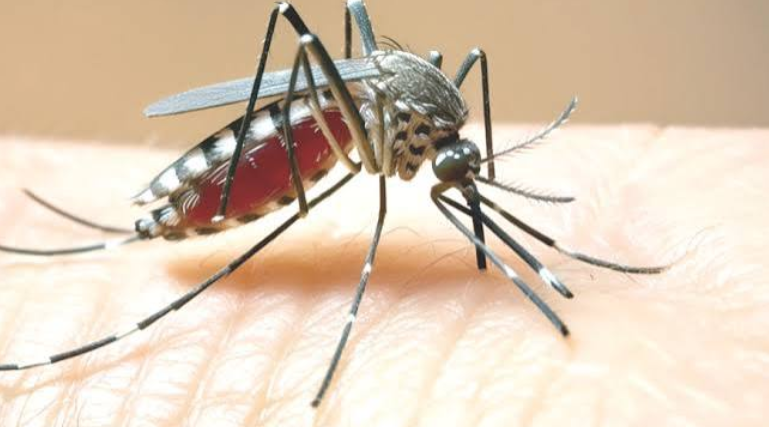
Dengue is a viral infection primarily transmitted through the bite of infected Aedes mosquitoes. These mosquitoes commonly breed in stagnant water collected in containers, discarded tyres, flowerpots, coolers, buckets and other objects that can hold water. Preventing such breeding sites is therefore an important part of controlling transmission.
The emergence of multiple cases in Dimapur and Chümoukedima highlights the importance of early detection and timely medical attention. Common symptoms of dengue include sudden fever, headache, pain behind the eyes, muscle and joint pain, nausea and skin rashes. Symptoms can vary from person to person, and individuals experiencing persistent or high fever should seek medical advice rather than relying on self-medication.
Health authorities generally advise people with suspected dengue to remain alert for warning signs that may indicate severe illness. Severe abdominal pain, persistent vomiting, bleeding, extreme weakness, restlessness or changes in consciousness can require urgent medical assessment.
Public health teams are also expected to emphasize source reduction as part of dengue prevention. Removing stagnant water from residential and commercial areas can reduce the number of places where mosquitoes lay their eggs. Regular cleaning of water-storage containers and proper disposal of items that can collect rainwater are simple but important measures.
Residents can also protect themselves from mosquito bites by using mosquito repellents, wearing clothing that covers the arms and legs and using screens or mosquito nets where appropriate. Since Aedes mosquitoes can bite during the daytime as well as at other times, protection should not be limited only to nighttime hours.
The situation in Dimapur and Chümoukedima also underscores the need for community participation. Dengue control cannot depend entirely on healthcare departments because mosquito breeding can occur in private homes, workplaces and public spaces. Regular cleaning and coordinated sanitation efforts can help reduce transmission.
People are also advised not to ignore symptoms or delay medical consultation. Dengue can initially resemble other viral illnesses, making professional assessment important when symptoms persist or become severe. Doctors may recommend blood tests and monitoring based on the patient’s symptoms and clinical condition.
Another important concern during dengue outbreaks is inappropriate medicine use. Patients should consult healthcare professionals before taking medicines for fever or pain, particularly because some commonly used medicines can increase bleeding risk in people with dengue. Adequate fluids and medical monitoring may be recommended depending on the patient’s condition.
The reported 30 cases serve as a reminder that mosquito-borne diseases can quickly become a community health concern when preventive measures are inadequate. Continued surveillance, timely testing, public awareness and elimination of mosquito breeding sites remain key components of dengue control.
With health authorities monitoring the situation, residents of Dimapur and Chümoukedima are being urged to remain cautious and support prevention efforts. Maintaining clean surroundings, eliminating stagnant water and seeking medical attention for concerning symptoms can help reduce the health impact of dengue.
The development also highlights the importance of sustained dengue prevention rather than relying only on emergency measures after cases appear. Regular inspections, sanitation drives and community awareness can play a significant role in reducing mosquito populations and limiting the spread of the disease.