

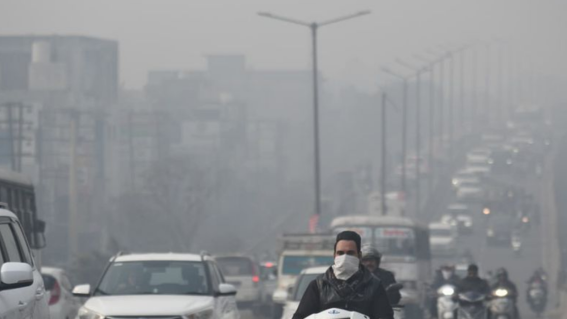
December 12, 2025 (Navroze Bureau) ; North India continues to experience a severe spell of winter chill as cold weather conditions tighten their grip over Punjab and Haryana. Over the past several days, both states have witnessed a sharp drop in minimum temperatures, dense fog, and biting winds, disrupting daily life and affecting transportation, agriculture, and public health.
Meteorological data indicates that the cold wave is likely to persist due to uninterrupted northwesterly winds blowing from snow-covered Himalayan regions. These icy winds have dragged temperatures significantly below normal at several locations, making December one of the coldest in recent years for the region.
Temperatures Fall Significantly Across Both States
In Punjab, cities including Amritsar, Ludhiana, Bathinda, and Gurdaspur recorded minimum temperatures between 3°C and 6°C, with Amritsar experiencing one of the lowest readings of the season so far. Chandigarh, the shared capital of both Punjab and Haryana, also reported a chilly 6–7°C overnight minimum.
Haryana, too, has been reeling under similar conditions. Hisar, Karnal, Sirsa, Gurgaon, and Rohtak all witnessed temperatures ranging from 4°C to 8°C, with Hisar remaining one of the coldest districts in the state. The bone-chilling winds during the late evening and early morning hours have further intensified discomfort.
Weather experts warn that the cold wave category—declared when minimum temperatures fall 4.5°C or more below normal—is likely to continue for at least the next two days.
Dense Fog Reduces Visibility, Affects Transportation
In addition to the cold wave, dense fog has become a major challenge for residents. Early morning and late-night fog has brought visibility down to 50–100 metres in several pockets, especially in western Punjab and central Haryana.
This has had a domino effect on transportation:
- Road travel has become difficult, with vehicles forced to move at slow speeds.
- Train services on several northern routes have been delayed by 1–5 hours due to poor visibility.
- Flight operations at Chandigarh Airport experienced temporary disruptions, with at least a few delays reported due to low visibility conditions early in the day.
Authorities have advised drivers to use fog lights, avoid late-night travel, and remain cautious on highways, where fog intensity is often higher.
Impact on Daily Life
The sudden plunge in temperatures has led residents to turn to heavy woollens, heaters, and indoor arrangements to stay warm. Schools in many districts have issued guidelines to ensure student safety, including adjustments to morning assembly timings and uniform relaxations.
Street vendors, outdoor workers, and the homeless population have been among the hardest hit. Several NGOs and local administrations have stepped up by distributing blankets, quilts, and warm clothing to vulnerable groups.
In agricultural areas, farmers are especially concerned about the impact of frost and cold winds on crops such as wheat, mustard, and vegetables. Experts have advised farmers to avoid irrigation during late evenings or early mornings when temperatures are at their lowest, as this increases the risk of frost damage.
Health Concerns Rise Amid Cold Spell
Doctors have reported an increase in seasonal illnesses such as:
- Cough, cold, and fever
- Respiratory infections
- Asthma flare-ups
- Joint pain
- Hypothermia among elderly and infants
Residents are advised to maintain adequate hydration, use warm clothing, and seek medical attention if symptoms worsen. People with chronic conditions such as diabetes, heart issues, or respiratory diseases are especially vulnerable and urged to remain indoors during peak cold hours.
Authorities Issue Cold Wave and Fog Alerts
The Meteorological Department has issued a yellow alert for cold wave conditions across various districts of Punjab and Haryana. In addition, a dense fog advisory has been issued for the next two mornings, with visibility expected to remain very low.
Local administrations have put winter management plans into action:
- Night shelters have been opened and strengthened in major cities.
- Police patrol vehicles are distributing blankets during night rounds.
- Highway authorities have issued safety advisories and installed additional reflectors along fog-prone stretches.
- Schools have been advised to ensure students wear adequate warm clothing.
What to Expect in the Coming Days
Weather agencies predict that the current cold wave will persist until the next western disturbance brings slight relief. Minimum temperatures are expected to remain low, while daytime temperatures may see marginal improvement due to clearer skies.
Fog intensity is likely to vary, with dense fog expected during early mornings and late nights. A gradual rise in temperature may occur later in the month, but for now, residents must brace for more chilly days.
Conclusion
Punjab and Haryana continue to remain under the grip of a strong winter wave marked by plunging temperatures, dense fog, and increased health risks. As weather conditions remain harsh, authorities and residents alike are taking necessary precautions to ensure safety and comfort. The next few days will remain critical as the cold wave persists across major cities and rural districts in both states.
Summary
Cold wave conditions intensify across Punjab and Haryana, with temperatures dropping sharply and dense fog affecting visibility. Transport disruptions, health concerns, and agricultural worries rise as the chill continues.