

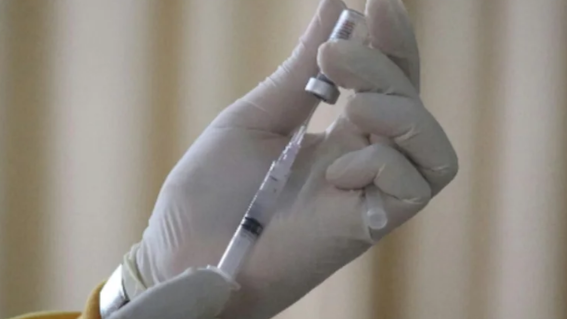
December 12, 2025 (Navroze Bureau) ; The World Health Organization (WHO) has categorically denied claims circulating online that suggest a link between childhood vaccines and autism, after reports falsely attributed such findings to the U.S. Centers for Disease Control and Prevention (CDC). The misinformation spread rapidly on social media platforms, prompting global health bodies to issue clarifications to prevent public panic and protect confidence in routine immunisation.
According to WHO, the narrative claiming that the CDC recently acknowledged a connection between vaccines and autism is “completely inaccurate” and “unsupported by scientific evidence.” The organisation reiterated that decades of research involving millions of children worldwide have found no association between vaccines—including the MMR (Measles, Mumps, Rubella) vaccine—and autism spectrum disorders.
How the Misinformation Started
The claims surfaced following a misinterpreted reading of historical CDC data, combined with misleading commentary that went viral on social platforms. Several posts alleged that CDC studies had reclassified certain vaccine side effects as autism-related symptoms. However, both WHO and CDC clarified that no such reclassification had taken place and that none of their documents or research supported such a correlation.
Experts noted that misinformation around autism and vaccines often resurfaces during periods of heightened public health concerns. In this instance, the misinformation gained traction as vaccine programs expanded across countries to increase coverage of measles and other preventable diseases.
WHO’s Strong Statement
In its official clarification, WHO reaffirmed that vaccines remain one of the safest and most effective tools in public health, preventing millions of deaths every year. It emphasised that:
- Autism is a complex neurodevelopmental condition with no single known cause.
- Early claims linking vaccines to autism were based on a discredited and retracted study from the late 1990s.
- Extensive independent research has repeatedly shown no causal link between vaccines and autism.
The WHO urged parents to rely on guidance from trusted health authorities rather than unverified social media posts.
CDC’s Clarification
The CDC also dismissed the circulating claims, calling them “false, misleading, and dangerous.” According to the agency, none of its recent or past reviews have indicated any increased autism risk from any of the standard childhood vaccines.
The CDC explained that vaccine monitoring systems are designed to detect any potential adverse outcomes, but autism has never emerged as a vaccine-related risk. They further emphasised that autism diagnoses are rising primarily due to improved awareness, expanded diagnostic criteria, and better access to developmental assessments.
The Science Behind Vaccine Safety
Research into vaccine safety is rigorous and ongoing. Multiple large-scale studies conducted in the United States, Europe, and Asia have all reached the same conclusion: vaccines do not cause autism.
Some key scientific points that WHO and CDC reiterated include:
- The MMR vaccine contains no components known to affect brain development.
- Thimerosal, a preservative wrongly linked to autism, has been removed from childhood vaccines for decades, yet autism rates have not decreased.
- Genetic factors are among the strongest predictors of autism, not vaccines.
- Environmental influences under investigation have no relation to routine immunisation.
Health experts emphasise that confusion often arises when unrelated timelines overlap—for example, many vaccinations occur at the same age when early autism signs naturally begin to appear. This coincidence has contributed to persistent public misunderstanding.
Why This Misinformation is Harmful
False claims linking vaccines to autism can have serious public health consequences. Such misinformation risks undermining vaccination programs, which rely on strong public trust and high participation rates to be effective.
Lower vaccination coverage can lead to:
- Outbreaks of vaccine-preventable diseases
- Increased hospitalisations and fatalities, especially among children
- Reversal of decades of global health progress
- Spread of preventable diseases across borders
The resurgence of measles in several countries in recent years has been partly attributed to declining vaccination rates, driven in part by online misinformation campaigns.
Global Experts Call for Responsible Information Sharing
Public health authorities have urged social media platforms, content creators, and influencers to verify claims before sharing them. Experts stress that misleading narratives can spread faster than official corrections, making it essential for credible information to be prioritised.
Parents and communities are encouraged to consult pediatricians, government health departments, WHO guidelines, and verified medical sources when seeking information about vaccines or child development.
Parents Reassured
In light of the clarification, pediatric associations have reassured parents that licensed vaccines continue to undergo strict testing and safety monitoring. They emphasize that avoiding vaccines exposes children to far greater risks than any rare side effects.
With strong reaffirmations from WHO and CDC, global health organizations hope that the renewed wave of misinformation can be curbed before it affects vaccination efforts worldwide.
Summary
WHO has strongly refuted false claims suggesting vaccines cause autism, clarifying that no CDC data supports such claims and reaffirming that decades of research show vaccines are safe and not linked to autism.