

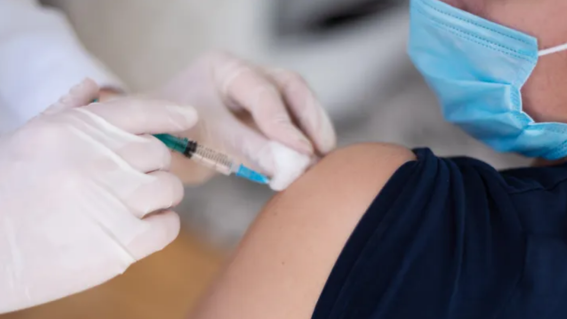
13 January 2026: Insights gained from public resistance to COVID-19 vaccines are proving invaluable for shaping the future of global vaccination campaigns. Public health experts believe that understanding why millions of people delayed or refused vaccination during the pandemic can help governments and healthcare systems design more effective strategies for future outbreaks and routine immunisation programmes.
The COVID-19 pandemic marked one of the largest vaccination efforts in human history. While billions of people accepted vaccines, a significant proportion remained hesitant. This hesitancy affected the pace of immunisation, prolonged outbreaks in certain regions, and highlighted deep-rooted issues of trust, communication, and misinformation in modern societies.
What Is Vaccine Hesitancy?
Vaccine hesitancy refers to delay in acceptance or refusal of vaccines despite availability of vaccination services. It is influenced by multiple factors, including concerns about safety, lack of trust in institutions, cultural beliefs, misinformation, and personal experiences.
During the COVID-19 rollout, hesitancy was not limited to any single country or community. It was observed across age groups, income levels, and education backgrounds, making it a complex challenge rather than a simple issue of awareness.
Public health researchers now view this period as a critical learning opportunity.
The Role of Trust
One of the most important lessons from the pandemic is the central role of trust. People were more likely to accept vaccines when they trusted healthcare professionals, scientific institutions, and government authorities.
Where trust was weak, skepticism flourished. Conflicting messages from leaders, frequent policy changes, and lack of transparency created confusion. In some communities, historical experiences of neglect or discrimination led to deeper mistrust of medical systems.
Experts say future vaccination campaigns must prioritize relationship-building with communities long before a crisis occurs.
Impact of Misinformation
The rapid spread of misinformation through social media platforms significantly fueled vaccine hesitancy. False claims about side effects, conspiracy theories, and misleading statistics reached millions of people within minutes, often spreading faster than accurate public health information.
Many individuals reported feeling overwhelmed by conflicting information and struggled to distinguish credible sources from unreliable ones. This confusion led some to delay vaccination or reject it entirely.
Health communication specialists argue that future strategies must include stronger digital literacy campaigns and proactive countering of misinformation before it takes root.
Importance of Clear Communication
Another major lesson is the need for clear, consistent, and empathetic communication. During the COVID-19 rollout, scientific guidance evolved as new evidence emerged. While this is a normal part of science, frequent changes in messaging sometimes reduced public confidence.
People responded more positively when authorities acknowledged uncertainty, explained decisions transparently, and used simple, relatable language rather than technical jargon.
Experts recommend that future campaigns focus on storytelling, community voices, and two-way communication rather than one-directional announcements.
Cultural and Social Influences
Vaccine attitudes are often shaped by cultural values, religious beliefs, and social environments. In some communities, decisions were strongly influenced by family opinions, local leaders, or social networks rather than official guidelines.
Studies have shown that when respected community figures such as teachers, religious leaders, or local health workers actively supported vaccination, acceptance rates improved significantly.
This highlights the importance of involving local influencers in health campaigns rather than relying solely on national-level messaging.
Access and Convenience Matter
Hesitancy was not always ideological. In many cases, practical barriers such as distance to vaccination centers, inflexible work schedules, lack of transportation, or difficulty navigating online booking systems contributed to low uptake.
People were more likely to get vaccinated when services were convenient, such as mobile vaccination units, workplace clinics, and walk-in centers.
Future vaccination strategies are expected to focus more on accessibility, making it easier for people to choose vaccination without logistical stress.
Learning from Younger Populations
Vaccine hesitancy among younger age groups revealed unique challenges. Many young adults believed they were at low risk from COVID-19 and therefore saw little personal benefit in vaccination.
This highlighted the need for tailored messaging that connects public health actions to values such as protecting family members, maintaining social freedoms, and contributing to community wellbeing.
Public health experts now emphasize that one-size-fits-all messaging is ineffective in diverse populations.
Building Long-Term Vaccine Confidence
Rather than addressing hesitancy only during crises, health professionals argue that vaccine confidence must be built continuously. Education about how vaccines work, their benefits, and their safety should begin in schools and continue through community engagement.
When people grow up with a strong understanding of science and healthcare, they are more likely to make informed decisions during emergencies.
Governments are increasingly considering long-term public health education as a critical investment rather than an optional addition.
Implications for Future Pandemics
The world will likely face future pandemics, and rapid vaccine development will again be a key defense. The success of those efforts will depend not only on scientific breakthroughs but also on public cooperation.
If lessons from COVID-19 hesitancy are applied effectively, future vaccine rollouts could achieve faster coverage, reduce preventable deaths, and minimize social disruption.
Public health systems are now rethinking how they engage with communities, train communicators, and monitor public sentiment in real time.
Conclusion
The experience of COVID-19 vaccine hesitancy has revealed that vaccination is as much a social challenge as it is a medical one. Trust, communication, cultural sensitivity, accessibility, and education all play critical roles in shaping public response.
By learning from these insights, governments and healthcare systems have an opportunity to design smarter, more inclusive, and more effective vaccination strategies. The lessons of the pandemic may ultimately strengthen global preparedness for future health crises.
Summary
Understanding why people hesitated to take COVID-19 vaccines is helping experts design better communication, trust-building, and access strategies, improving preparedness for future vaccination campaigns and global public health responses.