

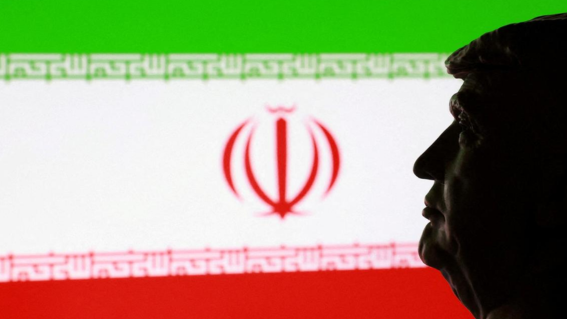
13 January 2026: The latest tariff warning by former US President Donald Trump targeting countries that continue trade relations with Iran has triggered global attention. However, economic experts and market observers believe that the overall impact on India will remain limited due to the nature and size of India’s trade relationship with Tehran.
Trump has announced that any country doing business with Iran could face an additional 25 percent tariff on exports to the United States. The statement, aimed at increasing pressure on Iran, has once again highlighted how geopolitical tensions can influence international trade. While several countries with strong commercial ties to Iran may face uncertainty, India’s position appears relatively insulated.
India–Iran Trade Is Already Limited
One of the main reasons the impact on India is expected to be minimal is the modest volume of bilateral trade between the two nations. Over the past few years, India has significantly reduced its economic engagement with Iran due to international sanctions and payment-related challenges. Oil imports from Iran, which once formed a large part of India’s energy basket, have already been reduced to near zero.
Currently, India’s trade with Iran is concentrated mainly in non-sanctioned goods such as agricultural products, medicines, and essential commodities. Indian exports to Iran largely include basmati rice, tea, sugar, pharmaceuticals, and some industrial goods. Imports from Iran consist of dry fruits, chemicals, and limited quantities of raw materials. Since these fall under permitted or humanitarian categories, the risk of direct disruption remains relatively low.
Compliance with International Sanctions Provides Cushion
Indian businesses and financial institutions have spent years adapting to strict international sanction frameworks. Most trade with Iran is structured carefully to avoid violations of global financial regulations. This cautious approach has created a built-in safeguard for Indian exporters.
Because much of India’s Iran-linked trade already operates under scrutiny, the new tariff threat does not significantly alter existing practices. Companies dealing with Iran have already adjusted supply chains, payment mechanisms, and risk management systems. As a result, there is limited exposure to sudden policy shifts.
Markets Remain Calm
Indian stock markets and currency movements have not shown major volatility following the announcement. Investors appear confident that India’s broader economic fundamentals and diversified trade partnerships will prevent any serious damage.
Market analysts suggest that the tariff threat is more of a geopolitical signal than an immediately enforceable economic policy. Without clear legal mechanisms or implementation timelines, global markets are treating the statement cautiously rather than reacting with panic.
Sectors That May See Mild Impact
Although the overall impact is expected to be limited, some sectors could experience indirect effects.
Basmati rice exporters, who consider Iran an important destination, may face challenges related to payments and logistics if banking restrictions increase further. Any tightening in financial channels could make transactions slower and more expensive.
Pharmaceutical exporters could also face procedural hurdles, even though medicines are generally classified as essential goods. Increased scrutiny and documentation requirements could affect delivery timelines.
However, experts believe these issues would be temporary and manageable rather than disruptive to the larger economy.
Strategic Importance of Iran for India Remains
Beyond trade, India’s relationship with Iran has long-term strategic importance, especially in terms of regional connectivity and energy security. Projects linked to connectivity corridors and access to Central Asia remain important for India’s foreign policy.
At the same time, New Delhi has consistently balanced its diplomacy to protect relations with the United States while maintaining strategic autonomy. India’s approach has focused on compliance with international law while safeguarding national economic interests.
The current situation is expected to reinforce India’s cautious approach rather than force any drastic policy change.
Political and Economic Balancing Act
The tariff warning once again underlines the complexity of modern diplomacy, where trade, politics, and security are deeply interconnected. India is likely to continue its strategy of maintaining diversified global partnerships, reducing overdependence on any single region, and protecting its economic stability.
Trade experts believe that India’s strong domestic market, growing exports to alternative destinations, and robust service sector will help cushion any external shocks arising from geopolitical developments.
Conclusion
While Trump’s tariff warning has created headlines worldwide, its practical impact on India appears limited. With modest trade exposure to Iran, strong compliance mechanisms, and diversified global trade links, India is not expected to face significant economic disruption.
For policymakers and businesses, the focus remains on vigilance rather than alarm. As long as India continues its balanced approach to diplomacy and trade, the country is well-positioned to absorb external uncertainties and protect its long-term economic interests.
Summary
Trump’s tariff threat against countries trading with Iran is unlikely to significantly impact India due to limited bilateral trade, sanctions-compliant exports, and diversified economic ties, though some exporters may face minor indirect challenges.