

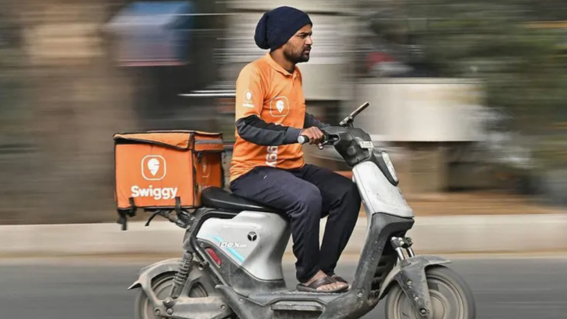
14 January 2026: The Indian government has asked major e-commerce and quick-commerce platforms to discontinue their popular “10-minute delivery” services, citing growing concerns over public safety, worker welfare, and regulatory compliance. The move marks a significant intervention in the fast-growing instant delivery sector, which has transformed urban consumer habits over the past few years.
The directive has sparked widespread debate across industry circles, consumer groups, and labor advocates, as it raises critical questions about the sustainability of hyper-fast delivery models and their real-world consequences.
Why the Government Is Concerned
At the heart of the government’s concern is the pressure such ultra-fast delivery promises place on delivery personnel. Officials have noted that committing to deliveries within 10 minutes often encourages risky behavior on roads, including speeding, traffic violations, and unsafe driving practices.
Road safety authorities have reportedly flagged a rising number of accidents involving delivery riders, especially in congested metropolitan areas. The government believes that while technology and logistics innovation are welcome, they should not come at the cost of human life.
In addition to road safety, labor welfare is another key issue. Many delivery partners work under gig-economy models without fixed salaries, social security benefits, or adequate insurance coverage. The demand for extreme speed can intensify physical and mental stress for workers, raising serious ethical and legal concerns.
Regulatory Gaps in the Quick-Commerce Sector
The rapid rise of instant delivery platforms has outpaced the development of clear regulations. While traditional e-commerce is governed by consumer protection laws, pricing transparency rules, and marketplace guidelines, ultra-fast delivery models have emerged in a grey area.
Officials have expressed concern over whether such services fully comply with labor laws, motor vehicle regulations, and consumer protection standards. There are also questions about whether advertising claims such as “10-minute guaranteed delivery” mislead consumers and promote unrealistic expectations.
The government’s latest instruction is seen as an attempt to slow down the sector long enough for regulators to examine the ecosystem more closely and potentially introduce new guidelines tailored to instant commerce.
The Rise of 10-Minute Delivery Culture
Over the past few years, urban consumers in India have grown accustomed to the convenience of groceries, medicines, and daily essentials arriving at their doorstep within minutes. Several platforms built their brand identity around speed, competing aggressively on delivery timelines rather than pricing alone.
This competition led to the creation of dark stores (small fulfillment centers), sophisticated routing algorithms, and dense delivery networks across major cities. While this innovation generated employment opportunities and improved consumer convenience, it also introduced structural pressure on the delivery workforce.
Many experts have argued that the promise of “10 minutes” is more of a marketing strategy than a genuine necessity, suggesting that consumer behavior can easily adapt to slightly longer but safer delivery windows.
Impact on Businesses and Startups
The government’s direction could significantly impact the business models of quick-commerce companies. Speed has been their key differentiator in a crowded market. If companies are forced to remove ultra-fast delivery guarantees, they may need to shift focus toward reliability, product quality, and customer experience instead.
Startups and investors are also watching the development closely. The quick-commerce sector has attracted heavy venture capital funding in recent years. Any regulatory tightening could influence investor confidence and reshape future funding strategies.
However, some industry leaders believe the move could actually help the sector in the long run by encouraging more sustainable growth rather than aggressive, loss-driven expansion.
Consumer Reaction Is Mixed
Consumers have responded with mixed reactions. Many urban users, particularly working professionals and young families, have come to rely on instant delivery for convenience. For them, the potential end of 10-minute deliveries feels like a step backward.
Others, however, have welcomed the government’s intervention, acknowledging that no grocery item or household product is important enough to justify putting someone’s life at risk on the road.
Social media discussions reveal growing awareness about the working conditions of delivery riders, with many users calling for platforms to prioritize safety over speed.
Worker Welfare Comes Into Focus
Labor advocates argue that the government’s move is long overdue. Delivery workers often face penalties for delayed orders, pressure from algorithms, and customer complaints, all of which intensify when delivery timelines are extremely tight.
Worker unions and advocacy groups have long demanded better insurance coverage, minimum pay guarantees, and safer working conditions for gig workers. The current decision could open the door to broader reforms in how gig-economy platforms operate in India.
What Happens Next?
The government has not indicated a complete ban on quick commerce but has clearly signaled that ultra-fast delivery promises must be reconsidered. Industry observers expect further consultations between regulators and platform representatives in the coming weeks.
Possible outcomes could include:
- Mandatory minimum delivery time windows
- Stronger insurance requirements for delivery workers
- Clearer advertising guidelines
- Better enforcement of traffic and labor laws
- Platform accountability for worker safety
Companies may respond by changing their marketing language, shifting from “10-minute delivery” to more flexible timelines such as 20–30 minutes, while emphasizing consistency rather than speed.
A Turning Point for India’s Digital Economy
This development reflects a broader shift in India’s approach to regulating technology-driven sectors. While innovation and convenience remain priorities, there is increasing recognition that growth must be balanced with responsibility.
The instant delivery boom has demonstrated the power of technology to reshape daily life. Now, regulators appear determined to ensure that this transformation does not come at the expense of safety, fairness, and long-term sustainability.
Conclusion
India’s decision to ask e-commerce platforms to stop promoting 10-minute delivery services marks a critical moment for the quick-commerce industry. It highlights the need to rethink business models that prioritize speed above all else and underscores the importance of protecting workers and public safety.
As platforms, policymakers, and consumers adjust to this new reality, the future of online delivery in India may become less about how fast goods arrive and more about how responsibly the entire ecosystem functions.
Summary
India has asked e-commerce platforms to halt 10-minute delivery services over safety and labor concerns. The move aims to protect delivery workers, reduce road risks, and push the quick-commerce sector toward sustainable practices.