

16 January 2026: The number of people requiring kidney replacement therapy (KRT) is rising steadily across Central and Eastern Europe, drawing growing attention from healthcare professionals, policymakers, and public health researchers. The trend reflects a broader increase in chronic kidney disease (CKD) cases, alongside demographic changes, lifestyle factors, and improvements in diagnosis and access to treatment.
Kidney replacement therapy, which includes dialysis and kidney transplantation, is typically required when the kidneys lose most of their function. Once considered a relatively rare intervention, KRT has become increasingly common as more patients survive long enough to reach advanced stages of kidney disease. Improved healthcare systems, better diagnostic tools, and expanded treatment availability have played a role in this growth, but the rising burden also signals deeper public health challenges.
One of the key drivers behind the increase is the growing prevalence of chronic diseases such as diabetes and hypertension. These two conditions are among the leading causes of chronic kidney disease worldwide. Across Central and Eastern Europe, changing lifestyles, reduced physical activity, unhealthy diets, smoking, and rising obesity levels have contributed to a higher incidence of these risk factors. As a result, more individuals are developing kidney damage over time, often without noticeable symptoms in the early stages.
An aging population is another significant factor. Many countries in the region are experiencing demographic shifts, with a growing proportion of elderly citizens. Since kidney function naturally declines with age, older populations tend to have higher rates of CKD. As life expectancy increases due to better medical care, more people live long enough to develop advanced kidney disease, thereby increasing the demand for dialysis and transplant services.
Healthcare experts also note that better detection and diagnosis have contributed to the rise in reported cases. In the past, many patients with kidney disease remained undiagnosed until very late stages. Today, greater awareness among doctors, improved screening programs, and more widespread use of routine blood and urine tests mean that more cases are being identified and managed. While this is a positive development, it also places additional pressure on healthcare systems.
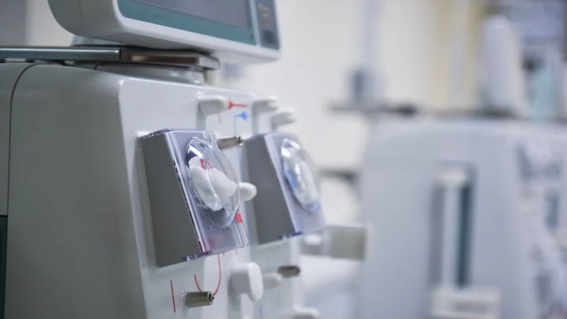
The growing demand for dialysis services has created both opportunities and challenges. On the positive side, several countries in Central and Eastern Europe have expanded their dialysis networks, increasing the number of treatment centers and improving geographical access. This has allowed more patients, including those in rural areas, to receive life-saving therapy. However, the expansion comes with high financial costs. Dialysis is an expensive, long-term treatment that requires specialized equipment, trained staff, and continuous monitoring.
Kidney transplantation, widely considered the most effective long-term treatment for end-stage kidney disease, remains unevenly available across the region. While some countries have developed strong transplant programs, others continue to struggle with organ shortages, limited infrastructure, and insufficient public awareness about organ donation. Experts believe that strengthening transplant systems and encouraging ethical organ donation could significantly reduce long-term healthcare costs while improving patient outcomes.
The rising KRT burden is also prompting renewed focus on prevention strategies. Public health specialists emphasize that many cases of chronic kidney disease can be delayed or even prevented through early intervention. Promoting healthier lifestyles, improving management of diabetes and blood pressure, reducing salt intake, encouraging physical activity, and increasing public awareness about kidney health are seen as critical steps.
Education plays a vital role in this effort. Many patients remain unaware that they have kidney disease until it becomes severe. Health campaigns encouraging regular health check-ups, especially for high-risk groups, could help detect problems earlier and reduce the number of people progressing to end-stage kidney failure.
The economic impact of rising kidney replacement therapy is also significant. Governments must allocate substantial portions of healthcare budgets to support dialysis programs, medication costs, and transplant services. For lower- and middle-income countries within Central and Eastern Europe, this growing burden can strain already limited healthcare resources. Policymakers are increasingly being urged to invest more in preventive healthcare, which could reduce long-term costs while improving population health.
Despite the challenges, experts remain cautiously optimistic. Advances in medical technology, including improved dialysis techniques, better immunosuppressive drugs for transplant patients, and emerging research in regenerative medicine, offer hope for more effective treatments in the future. Digital health tools and telemedicine are also being explored as ways to improve patient monitoring and care, particularly in underserved regions.
The rising trend in kidney replacement therapy is a reminder of the interconnected nature of modern health challenges. It highlights the need for coordinated efforts involving governments, healthcare systems, medical professionals, and communities. Addressing the root causes of kidney disease, improving access to early diagnosis, and strengthening treatment infrastructure will be essential to managing this growing public health issue across Central and Eastern Europe.
Summary
Kidney replacement therapy is rising across Central and Eastern Europe due to aging populations, higher rates of diabetes and hypertension, and improved diagnosis, highlighting the urgent need for stronger prevention strategies and healthcare investment.