

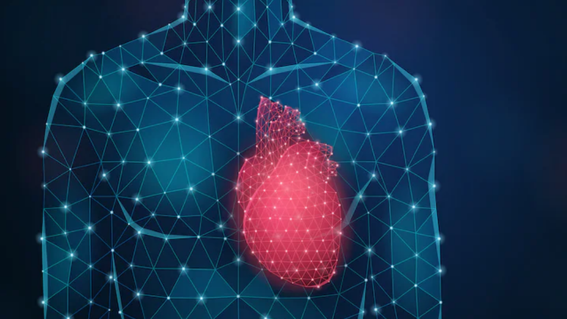
20 January 2026: In a discovery that could transform the future of cardiac treatment, a new scientific study suggests that the human heart has the ability to regenerate muscle cells after a heart attack, challenging the long-held belief that heart tissue cannot repair itself. The findings offer renewed hope for millions of people living with heart disease worldwide.
For decades, medical science has operated under the assumption that once heart muscle cells—known as cardiomyocytes—are damaged or destroyed during a heart attack, they are gone permanently. This damage often leads to reduced heart function and, in severe cases, heart failure. However, the latest research indicates that the heart may possess a previously underestimated capacity for self-repair.
What the Study Reveals
Researchers analyzed heart tissue samples from patients who had suffered heart attacks and compared them with healthy heart tissue. Using advanced techniques such as cellular labeling, genetic analysis, and high-resolution imaging, they found evidence that new cardiomyocytes were being formed even after injury.
The study suggests that while the regeneration process is slow and limited, it is nonetheless real and measurable. Scientists observed that certain heart cells appear capable of re-entering the cell cycle and dividing, contributing to the formation of new muscle tissue in damaged areas.
This finding overturns decades of conventional wisdom and opens the door to a new understanding of how the heart responds to injury.
Why This Discovery Matters
Heart disease remains the leading cause of death globally, with heart attacks accounting for a significant portion of these fatalities. Survivors of heart attacks often experience long-term complications because scar tissue replaces damaged heart muscle, reducing the heart’s ability to pump blood efficiently.
If scientists can find ways to enhance the heart’s natural regenerative process, it could revolutionize treatment. Instead of focusing solely on preventing further damage, future therapies might aim to actively repair and rebuild heart tissue.
Experts believe this could lead to the development of drugs, gene therapies, or regenerative techniques that stimulate the heart to produce more muscle cells after injury.
The Biology Behind Heart Regeneration
The human heart’s regenerative ability appears to be linked to a small population of cells that retain some capacity for growth and division. These include immature cardiomyocytes and possibly cardiac stem-like cells that become more active following injury.
Researchers also believe that certain molecular signals are triggered after a heart attack, sending a message to surviving cells to initiate repair. Understanding these signals is now a key focus of ongoing research. By decoding these biological pathways, scientists hope to design therapies that can amplify the heart’s healing response.
Comparisons With Other Species
Interestingly, the idea of heart regeneration is not entirely new in the animal kingdom. Species such as zebrafish and salamanders are known to regenerate significant portions of their heart tissue after injury. The new findings suggest that humans may share some of this regenerative capability, albeit to a much smaller degree.
This connection has encouraged scientists to study regenerative species more closely, searching for genetic or molecular clues that could be applied to human medicine.
Potential Impact on Future Treatments
The implications of this discovery are vast. If researchers can harness and boost the heart’s natural repair mechanisms, it could lead to:
- Regenerative drugs that stimulate cardiomyocyte growth
- Gene therapies targeting pathways involved in cell renewal
- Stem-cell-based approaches that support tissue repair
- Reduced dependence on invasive procedures such as heart transplants
- Improved quality of life for heart attack survivors
Such advancements could dramatically reduce the burden of chronic heart failure, a condition that currently affects millions of people and places enormous strain on healthcare systems worldwide.
Caution and the Road Ahead
While the findings are promising, scientists caution that this is still early-stage research. The natural regeneration observed in the study is modest and not sufficient on its own to fully repair severe heart damage. More research is needed to understand how the process works and how it can be safely enhanced.
Clinical applications may still be years away, as researchers must ensure that stimulating heart cell growth does not lead to unintended consequences, such as abnormal heart rhythms or uncontrolled cell growth.
Nevertheless, experts agree that this discovery represents a major step forward in cardiovascular science. It shifts the narrative from managing irreversible damage to exploring the possibility of true healing.
A New Era in Cardiac Medicine
The idea that the heart can heal itself—even to a limited extent—offers new hope for patients and doctors alike. It also highlights the growing power of modern medical research, where advanced technologies are allowing scientists to observe and understand biological processes that were once impossible to detect.
As research progresses, the dream of helping the heart regenerate after injury may move from scientific theory to clinical reality.
For millions affected by heart disease, this breakthrough represents not just scientific progress, but the promise of longer, healthier lives.
Summary
A new study shows the human heart can regenerate muscle cells after a heart attack, challenging long-standing beliefs and opening possibilities for regenerative therapies that could improve recovery and outcomes for cardiac patients.