

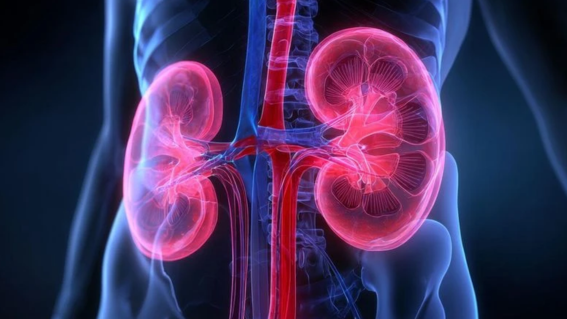
20 January 2026: Scientists are increasingly uncovering the complex biological links between the gut, liver, and kidneys, and new research suggests that altered bile acids may play a significant role in the progression of chronic kidney disease (CKD). The findings open up promising new avenues for early diagnosis and targeted therapies in a condition that affects millions worldwide.
Chronic kidney disease is a long-term condition in which the kidneys gradually lose their ability to filter waste and excess fluids from the blood. It is often linked to diabetes, high blood pressure, and cardiovascular disease, but researchers now believe that metabolic and microbial changes within the body may also be key drivers of disease progression.
What Are Bile Acids and Why Do They Matter?
Bile acids are substances produced by the liver and stored in the gallbladder. They help digest fats and absorb essential nutrients in the intestine. Beyond digestion, scientists have discovered that bile acids also act as powerful signaling molecules, influencing metabolism, inflammation, immune responses, and even the balance of bacteria in the gut.
Under healthy conditions, bile acids circulate in a tightly regulated cycle between the liver, gut, and bloodstream. However, when this balance is disrupted, the composition of bile acids can change significantly, leading to what researchers call an “altered bile acid profile.”
The Gut–Liver–Kidney Connection
Recent studies highlight the importance of the gut–liver–kidney axis, a biological network where each organ affects the others. Changes in gut bacteria can modify bile acids, and in turn, altered bile acids can influence inflammation and toxin buildup in the kidneys.
Researchers have observed that patients with chronic kidney disease often show abnormal levels and types of bile acids in their blood. These changes are not merely a side effect of kidney damage but may actively contribute to worsening kidney function.
According to scientists, certain bile acids may promote inflammation and oxidative stress, both of which are known to accelerate kidney damage. Others may interfere with key cellular pathways responsible for maintaining kidney tissue health.
How Altered Bile Acids May Worsen Kidney Function
Several mechanisms are being explored to explain how bile acids may influence CKD progression:
- Increased inflammation: Some bile acids can activate inflammatory pathways, leading to chronic low-grade inflammation that damages kidney tissues over time.
- Oxidative stress: Imbalanced bile acids may increase the production of harmful free radicals, contributing to further injury of kidney cells.
- Toxin accumulation: Changes in bile acid metabolism may affect how waste products are processed, worsening the buildup of toxins in people with reduced kidney function.
- Disrupted cellular signaling: Bile acids interact with specific receptors in the body that regulate metabolism and immune responses. When this signaling goes wrong, it can negatively affect kidney repair mechanisms.
These insights are shifting the way scientists think about chronic kidney disease, from a condition limited to the kidneys to one involving system-wide metabolic and microbial interactions.
Potential for New Treatments
The discovery of the bile acid–CKD link could have important clinical implications. If altered bile acids are confirmed as contributors to disease progression, they could become a new target for therapy.
Researchers are already exploring medications that modify bile acid composition, as well as dietary and probiotic interventions that could improve gut health and restore balance in bile acid metabolism. Some existing drugs used in liver disease, which regulate bile acid pathways, may also be studied for potential benefits in kidney patients.
Additionally, bile acid profiles could serve as biomarkers to detect early kidney damage or to predict how quickly a patient’s disease might progress. This could help doctors personalize treatment plans and intervene earlier than is currently possible.
Why This Matters for Public Health
Chronic kidney disease is a growing global health concern, affecting more than 10% of the world’s population. Many patients are diagnosed at advanced stages, when treatment options are limited and dialysis or transplantation may become necessary.
Understanding new biological pathways involved in CKD progression could help shift the focus toward prevention and early intervention. By identifying patients at risk sooner and developing therapies that target underlying mechanisms like bile acid imbalance, healthcare systems could potentially reduce the burden of advanced kidney failure.
What Comes Next
While the findings are promising, experts caution that more research is needed before these discoveries can be translated into routine clinical practice. Large-scale clinical studies will be required to confirm whether altering bile acid metabolism can truly slow or prevent kidney disease progression in humans.
Nevertheless, the growing evidence underscores an important message: chronic diseases such as CKD are deeply interconnected with other systems in the body. The future of treatment may lie not only in focusing on a single organ but in addressing the entire biological network that influences health and disease.
As research continues, the relationship between bile acids and kidney health could represent a breakthrough in how doctors understand, diagnose, and treat chronic kidney disease.
Summary
New research suggests altered bile acids may contribute to chronic kidney disease progression by increasing inflammation and metabolic imbalance, offering potential new biomarkers and therapeutic targets for earlier diagnosis and more effective treatment.