

January 22, 2026 (Navroze Bureau) : Tamil Nadu has reported a notable rise in Chikungunya cases, prompting the state government to issue a public health alert and significantly intensify disease surveillance and preventive measures across districts. Health authorities have urged citizens to remain vigilant, follow safety guidelines, and actively participate in mosquito-control efforts as the state moves to contain the spread.
Public health officials confirmed that hospitals and primary health centres have been instructed to remain on high alert, with medical staff directed to identify symptoms early and report suspected cases without delay. The government’s swift response reflects growing concern over the seasonal surge in mosquito-borne illnesses, particularly during periods of changing weather and increased water stagnation.
Rising Cases Trigger Government Action
The increase in Chikungunya infections has been observed across several districts, with urban and semi-urban areas reporting the highest numbers. Health department sources indicate that intensified monitoring has revealed a gradual uptick in fever-related illnesses, with Chikungunya emerging as a significant contributor.
In response, the state government has directed district administrations, municipal corporations, and health officials to launch coordinated prevention drives. These include door-to-door awareness campaigns, identification of mosquito breeding sites, and aggressive sanitation efforts.
Enhanced Surveillance and Monitoring
A key pillar of the government’s response has been the strengthening of disease surveillance mechanisms. Health authorities have instructed both public and private healthcare facilities to regularly update case data and promptly inform local health officials about suspected outbreaks.
Surveillance teams are actively monitoring vulnerable neighbourhoods, especially densely populated localities where mosquito breeding is more likely. Schools, construction sites, markets, and residential colonies have been identified as priority zones for inspection.
Officials stated that early detection is crucial to preventing wider transmission, as timely medical intervention can significantly reduce complications and long-term health effects.
Hospitals and Healthcare Systems on Alert
Government hospitals have been asked to ensure the availability of essential medicines, diagnostic facilities, and adequate staffing. Special fever clinics are being strengthened in several districts to manage the growing number of patients presenting with symptoms such as high fever, severe joint pain, headache, fatigue, and rash.
Private hospitals have also been instructed to cooperate with government agencies by sharing data and adhering to reporting protocols. This collaborative approach is expected to improve response efficiency and ensure that outbreaks are addressed quickly.
Public Awareness Campaign Intensified
Alongside medical preparedness, the government has launched extensive awareness campaigns to educate citizens about prevention. Public health messages are being disseminated through television, radio, social media, and community outreach programmes.
Residents have been advised to:
- Avoid water stagnation in and around homes
- Use mosquito repellents and nets
- Wear full-sleeved clothing
- Keep water tanks covered
- Seek immediate medical attention if symptoms appear
Authorities have emphasized that community participation is essential, as government measures alone cannot succeed without public cooperation.
Understanding Chikungunya and Its Impact
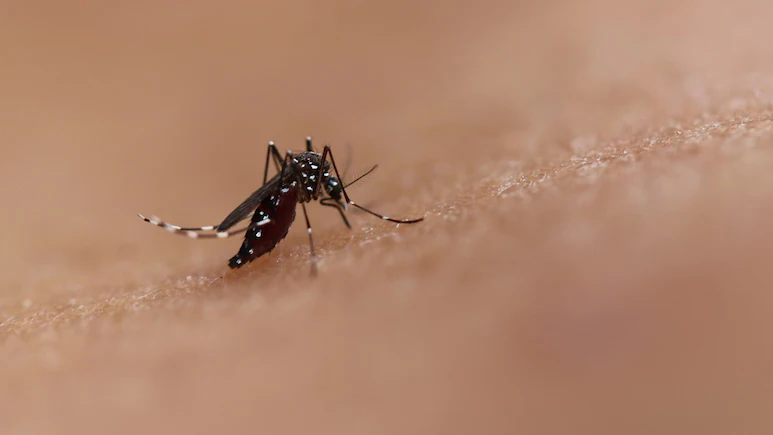
Chikungunya is a viral disease transmitted by Aedes mosquitoes, the same species responsible for dengue. While it is rarely fatal, the infection can cause intense joint pain that may persist for weeks or even months, affecting quality of life and productivity.
Health experts warn that individuals with weak immunity, the elderly, and those with existing health conditions are more vulnerable to complications. Children are also considered at higher risk, making school-based awareness particularly important.
Environmental Factors Contributing to the Surge
Experts point to environmental conditions such as intermittent rainfall, humidity, and poor waste management as key factors contributing to the rise in mosquito populations. Urbanisation, construction activity, and inadequate drainage systems have also created favourable breeding conditions in many areas.
Municipal bodies have been instructed to intensify fogging operations, clear clogged drains, and ensure regular waste disposal. Local bodies are also being monitored to ensure compliance with public health directives.
Political and Social Response
The rising cases have drawn attention from political leaders and civil society groups, many of whom have urged the government to sustain preventive efforts beyond short-term measures. Public health advocates have called for long-term urban planning solutions, improved sanitation infrastructure, and stronger community engagement to address recurring outbreaks.
Citizens’ groups have welcomed the government’s proactive approach but stressed that consistent follow-up will be critical to controlling the situation.
Looking Ahead
While the current surge is a cause for concern, health officials remain cautiously optimistic that the situation can be brought under control if preventive measures are implemented effectively and the public cooperates fully. The government has reiterated that it will continue monitoring the situation closely and will take additional steps if required.
For now, authorities are urging citizens not to panic but to stay informed, follow guidelines, and report symptoms early. The collective effort of government agencies, healthcare professionals, and the public will be key to preventing a larger outbreak in the coming weeks.
Summary
Chikungunya cases have increased across Tamil Nadu, prompting the government to issue a health alert, strengthen surveillance, and intensify mosquito-control and awareness measures, urging citizens to follow preventive steps and seek early treatment.