

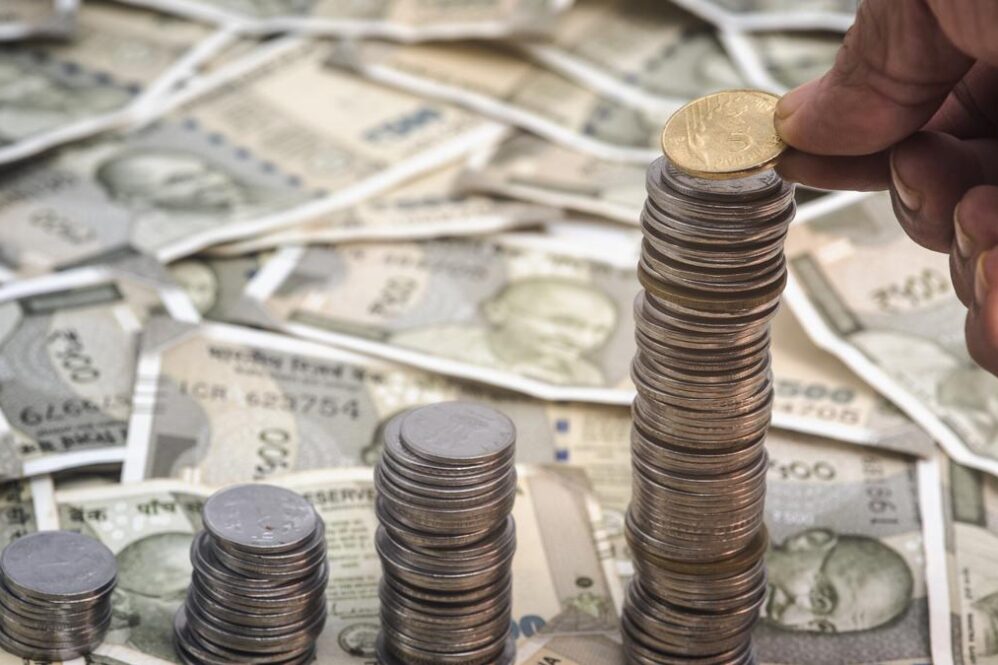
January 22, 2026 (Navroze Bureau) : The Indian rupee staged a modest recovery in early trade, strengthening by 15 paise to trade at 91.50 against the US dollar, after having touched an all-time low in the previous session. The rebound comes amid cautious optimism in domestic markets, supported by suspected central bank intervention, easing dollar demand from importers, and improved sentiment across Asian currencies.
Currency traders said the rupee’s recovery reflects a temporary breather after persistent pressure driven by global uncertainty, strong dollar demand, and concerns over capital outflows. While the movement may appear small in numerical terms, it signals an important psychological shift in a currency that has been under sustained pressure in recent weeks.
Relief After Record Low
The rupee had recently slipped to its weakest-ever level against the dollar, triggering concerns among importers, investors, and policymakers alike. The early-session recovery to 91.50 has therefore provided some relief to market participants, even though analysts caution that volatility is likely to remain elevated.
Forex dealers noted that the recovery was aided by a softer dollar index in early Asian trade, as well as improved sentiment following marginal gains in domestic equity markets. Exporters were also seen selling dollars at higher levels, adding support to the local currency.
Role of the Reserve Bank of India
Market participants believe the Reserve Bank of India (RBI) may have played a role in stabilising the currency through its routine intervention in the forex market. While the central bank does not target a specific exchange rate, it actively works to curb excessive volatility.
Over the past few weeks, the RBI has reportedly used both spot and forward market operations to smoothen sharp fluctuations in the rupee. Such actions are aimed at preventing disorderly movements rather than defending any particular level.
Currency experts say that continued RBI vigilance will remain critical as global risks continue to influence emerging market currencies, including the rupee.
Global Factors Influencing the Rupee
The rupee’s recent weakness has largely been driven by global factors. A strong US dollar, elevated US bond yields, and uncertainty around global economic growth have prompted foreign investors to reduce exposure to emerging markets. This has resulted in capital outflows from Indian equities and debt markets, adding pressure on the domestic currency.
In addition, geopolitical tensions and fluctuating crude oil prices have further complicated the outlook. Since India is a major importer of crude oil, higher oil prices tend to widen the trade deficit and increase dollar demand, which negatively impacts the rupee.
However, the slight easing of global dollar strength in early trade helped the rupee recover some ground.
Impact on Markets and Economy
A weaker rupee has mixed implications for the Indian economy. On the positive side, it benefits exporters by making Indian goods more competitive in global markets. Sectors such as IT services, pharmaceuticals, textiles, and engineering goods typically gain from a softer currency.
On the downside, a depreciating rupee raises the cost of imports, especially crude oil, edible oils, and electronic goods. This can contribute to higher inflation and increase the burden on companies with large foreign currency liabilities.
The recent recovery, though modest, is therefore being welcomed by businesses dependent on imports and by policymakers concerned about inflationary pressures.
Equity Markets and Currency Linkage
Domestic equity markets showed tentative stability in early trade, which also contributed to the rupee’s recovery. Historically, strong equity inflows support the currency, while foreign fund outflows weaken it.
Foreign institutional investors have been cautious in recent sessions, but any signs of renewed inflows could provide further support to the rupee. Analysts suggest that sustained recovery in equities could help stabilise the currency in the near term.
What Analysts Are Saying
Currency strategists believe that while the rupee’s recovery is encouraging, it does not yet indicate a trend reversal. They point out that structural pressures such as global risk aversion, strong dollar demand, and external uncertainties continue to pose risks.
Many experts expect the rupee to trade in a volatile range in the coming sessions, with movements influenced by:
- Global dollar index trends
- Crude oil price fluctuations
- Foreign fund flows
- RBI intervention
- US economic data and interest rate outlook
Short-term traders are therefore advised to remain cautious, while long-term stability will depend on broader macroeconomic developments.
Outlook for the Rupee
Going forward, the direction of the rupee will be shaped by both domestic and international factors. Positive cues such as strong GDP growth, improving exports, and stable inflation could help support the currency. At the same time, global headwinds such as geopolitical risks and tightening financial conditions in advanced economies may continue to exert pressure.
For now, the rupee’s recovery to 91.50 offers a brief respite and signals that support mechanisms, both market-driven and institutional, are actively working to prevent excessive depreciation.
Summary
The rupee recovered 15 paise from its record low to trade at 91.50 against the US dollar in early trade, supported by easing dollar demand, improved sentiment and possible RBI intervention.