

January 28, 2026 (Navroze Bureau) : India has officially declared the recent Nipah virus outbreak as contained, offering relief to health authorities and the public after weeks of intense monitoring, testing, and containment measures. However, officials have emphasized that the region remains under close watch, with surveillance and preventive protocols continuing to ensure that no new chains of transmission emerge.
The announcement follows sustained efforts by state and central health agencies, including aggressive contact tracing, isolation of suspected cases, rapid testing, and community-level awareness campaigns. While the immediate crisis appears to be under control, experts caution that vigilance remains critical given the history of sporadic Nipah outbreaks in the country.
Swift Response Helped Break Transmission Chain
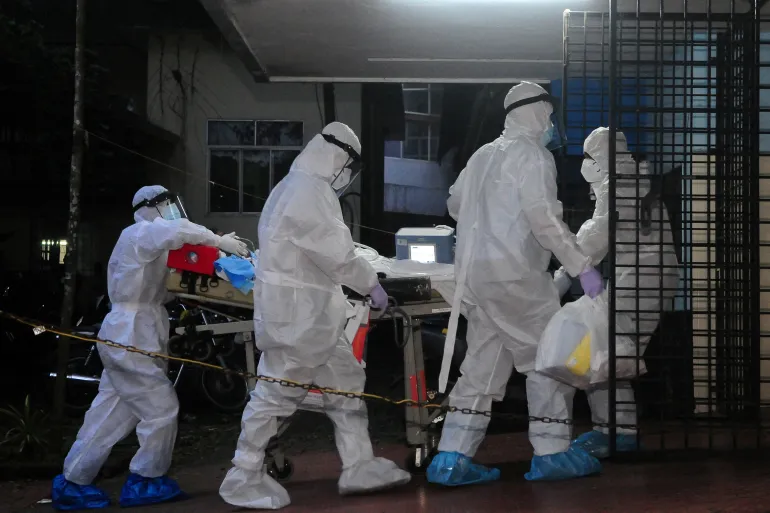
Health officials credited the containment to a swift and coordinated response. The moment the first suspected cases were detected, emergency protocols were activated. High-risk contacts were quarantined, healthcare workers were equipped with protective gear, and hospitals were instructed to follow strict infection-control guidelines.
Special medical teams were deployed to affected areas to monitor symptoms among contacts and vulnerable populations. Mobile testing units expanded reach into surrounding communities, ensuring early detection and minimizing the possibility of silent transmission. According to authorities, this proactive approach played a key role in breaking the chain of infection before it could spread widely.
Region Still Under Surveillance
Despite declaring the outbreak contained, officials have clarified that the affected region will remain under enhanced surveillance for the coming weeks. Schools, healthcare centers, and public spaces continue to follow precautionary measures, and citizens have been advised to report flu-like symptoms immediately.
Public health experts stress that containment does not mean elimination of risk. Nipah virus is known for its unpredictable nature and high fatality rate, making ongoing monitoring essential. Authorities are maintaining testing facilities, emergency response teams, and awareness campaigns to ensure preparedness in case of any resurgence.
Understanding the Nipah Virus Threat
Nipah virus is a zoonotic disease, meaning it can be transmitted from animals to humans, with fruit bats often identified as the natural hosts. Human-to-human transmission is also possible, especially in close-contact environments such as households and hospitals.
Past outbreaks in India, particularly in Kerala, have demonstrated how quickly panic can spread alongside the virus. This time, however, the government’s emphasis on transparency, timely communication, and scientific management helped reduce misinformation and build public cooperation.
Community Cooperation Played a Crucial Role
Authorities have acknowledged that public cooperation was instrumental in containing the outbreak. Residents in affected areas largely adhered to movement restrictions, mask usage, and quarantine guidelines. Community volunteers, local leaders, and healthcare workers worked together to ensure that vulnerable individuals received support without unnecessary exposure.
Public awareness campaigns through local media and grassroots networks educated people about symptoms such as fever, headache, respiratory issues, and neurological signs, encouraging early reporting. This collective effort significantly strengthened the containment strategy.
Healthcare System on High Preparedness
Hospitals in the region have been instructed to maintain isolation wards, stock adequate protective equipment, and keep emergency response teams ready. Mock drills have been conducted to test preparedness levels, while doctors and nurses have received refresher training on handling infectious disease outbreaks.
The containment experience has also provided valuable lessons for future public health emergencies. Strengthening laboratory capacity, improving coordination between state and central agencies, and ensuring faster deployment of medical resources are now seen as long-term priorities.
Economic and Social Impact
While the outbreak was limited, it still had noticeable social and economic effects. Local businesses, tourism, and public gatherings saw a temporary slowdown as people exercised caution. Schools in some areas adopted precautionary measures, and community events were postponed.
With containment now declared, gradual normalization is expected. However, officials are urging citizens not to lower their guard prematurely, emphasizing that responsible behavior will ensure both public safety and economic stability.
Experts Urge Long-Term Vigilance
Public health specialists argue that India must treat each outbreak not just as a crisis to manage, but as an opportunity to build stronger systems. Increased investment in disease surveillance, research on emerging viruses, and public health infrastructure will be essential in reducing the impact of future outbreaks.
They also highlight the importance of monitoring animal-to-human transmission risks, especially in regions where human populations live close to wildlife habitats. Strengthening coordination between environmental, veterinary, and medical authorities is seen as a critical step forward.
Looking Ahead
For now, the declaration of containment brings cautious optimism. Life in the affected region is slowly returning to normal, but with a heightened sense of awareness. The government’s message is clear: the situation is under control, but preparedness must continue.
Citizens are encouraged to maintain hygiene practices, stay informed through credible sources, and cooperate with health advisories. The experience serves as a reminder that while outbreaks can be contained, sustained vigilance is the strongest defense against future public health threats.
Summary
India has declared the recent Nipah virus outbreak contained, but authorities continue heightened surveillance and preventive measures in the region, emphasizing vigilance, community cooperation, and preparedness to prevent any resurgence.