

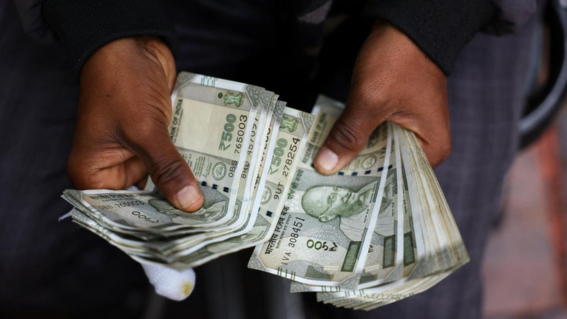
3 February 2026 (Navroze Bureau) : The Indian rupee recorded a sharp single-day gain, jumping 119 paise to close at 90.30 against the U.S. dollar, buoyed by strong optimism surrounding the India–U.S. trade deal. The surge marks one of the rupee’s biggest daily advances in recent months and reflects renewed investor confidence in India’s economic outlook.
Currency traders and market analysts attributed the rally to a combination of positive trade-related sentiment, strong capital inflows, and a decline in risk aversion among global investors following clarity on bilateral trade cooperation between the two countries.
Trade Deal Lifts Market Sentiment
The India–U.S. trade agreement, which includes tariff rationalisation and improved market access for key sectors, has been widely welcomed by industry bodies and investors. Market participants believe the deal will strengthen exports, improve supply-chain resilience, and attract long-term foreign investments into India.
The announcement led to a broad-based improvement in sentiment across financial markets, with equities, bonds, and the currency all reacting positively. Dealers said the rupee opened strong and extended gains through the session as dollar demand weakened and exporter inflows increased.
Dollar Weakness and Capital Inflows
The rupee’s rise was also supported by a softer U.S. dollar in overseas markets. As optimism over global trade cooperation improved risk appetite, investors moved away from the dollar’s safe-haven appeal, benefiting emerging market currencies like the rupee.
Foreign institutional investors (FIIs) were seen stepping up purchases in Indian equities and debt, adding to dollar inflows. Analysts noted that expectations of sustained foreign investments, especially in manufacturing, technology, and infrastructure, played a key role in strengthening the domestic currency.
Exporters and Importers React
Exporters took advantage of the sharp appreciation by selling dollars at higher levels, which further supported the rupee. However, some exporters expressed caution, noting that a stronger rupee could marginally impact export competitiveness if the trend continues.
Importers, on the other hand, welcomed the move, as a stronger rupee reduces the cost of imports such as crude oil, electronics, and capital goods. Lower import bills could help ease inflationary pressures in the coming months, especially if global commodity prices remain stable.
Role of the Central Bank
Market participants said the Reserve Bank of India (RBI) was likely active in the market to smooth excessive volatility. While the central bank generally allows market-driven movements, it is known to intervene to prevent sharp or disorderly swings.
Economists believe the RBI may use the opportunity to rebuild foreign exchange reserves if inflows remain strong, ensuring stability while allowing the rupee to reflect improved fundamentals.
Broader Economic Implications
The rupee’s appreciation is being seen as a positive signal for the broader economy. A stronger currency can help contain imported inflation, particularly fuel and raw material costs, offering relief to both consumers and businesses.
At the same time, analysts caution that sustained appreciation needs to be balanced with export growth. India’s export sector remains sensitive to currency movements, especially in labour-intensive industries.
What Analysts Say
Currency experts say the near-term outlook for the rupee remains constructive, provided global risk sentiment stays supportive and trade-related optimism continues. However, they also warn that external factors such as U.S. interest rate decisions, crude oil price movements, and geopolitical developments could influence the currency’s trajectory.
Some analysts expect the rupee to trade in a 90–91 range against the dollar in the near term, with volatility likely around key global economic data releases.
Equity and Bond Markets Cheer
Indian equity markets also responded positively to the trade deal and the stronger rupee, with benchmark indices posting gains. A firm currency is often viewed favourably by foreign investors, as it enhances returns on investments.
Bond markets saw mild buying interest as well, supported by expectations that a stronger rupee and improved trade outlook could help maintain macroeconomic stability.
Risks to Watch
Despite the optimism, market participants remain cautious. A sudden reversal in global sentiment, renewed dollar strength, or spikes in crude oil prices could put pressure on the rupee.
Additionally, traders will closely track upcoming economic indicators, central bank commentary, and progress on implementing the India–U.S. trade agreement.
Conclusion
The rupee’s 119-paise jump to 90.30 against the dollar underscores the powerful impact of positive trade developments on currency markets. While the India–U.S. trade deal has given the rupee a strong boost, sustaining these gains will depend on continued foreign inflows, stable global conditions, and supportive domestic fundamentals. For now, the move reflects renewed confidence in India’s growth and external trade prospects.
Summary:
The rupee surged 119 paise to 90.30 against the dollar after the India–U.S. trade deal boosted investor confidence, improved capital inflows, and weakened the dollar, supporting emerging market currencies.