

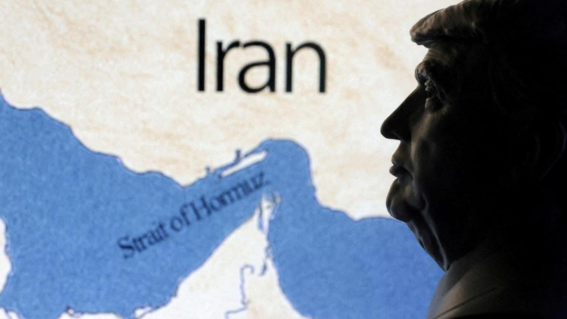
4 February 2026 (Navroze Bureau) : The United States and Iran are set to resume nuclear-related discussions in Oman on February 6, according to a diplomat familiar with the matter, as tensions between the two long-time adversaries remain elevated. The talks come at a sensitive moment for the Middle East, marked by military posturing, diplomatic warnings, and growing international concern over Iran’s nuclear activities.
Oman, which has historically played the role of a neutral mediator between Washington and Tehran, will host the talks in its capital, Muscat. The choice of venue underscores Muscat’s reputation as a trusted intermediary capable of facilitating dialogue when direct engagement between the two sides becomes politically difficult. Both the U.S. and Iran have previously relied on Omani mediation during periods of heightened strain.
The upcoming discussions are expected to focus primarily on Iran’s nuclear programme. Diplomatic sources suggest the agenda will be narrowly defined, centring on enrichment levels, monitoring mechanisms, and steps that could reduce the risk of further escalation. Broader issues such as Iran’s ballistic missile programme and its regional influence are unlikely to be formally included at this stage, as Tehran has repeatedly stated it will not negotiate on those fronts.
Relations between Washington and Tehran have deteriorated in recent months, driven by a combination of stalled diplomacy, military incidents, and sharp rhetoric from both sides. The U.S. has expressed growing concern over Iran’s advancing nuclear capabilities, while Iran has accused Washington of economic warfare through sanctions and of threatening its national security.
The U.S. administration has warned that it will not allow Iran to develop a nuclear weapon and has signalled that diplomacy remains its preferred route, though it has not ruled out other options. At the same time, Iran continues to insist that its nuclear programme is for peaceful purposes, while maintaining that it will respond forcefully to any military or political pressure.
Regional tensions have added urgency to the talks. Recent incidents involving naval forces in strategic waterways, as well as heightened military deployments in the Middle East, have raised fears of miscalculation that could spiral into open conflict. Energy markets and global investors are also closely watching developments, given the potential impact of instability in a region critical to global oil supplies.
For Iran, the talks offer a chance to seek sanctions relief and economic breathing room at a time when its economy remains under pressure. Iranian officials have repeatedly stated that meaningful progress will depend on tangible guarantees and respect for Iran’s sovereignty. Tehran is also keen to demonstrate to domestic audiences that it is not yielding under pressure but engaging in diplomacy on its own terms.
For the United States, the discussions represent an opportunity to reassert diplomatic engagement and prevent further nuclear escalation without resorting to military action. Officials believe that even limited dialogue can help manage risks and keep channels of communication open during a volatile period.
Observers caution, however, that expectations should remain modest. Past efforts to revive comprehensive nuclear agreements have faced repeated setbacks due to mistrust, political constraints, and disagreements over sequencing and verification. The February 6 meeting is widely seen as a confidence-building step rather than a breakthrough moment.
International reactions to the announcement have been mixed. Some countries have welcomed the move as a positive sign that diplomacy is still possible, while others remain sceptical about whether talks will lead to concrete outcomes. Regional allies of the U.S. continue to monitor the situation closely, concerned about how any potential agreement might affect their security interests.
Oman’s role is likely to be crucial in shaping the tone and structure of the discussions. Known for its quiet diplomacy, the Gulf state has often facilitated back-channel communication when public negotiations were not feasible. Its involvement is expected to help both sides navigate sensitive issues without escalating tensions.
As February 6 approaches, analysts say the talks could serve as a litmus test for whether Washington and Tehran are willing to stabilise relations, even temporarily. While a comprehensive resolution appears unlikely in the near term, the very act of sitting down at the negotiating table may help reduce the immediate risk of confrontation.
Ultimately, the Oman talks highlight the fragile state of U.S.-Iran relations and the high stakes involved. With regional stability, nuclear non-proliferation, and global economic interests on the line, even incremental diplomatic progress could have significant implications in the weeks and months ahead.
Summary:
The U.S. and Iran will hold nuclear talks in Oman on February 6 as tensions rise, aiming to address Iran’s nuclear programme and reduce escalation amid regional instability.