

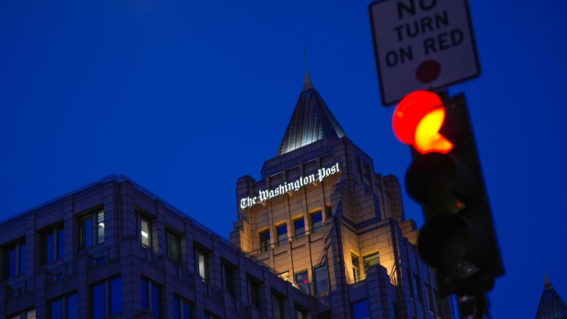
5 February 2026 (Navroze Bureau) : A wave of layoffs at The Washington Post has triggered an outpouring of grief, reflection, and quiet resilience from journalists who lost their jobs, with several former staffers sharing somber farewell messages on social media. Among those affected is journalist Ishaan Tharoor, son of Congress leader and author Shashi Tharoor, whose departure has drawn particular attention in India and international media circles.
Describing the moment simply as “a bad day,” former employees posted heartfelt notes acknowledging the end of professional chapters shaped by years of reporting, editing, and collaboration at one of the world’s most influential newspapers. The layoffs are part of a broader restructuring effort as the media industry continues to grapple with declining digital subscriptions, advertising pressures, and changing reader habits.
Ishaan Tharoor, who was associated with The Washington Post’s foreign affairs and global opinion coverage, shared a reflective message thanking colleagues and editors while expressing sadness at the sudden end of his tenure. His note resonated widely, not only because of his prominent lineage but also due to his reputation as a sharp analyst of international politics and global affairs.
In his message, Tharoor acknowledged the emotional toll of the layoffs, describing the experience as disorienting and painful. He also highlighted the camaraderie and intellectual rigor that defined his time at the publication, underscoring the human cost behind corporate restructuring decisions.
Other departing journalists echoed similar sentiments. Many wrote about the privilege of working at The Washington Post, the friendships forged in newsrooms, and the pride they felt in contributing to public-interest journalism. At the same time, their messages reflected anxiety about the future of the profession, particularly as newsrooms across the world continue to shrink.
The layoffs have sparked renewed debate about the sustainability of traditional media institutions, even those with global reach and prestige. The Washington Post, owned by Amazon founder Jeff Bezos, has invested heavily in digital transformation over the past decade. Yet, like many major news organisations, it has struggled to maintain subscriber growth in an increasingly crowded and competitive digital landscape.
Media analysts say the cuts reflect structural challenges rather than individual performance. Rising operational costs, shifting audience preferences, and intense competition from social media platforms have forced even legacy outlets to make difficult decisions. Still, critics argue that repeated layoffs risk hollowing out newsrooms and weakening journalistic depth.
For many journalists, the layoffs have been particularly jarring given the demanding nature of their work. Reporting on global crises, political upheavals, and social change often involves long hours, emotional strain, and personal sacrifice. Losing such roles abruptly, employees say, adds to the sense of instability already prevalent in the profession.
In India, the news of Ishaan Tharoor’s exit attracted attention due to his father Shashi Tharoor’s stature as a former diplomat, parliamentarian, and prolific writer. However, observers were quick to note that Ishaan Tharoor had carved his own professional identity, earning respect for his independent voice and analytical clarity.
Several journalists and commentators expressed solidarity with those affected, calling the layoffs a reminder of the precariousness of media careers. Some also used the moment to call for stronger support systems for journalists, including unions, freelance protections, and alternative funding models for quality journalism.
Inside The Washington Post, remaining staff members reportedly face mixed emotions—relief at having retained their jobs, coupled with guilt and concern for colleagues who were let go. Such moments, former employees say, can alter newsroom culture, affecting morale and long-term confidence.
The layoffs also come amid broader questions about the role of journalism in democratic societies. At a time when misinformation is rampant and trust in institutions is fragile, many fear that shrinking newsrooms could weaken accountability and public discourse.
Despite the uncertainty, several laid-off journalists struck a note of resilience in their farewell messages. Many expressed gratitude for the skills they gained and the stories they told, while remaining hopeful about future opportunities. Some indicated plans to continue writing independently, explore new media formats, or take time to reassess their paths.
Ishaan Tharoor’s message, in particular, stood out for its understated tone—neither bitter nor dramatic, but quietly reflective. By calling it simply “a bad day,” he captured a sentiment shared by many journalists who see layoffs not as personal failures but as painful consequences of a shifting industry.
As The Washington Post and other major news organisations navigate economic pressures, the voices of those leaving serve as a reminder that journalism is ultimately a human endeavour. Behind headlines about layoffs are individuals whose careers, identities, and passions are deeply tied to the work they do.
For readers, the episode underscores the importance of supporting credible journalism in whatever ways possible—through subscriptions, engagement, and advocacy. For journalists, it is another stark chapter in an industry undergoing profound transformation.
Summary:
Washington Post layoffs prompted emotional farewell notes from sacked journalists, including Ishaan Tharoor, son of Shashi Tharoor, highlighting the human cost of media cutbacks amid ongoing industry challenges.