

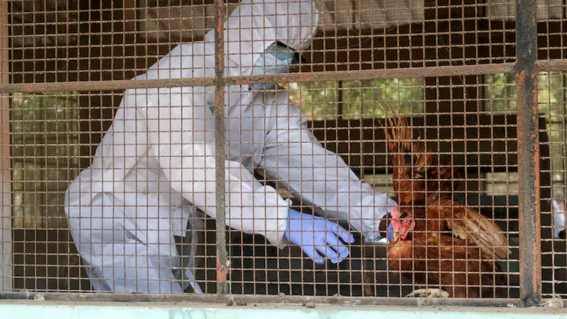
9 February 2026 (Navroze Bureau) : With fresh reports of avian influenza (bird flu) cases in parts of Tamil Nadu, authorities have intensified surveillance and containment measures, including the culling of birds in affected and surrounding areas. While the practice often raises public concern and ethical questions, health experts and veterinary authorities say culling is a globally accepted disease-control strategy aimed at preventing wider spread.
What Is Avian Influenza?
Avian influenza is a highly contagious viral disease that primarily affects birds, particularly poultry such as chickens, ducks, and turkeys. It is caused by influenza A viruses, some of which—especially highly pathogenic strains like H5 and H7—can spread rapidly and cause high mortality in birds.
In rare cases, certain strains can infect humans, usually through close and prolonged contact with infected birds or contaminated environments.
Why Culling Is Necessary
Authorities resort to culling because avian influenza spreads extremely fast among birds. Once detected in a flock, the virus can move swiftly to nearby farms through:
- Direct bird-to-bird contact
- Contaminated feed, water, or equipment
- Movement of people, vehicles, or cages
- Wild migratory birds
Culling infected and exposed birds helps break the transmission chain before the virus establishes itself across larger regions.
Preventing Mutation and Human Risk
One of the biggest concerns during bird flu outbreaks is the virus’s ability to mutate. When the virus circulates widely among birds, it gets more opportunities to evolve, potentially increasing its ability to infect humans.
“Rapid culling reduces viral load in the environment,” veterinary experts explain. “This lowers the chances of the virus adapting in ways that could pose a public health threat.”
Although human infections are rare, global health agencies stress that prevention at the animal level is the most effective safeguard.
Why Vaccination Alone Isn’t Enough
Many people question why authorities do not simply vaccinate birds instead of culling them. Experts say vaccination:
- Does not always prevent infection or viral shedding
- Can mask symptoms, making outbreaks harder to detect
- Requires constant monitoring and repeated doses
In contrast, culling provides immediate containment, especially during outbreaks involving highly pathogenic strains.
How Culling Is Carried Out
In Tamil Nadu, culling operations follow standard operating procedures laid down by animal husbandry departments:
- Birds within a defined radius of the outbreak zone are humanely culled
- Carcasses are safely disposed of through deep burial or incineration
- Affected premises are disinfected
- Movement of poultry, eggs, and feed is temporarily restricted
Farmers are typically compensated to reduce economic distress and encourage early reporting of unusual bird deaths.
Impact on Poultry and Consumers
Authorities reassure the public that properly cooked poultry and eggs are safe to consume, as the virus is destroyed at high temperatures. Temporary restrictions on poultry movement are preventive and aimed at ensuring food safety.
Experts caution against panic, emphasizing that culling is a targeted, science-based response rather than a blanket elimination of birds.
Surveillance and Monitoring
Alongside culling, Tamil Nadu has ramped up:
- Active surveillance in poultry farms
- Testing of samples from migratory birds
- Coordination between health and veterinary departments
Human health agencies also monitor people who may have been exposed, though the risk of human transmission remains low.
Conclusion
Culling birds during avian influenza outbreaks is a difficult but necessary step to protect animal health, livelihoods, and public safety. By acting quickly and decisively, authorities aim to contain the virus at its source and prevent a larger crisis.
As experts underline, early reporting, strict biosecurity, and public awareness are crucial in managing bird flu outbreaks effectively.
Summary
During bird flu outbreaks in Tamil Nadu, authorities cull birds to stop rapid virus spread, reduce mutation risk, protect poultry farms, and minimise the already low chances of human infection.