

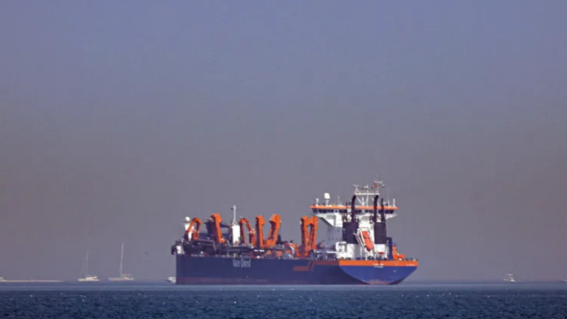
3 March 2026 Punjab Khabarnama Bureau : Fresh concerns have emerged in global energy markets after reports of a potential shutdown of the Strait of Hormuz, one of the world’s most critical oil transit chokepoints. Any disruption in this narrow passageway is widely expected to send crude oil prices sharply higher, affecting economies worldwide.
The Strait of Hormuz connects the Persian Gulf to the Arabian Sea and serves as a vital route for oil exports from major producers including Saudi Arabia, Iraq, Kuwait, and the United Arab Emirates. Nearly one-fifth of global petroleum liquids consumption passes through the strait daily, making it indispensable to global energy supply chains.
Energy analysts warn that even the threat of closure can spark price volatility. Oil futures often react immediately to geopolitical tensions in the region, with traders factoring in risks of supply disruptions. A full shutdown, if prolonged, could lead to a significant supply crunch in international markets.
Countries heavily dependent on imported oil — including India, Japan, China, and several European nations — would likely feel immediate economic pressure. Higher crude prices typically translate into increased fuel costs, rising transportation expenses, and broader inflationary impacts.
For India in particular, which imports more than 80% of its crude oil requirements, any spike in global prices could widen the trade deficit and put pressure on the rupee. Policymakers may be forced to reassess fuel taxation policies or tap into strategic petroleum reserves to cushion the impact.
The Strait of Hormuz has long been a flashpoint during regional tensions involving Iran and Western powers. In past crises, threats to block the waterway have been used as leverage, though a complete and sustained closure has never materialized due to the severe global consequences it would trigger.
Shipping companies and maritime insurers are already monitoring developments closely. Increased risk in the area could lead to higher insurance premiums for tankers, further driving up costs. Some vessels may opt for alternative routes where possible, though there are limited substitutes for the volume handled by Hormuz.
Global oil prices have historically shown sharp upward movement during similar episodes of uncertainty. Even short-term disruptions or military escalations in the region can push Brent crude prices up by several dollars per barrel within hours.
OPEC members and other major oil-producing nations may attempt to stabilize markets by adjusting output levels. However, logistical constraints and production limits could restrict how quickly supply gaps are filled.
Meanwhile, financial markets are also reacting cautiously. Equity markets often decline when oil prices surge rapidly, particularly in oil-importing nations. Conversely, shares of energy companies may see gains amid expectations of higher revenues.
Experts caution that the duration and scale of disruption will determine the long-term impact. A brief interruption may cause temporary spikes, while a prolonged shutdown could trigger sustained inflationary pressures and potentially slow global economic growth.
Governments worldwide are closely tracking developments, with diplomatic channels reportedly active to prevent escalation. Maintaining free navigation through the Strait of Hormuz is widely seen as essential for global economic stability.
As tensions evolve, the energy market remains on edge. Investors, policymakers, and consumers alike are bracing for possible volatility, aware that this narrow maritime corridor holds outsized influence over the world’s oil supply.
Summary
Fears of a shutdown of the Strait of Hormuz have rattled global markets, raising concerns about oil supply disruptions and sharp price increases that could fuel inflation and economic uncertainty worldwide.