

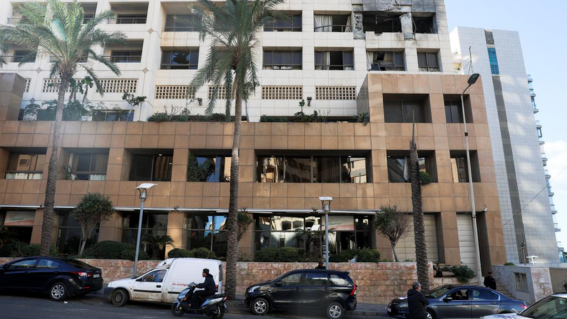
9 March 2026 (Navroze Bureau) : International rights group Human Rights Watch has accused Israel of using White Phosphorus in its latest military operations in Lebanon, raising serious concerns about civilian safety and potential violations of international humanitarian law.
According to the organization, evidence gathered from videos, photographs, and witness testimonies suggests that artillery shells containing white phosphorus were used during attacks in populated areas. Human Rights Watch stated that the substance can cause severe burns and fires when it comes into contact with oxygen.
White phosphorus is sometimes used by militaries to create smoke screens or illuminate battlefields. However, its use in densely populated civilian areas is widely criticized due to the high risk of serious injuries and property damage.
Human Rights Watch called for an immediate investigation into the alleged incidents and urged all parties involved in the conflict to comply with international laws governing warfare. The group emphasized the need to protect civilians and avoid weapons that can cause indiscriminate harm.
Israeli officials have not fully confirmed the claims but have previously stated that the country’s military operations follow international law and are conducted to target militant groups threatening its security.
The allegations come amid escalating cross-border tensions between Israel and armed groups operating in southern Lebanon, particularly Hezbollah. The ongoing hostilities have raised fears of a broader regional conflict.
Human rights organizations and international observers have repeatedly called for restraint and adherence to humanitarian standards to prevent further harm to civilians caught in the conflict.
The situation continues to evolve as diplomatic efforts and international scrutiny intensify regarding the conduct of military operations in the region.
Summary :
Human Rights Watch has accused Israel of using white phosphorus in recent attacks in Lebanon, raising concerns about civilian safety and potential violations of international humanitarian law.