

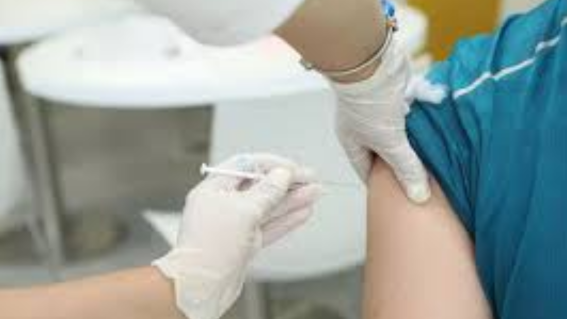
10 March 2026 (Navroze Bureau) : Public health experts are raising concerns as new research indicates that vaccination intentions among Generation Z regarding the Human Papillomavirus Vaccine appear to be slowing down, even though awareness about the virus and its health risks has increased in recent years.
The Human Papillomavirus (HPV) is one of the most common sexually transmitted infections worldwide and is known to cause several types of cancers, including Cervical Cancer, as well as cancers affecting the throat, anus, and other parts of the body. Health authorities have long recommended HPV vaccination as one of the most effective preventive measures against these diseases.
Despite this strong medical consensus, surveys and studies suggest that many young people in Gen Z are hesitant or delaying vaccination decisions. Researchers say the trend is worrying because vaccination is most effective when administered before individuals are exposed to the virus.
One key factor contributing to the slowdown is misinformation circulating on social media platforms. Health experts note that misleading posts and unverified claims about vaccine safety can create confusion and reduce trust among young people.
Another issue is a lack of consistent health communication. While many Gen Z individuals are aware of HPV as a virus, they often lack detailed knowledge about the benefits of vaccination or the recommended vaccination schedule.
Researchers also found that some young people believe HPV vaccination is unnecessary if they feel healthy or believe they are not at risk of infection. This perception can lead to delayed or skipped vaccinations.
In addition, access barriers may also play a role in some regions. Limited availability of vaccines, high costs in certain healthcare systems, or difficulties in scheduling appointments can discourage individuals from completing the vaccination process.
Parental influence and cultural attitudes also affect vaccination decisions. In some communities, discussions about sexually transmitted infections remain sensitive topics, which may reduce open conversations about HPV prevention.
Health professionals emphasize that increasing education and awareness is essential to improving vaccination rates. Clear, science-based communication about the safety and effectiveness of HPV vaccines can help address concerns and misconceptions.
Public health campaigns in many countries are now focusing on reaching younger audiences through digital platforms, schools, and healthcare providers. These initiatives aim to provide accurate information and encourage timely vaccination.
Medical experts stress that HPV vaccines have been extensively studied and proven to be safe and effective in preventing HPV-related cancers. Global health organizations continue to recommend routine vaccination for adolescents and young adults.
Researchers believe that improving trust in healthcare systems and strengthening communication strategies could help reverse the decline in vaccination intentions among Gen Z.
They also suggest that integrating vaccination programs into school-based health initiatives and community outreach programs could make access easier and increase participation.
Ultimately, experts say that addressing vaccine hesitancy requires a combination of education, accessibility, and supportive social environments.
The findings highlight the importance of continued public health efforts to ensure that younger generations receive the protection offered by HPV vaccination and reduce the long-term risk of HPV-related cancers.
Summary :
Studies show Gen Z’s intentions to receive the HPV vaccine are slowing due to misinformation, access barriers, and lack of awareness, raising concerns among health experts about future HPV-related cancer prevention.