

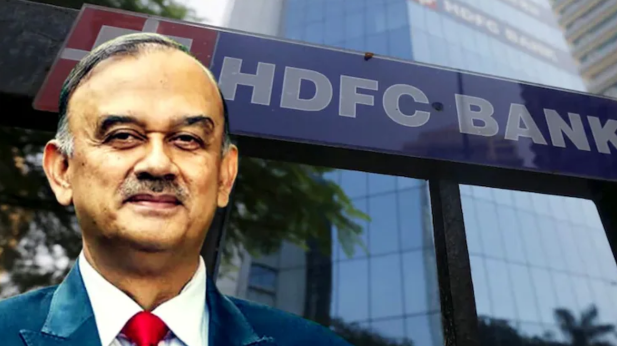
19 March 2026 (Navroze Bureau) : In a significant development in India’s banking sector, the chairman of HDFC Bank has stepped down from his position, citing ethical concerns. The unexpected resignation triggered a sharp reaction in the stock market, with the bank’s shares falling as investors reacted to the sudden leadership change.
The chairman said his decision to resign was based on ethical considerations and the need to maintain transparency and integrity in the institution’s leadership. While detailed reasons behind the move were not immediately disclosed, the statement emphasized the importance of maintaining strong governance standards in the banking sector.
Following the announcement, shares of HDFC Bank experienced a decline during trading as market participants assessed the potential impact of the leadership change. The bank is one of India’s largest and most influential financial institutions, making any developments at the top level closely watched by investors.
The situation also drew the attention of the Reserve Bank of India, which is responsible for regulating and supervising the country’s banking system. The central bank said it was closely monitoring the situation and emphasized the importance of maintaining stability and confidence in the financial sector.
Regulators typically ensure that governance standards and compliance frameworks are followed by banks, especially when leadership transitions occur. The RBI’s involvement indicates that authorities are keen to ensure that the bank’s operations continue smoothly despite the leadership change.
HDFC Bank has long been considered one of the strongest performers in India’s banking industry, known for its consistent growth, strong asset quality and large customer base. As a result, developments involving its leadership often have broader implications for the financial markets.
Market analysts said that investor concerns following the resignation likely stem from uncertainty about the circumstances behind the decision. Leadership stability is a key factor for large financial institutions, and unexpected changes can lead to short-term volatility in stock prices.
However, experts also noted that large banks typically have established management structures that allow them to continue operations without disruption even when top leadership changes occur. Interim arrangements or succession plans are often put in place to ensure continuity.
The bank’s board of directors is expected to review the situation and determine the next steps regarding leadership. This may include appointing an interim chairman or beginning the process of selecting a new permanent leader.
Investors and analysts will be watching closely for further announcements from the bank regarding governance, succession plans and any clarifications about the ethical concerns mentioned in the resignation statement.
Despite the immediate market reaction, many experts believe the long-term impact on the bank will depend on how effectively the leadership transition is managed. Clear communication from the bank and regulatory oversight from the RBI will play an important role in restoring investor confidence.
The development highlights the importance of corporate governance and ethical standards in the financial sector. Banks operate in a highly regulated environment, and maintaining trust among customers, investors and regulators is essential for their stability and success.
As the situation unfolds, stakeholders will continue monitoring how the bank addresses the leadership transition and ensures that its operations and strategic direction remain on track.
Summary
HDFC Bank’s chairman resigned citing ethical concerns, triggering a fall in the bank’s shares. The Reserve Bank of India is monitoring the situation as investors await clarity on leadership transition.