

10 April 2026 (Navroze Bureau) : Global energy markets are expected to remain volatile for months despite the recent ceasefire in the Iran conflict, with analysts warning that oil and gas prices will not return to normal levels anytime soon. While the announcement of a temporary truce initially brought some relief to markets, experts say the underlying disruptions to supply chains and infrastructure will take considerable time to resolve.
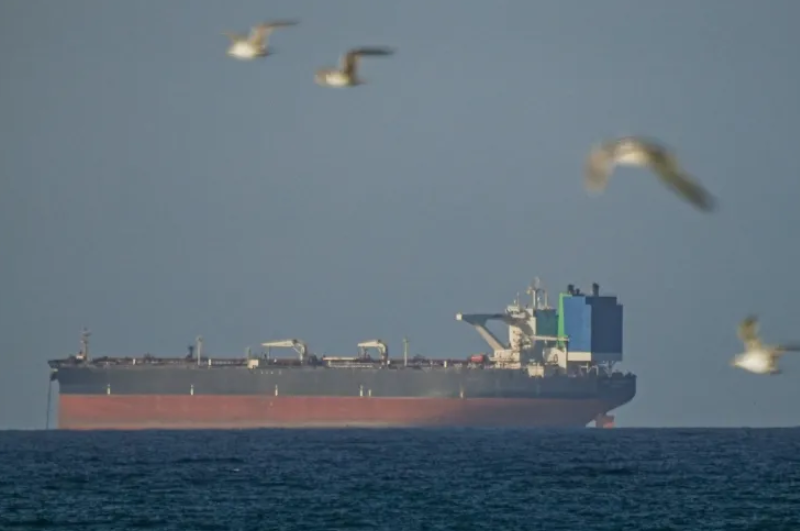
The conflict, which severely disrupted shipping routes through the strategically vital Strait of Hormuz, has had a profound impact on global energy supply. This narrow waterway handles nearly 20% of the world’s oil and gas exports, making it one of the most critical chokepoints in international trade. During the peak of the conflict, traffic through the strait dropped drastically, with only a handful of vessels able to pass compared to over a hundred per day under normal conditions.
Although the ceasefire has raised hopes of a gradual recovery, analysts caution that reopening and stabilising supply chains is far from straightforward. Energy experts emphasise that markets require not just access but consistent and secure flow of cargo to regain confidence. Any uncertainty or renewed tension in the region could quickly reverse recent gains and push prices higher again.
One of the biggest challenges lies in restoring production and logistics systems that were disrupted during the conflict. Several oil-producing nations were forced to shut down or reduce output due to storage limitations and safety concerns. Restarting these operations is expected to take weeks or even months, depending on the extent of damage and coordination among countries.
Additionally, the conflict has led to logistical bottlenecks, with hundreds of ships stranded or delayed in the region. Even if the Strait of Hormuz reopens fully, clearing this backlog will take time. Higher insurance costs, security concerns, and potential transit fees could further slow down recovery and keep prices elevated in the near term.
Market analysts also point out that the ceasefire itself remains fragile. Continued geopolitical tensions, including sporadic military actions and disagreements among global powers, are adding to uncertainty. This has resulted in fluctuating oil prices, with sharp drops followed by quick rebounds, reflecting the market’s sensitivity to developments in the region.
Another factor contributing to prolonged high energy prices is the damage to infrastructure, particularly in the liquefied natural gas (LNG) sector. Experts suggest that while crude oil supplies might stabilise within a few months under ideal conditions, LNG markets could take significantly longer—potentially several months or more—to fully recover.
The economic impact of sustained high energy prices is being felt globally, especially in developing countries that are heavily dependent on energy imports. Rising fuel costs are contributing to inflation, increasing transportation expenses, and putting pressure on household budgets. Countries in Asia and Africa are among the hardest hit, as they rely heavily on energy imports from the Middle East.
For countries like India, which imports a large portion of its crude oil requirements, even a small increase in global prices can significantly impact the economy. A rise of just one dollar per barrel can increase the annual import bill by billions, highlighting the sensitivity of domestic markets to global energy fluctuations.
Despite these challenges, some analysts believe that prices may gradually ease if the ceasefire holds and supply chains begin to normalise. However, they stress that the process will be slow and uneven, with potential setbacks along the way. The presence of a “geopolitical premium” on oil prices is likely to persist, reflecting ongoing risks in the region.
Experts also warn that even in the best-case scenario, energy markets may not return to pre-conflict conditions quickly. Structural changes, such as shifts in supply routes, diversification of energy sources, and increased investment in alternative energy, could reshape the global energy landscape in the long term.
In conclusion, while the ceasefire has provided temporary relief, it is unlikely to bring immediate stability to global energy markets. The combination of supply disruptions, logistical challenges, infrastructure damage, and ongoing geopolitical risks means that energy prices could remain elevated for months. Policymakers and consumers alike will need to prepare for continued uncertainty as the situation evolves.
Summary
Energy prices may remain high for months despite ceasefire, as supply disruptions, logistics issues, and geopolitical tensions delay recovery, impacting global markets and economies, especially import-dependent countries like India.