

April 20, 2026 (Navroze Bureau) : Advances in Genetic Engineering are opening new frontiers in the fight against Malaria, with scientists exploring the use of gene drives to alter mosquito populations and reduce the spread of the deadly disease.
Malaria remains one of the world’s most persistent public health challenges, transmitted primarily by female Anopheles mosquito. Despite decades of control efforts—including insecticide-treated nets, sprays, and medications—the disease continues to affect millions annually, particularly in tropical and subtropical regions.
At the centre of this emerging strategy is the concept of a gene drive, a powerful application of modern genetics. Normally, genes have a 50% chance of being passed from parent to offspring. However, gene drives bias this process, ensuring that a specific genetic trait is inherited by nearly all offspring, allowing it to spread rapidly through a population.
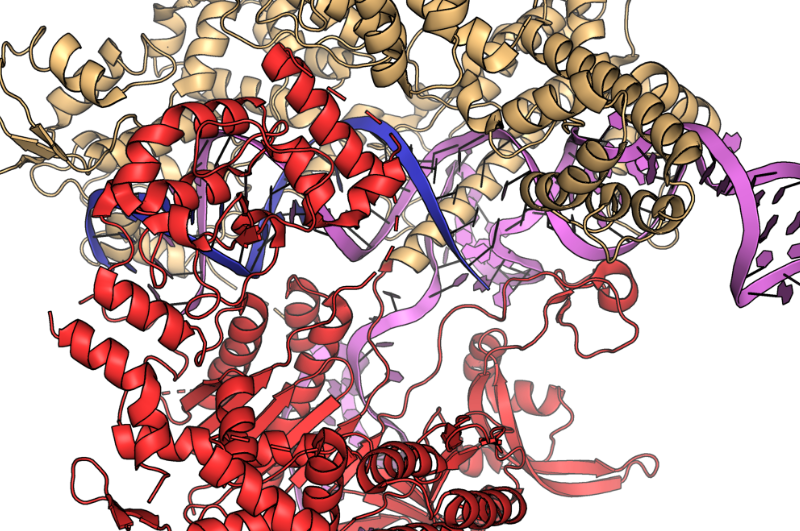
Scientists are using tools like CRISPR to design gene drives that can either suppress mosquito populations or make them incapable of transmitting the malaria parasite. For example, one approach involves modifying mosquitoes so that female offspring become infertile, leading to a gradual decline in population over generations.
Another strategy focuses on altering mosquitoes so they can no longer carry or transmit the parasite that causes malaria. This would effectively break the transmission cycle without necessarily eliminating the mosquito population entirely.
The potential benefits of gene drives are significant. If successful, they could provide a long-term, cost-effective solution to malaria control, especially in regions where traditional methods have had limited success. Unlike insecticides, which require repeated application and can lead to resistance, gene drives could offer a self-sustaining approach.
However, the technology also raises important scientific, ethical, and ecological questions. Releasing genetically altered organisms into the wild carries risks, including unintended consequences for ecosystems. Mosquitoes, for instance, play roles in food chains, serving as a food source for birds, fish, and other insects.
There are also concerns about the possibility of gene drives spreading beyond targeted regions or species. Once released, controlling or reversing a gene drive could be challenging, making careful testing and regulation essential.
Public acceptance is another critical factor. Communities in regions affected by malaria would need to be informed and involved in decision-making processes. Trust, transparency, and clear communication will be key to the successful deployment of such technologies.
Regulatory frameworks are still evolving to address the unique challenges posed by gene drives. International collaboration will likely be necessary, as mosquito populations do not respect national borders.
Despite these challenges, research in this field is progressing steadily. Laboratory studies and controlled field trials are being conducted to assess the safety and effectiveness of gene drive approaches. Scientists are also exploring ways to design “reversible” gene drives or limit their spread to specific areas.
Experts emphasise that gene drives should not be seen as a standalone solution but as part of an integrated strategy for malaria control. Combining genetic approaches with existing methods could enhance overall effectiveness and reduce reliance on any single intervention.
The urgency of finding new solutions is underscored by the continued burden of malaria. Climate change, urbanisation, and evolving mosquito resistance patterns are complicating control efforts, making innovative approaches increasingly important.
For countries heavily affected by malaria, the promise of gene drives represents a potential game-changer. Reducing transmission could save millions of lives and significantly improve public health outcomes.
At the same time, caution remains essential. Balancing innovation with safety will be critical to ensuring that the benefits of gene drives outweigh the risks.
In conclusion, gene drives represent a groundbreaking approach in the fight against malaria, offering the possibility of reshaping how the disease is controlled. While challenges remain, ongoing research and careful regulation could pave the way for a new era in global health, where genetically altered mosquitoes play a key role in reducing one of humanity’s oldest and deadliest diseases.
Summary
Gene drives using CRISPR could alter mosquitoes to reduce malaria transmission, offering a promising but controversial tool in disease control, with benefits balanced against ecological, ethical, and regulatory challenges.