

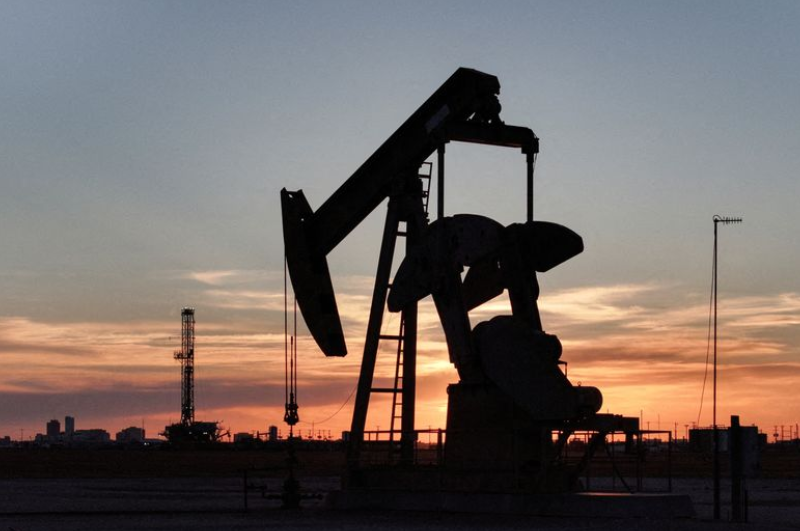
April 21, 2026: Global oil prices declined on Tuesday as renewed optimism around potential talks between the United States and Iran raised hopes of increased supply from the Middle East. The drop comes after a sharp rally in the previous session, highlighting the extreme volatility currently dominating energy markets.
Benchmark crude prices fell by over $1 per barrel in early trading. Brent crude slipped to around $94–95 per barrel, while U.S. West Texas Intermediate (WTI) dropped to roughly $87–88 per barrel. These declines reversed a strong surge seen a day earlier, when prices had jumped significantly amid fears of supply disruption.
The key factor behind the latest fall is the expectation that the United States and Iran may resume peace talks this week. Market participants believe that any diplomatic progress could lead to the reopening of supply routes and a gradual return of oil exports from the region.
The Middle East remains a critical hub for global oil production, and developments in the region have an immediate impact on prices. The Strait of Hormuz, in particular, plays a central role, as it handles nearly one-fifth of the world’s oil shipments. Any disruption—or reopening—of this route significantly influences global supply dynamics.
In recent days, tensions had escalated sharply, with Iran closing the Strait of Hormuz and the United States seizing an Iranian vessel as part of enforcement actions. These developments had pushed oil prices sharply higher, reflecting fears of a prolonged supply shock.
However, the prospect of renewed negotiations has shifted market sentiment. Investors are now betting that diplomatic engagement could ease tensions and restore flows of crude oil. This shift in expectations has led to a pullback in prices.
Recent reports indicate that oil prices are reacting strongly to headlines around the potential talks. Markets are balancing two opposing forces—geopolitical risk and the possibility of increased supply.
Despite the current decline, analysts caution that the situation remains highly uncertain. Talks between the U.S. and Iran are not guaranteed to succeed, and any breakdown in negotiations could quickly reverse the trend.
Moreover, even if an agreement is reached, restoring full oil supply may take time. Infrastructure damage, logistical challenges, and shipping disruptions could delay the return of normal supply levels.
Another factor influencing the market is the broader supply-demand balance. Recent disruptions have already tightened global inventories, and analysts warn that supply shortages could persist even with a ceasefire in place.
For consumers and economies, the movement in oil prices has significant implications. Lower crude prices can help ease inflationary pressures, particularly in countries heavily dependent on oil imports, such as India. However, continued volatility makes it difficult for businesses and policymakers to plan effectively.
Financial markets are also reacting to these developments. Lower oil prices tend to support equities by reducing input costs, while higher prices can trigger inflation concerns and weigh on growth. As a result, oil has become a key driver of broader market sentiment.
Experts emphasise that the current phase is largely driven by expectations rather than actual changes in supply. The mere possibility of increased oil flow is enough to move prices, underscoring how sensitive markets are to geopolitical developments.
Looking ahead, traders will closely monitor diplomatic signals, shipping activity in the Strait of Hormuz, and official statements from both Washington and Tehran. Any confirmation of talks—or setbacks—could lead to sharp price swings.
In conclusion, the recent fall in oil prices reflects growing optimism that US–Iran talks could ease tensions and reopen supply routes. However, the market remains fragile, with prices likely to stay volatile until there is clarity on the outcome of negotiations and the future of global oil supply.
Summary
Oil prices fell as hopes of US–Iran talks raised expectations of increased supply, easing disruption fears, though markets remain volatile amid uncertainty over negotiations and ongoing Middle East tensions.