

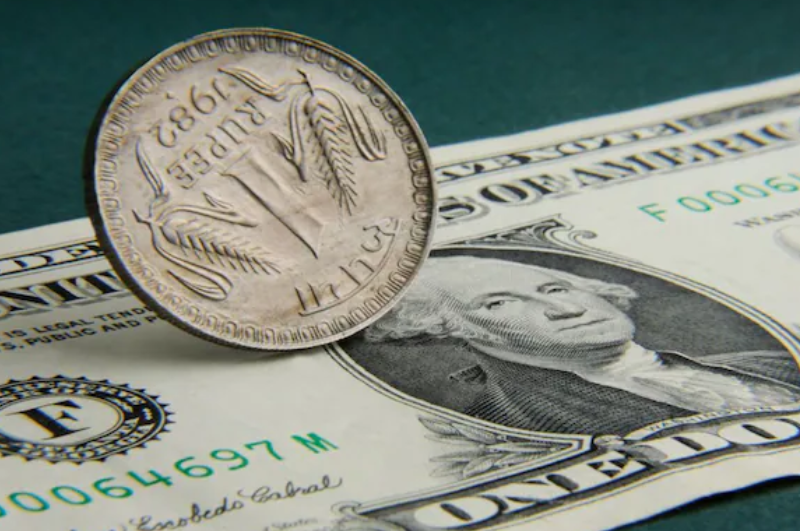
April 28, 2026 (Navroze Bureau) : The Indian rupee opened 18 paise weaker at ₹94.37 against the US dollar on Tuesday, pressured by a sharp rise in global crude oil prices, with Brent Crude Oil edging closer to the $110 per barrel mark.
Currency traders said the fall in the rupee reflects growing concerns over India’s import bill, as the country is heavily dependent on crude oil imports. Higher oil prices typically widen the current account deficit and increase demand for dollars, putting downward pressure on the rupee.
The surge in crude prices comes amid heightened geopolitical tensions in West Asia, which have raised fears of supply disruptions. Any instability in key oil-producing regions or shipping routes tends to push prices higher, impacting global markets.
In addition to oil price pressures, the rupee was also weighed down by a stronger US dollar in international markets. The dollar index has been firm due to safe-haven demand and expectations around interest rate trends, making emerging market currencies like the rupee more vulnerable.
Forex dealers noted that foreign fund outflows from Indian equities have further contributed to the currency’s weakness. When overseas investors pull money out, demand for dollars rises, adding pressure on the rupee.
However, some support for the rupee may come from the Reserve Bank of India (RBI), which is known to intervene in the currency market to prevent excessive volatility. Traders expect the central bank to closely monitor movements and step in if needed.
Market participants are also keeping an eye on domestic macroeconomic indicators, including inflation and trade data, which could influence the rupee’s trajectory in the coming days. Rising fuel prices may feed into inflation, complicating the policy outlook.
Analysts believe that if crude oil sustains near or above $110 levels, the rupee could remain under pressure in the near term. Conversely, any easing in geopolitical tensions or correction in oil prices may provide relief.
The broader impact of a weaker rupee includes higher costs for imports, especially fuel, which can lead to increased prices for consumers and businesses. On the flip side, exporters may benefit from a weaker currency as their goods become more competitive globally.
For now, the rupee’s movement is expected to remain closely tied to global cues, particularly oil prices and geopolitical developments. Traders will also watch for any signals from the RBI regarding its stance on currency management.
Summary
The rupee opened 18 paise lower at ₹94.37 against the dollar as Brent crude neared $110, with rising oil prices, global tensions, and foreign outflows putting pressure on the currency.