

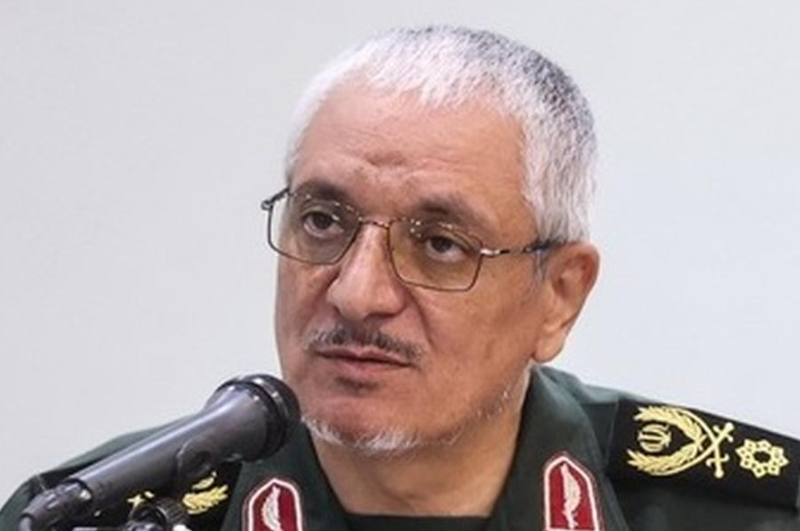
April 28, 2026 (Navroze Bureau) : Iran has declared that the United States is no longer in a position to dictate policy to other nations, marking a sharp escalation in rhetoric amid ongoing geopolitical tensions in West Asia.
The statement was made by Iranian Defence Ministry spokesperson Reza Talaei-Nik, who said that “the United States is no longer in a position to dictate its policy to independent nations.” He further added that Washington would eventually have to abandon what he described as “illegal and irrational demands.”
The remarks come at a time when relations between Iran and the United States remain strained despite a fragile ceasefire involving regional players. Negotiations aimed at achieving a long-term resolution have so far failed to produce concrete results, with both sides holding firm on key issues.
A major point of contention continues to be the strategic Strait of Hormuz, a vital route for global oil and gas shipments. Iran had earlier moved to restrict access to the waterway during the conflict, triggering significant disruptions in global energy markets and pushing oil prices higher.
The reopening of the strait has become central to ongoing diplomatic discussions. Reports indicate that Tehran has proposed allowing the passage of energy shipments under certain conditions, while broader negotiations on sanctions and security issues continue.
Iran’s latest comments also reflect a broader shift in its diplomatic messaging. Officials have emphasised the idea of “independent nations” resisting external pressure, positioning Iran as part of a wider bloc of countries seeking greater autonomy in global affairs.
This stance aligns with Tehran’s efforts to strengthen ties with non-Western alliances, including the Shanghai Cooperation Organisation (SCO). Iranian officials have even indicated a willingness to share defence capabilities with partner nations, signalling a push towards deeper strategic cooperation.
At the same time, tensions with Washington remain unresolved. Differences over Iran’s nuclear programme, sanctions, and regional influence continue to complicate negotiations. Recent diplomatic efforts, including indirect talks, have stalled, with both sides accusing each other of inflexibility.
Iran’s assertion that the U.S. can no longer dictate policy also appears to be a response to continued American pressure, including economic sanctions and military positioning in the region. Tehran has repeatedly argued that such measures violate its sovereignty and hinder meaningful dialogue.
From the U.S. perspective, officials maintain that any agreement must address concerns over Iran’s nuclear ambitions and regional activities. Washington has insisted that these issues cannot be postponed, further widening the gap between the two sides.
Analysts say the rhetoric from Iran is partly aimed at domestic and international audiences. By projecting defiance, Iranian leaders seek to reinforce their negotiating position and demonstrate resilience in the face of external pressure.
However, the situation remains complex. While both sides continue to exchange strong statements, there are also indications that backchannel diplomacy is ongoing. Iran has acknowledged that it is reviewing proposals for talks, suggesting that dialogue has not been completely ruled out.
The broader geopolitical context adds another layer of complexity. Ongoing conflicts involving regional actors, as well as tensions in neighbouring countries, have created an environment where even minor developments can have significant consequences.
Global markets are also closely watching the situation, particularly due to its impact on energy supplies. Any disruption in the Strait of Hormuz can affect a substantial portion of the world’s oil trade, making stability in the region a matter of international concern.
Experts warn that continued escalation in rhetoric could reduce the chances of a diplomatic breakthrough. At the same time, both sides appear to be keeping options open, balancing pressure with the possibility of negotiation.
In conclusion, Iran’s statement that the United States is no longer in a position to dictate policy underscores the deep divisions between the two countries. As negotiations remain stalled and tensions persist, the path forward will likely depend on whether both sides can find common ground on key issues.
Summary
Iran said the United States can no longer dictate global policy, highlighting ongoing tensions, stalled negotiations, and shifting geopolitical dynamics as both nations continue to clash over influence and regional security.