

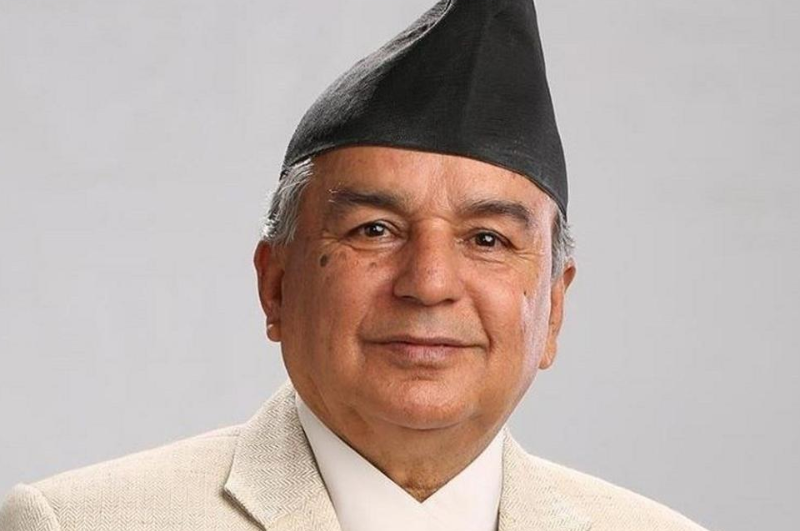
May 6 2026 (Navroze Bureau) : Nepal President Ramchandra Paudel has promulgated the long-debated Constitutional Council ordinance, ending days of political back-and-forth between the presidency and the government. The move comes after the Cabinet resent the ordinance without any changes, effectively obliging the President to approve it under constitutional provisions.
The ordinance relates to the functioning of the Constitutional Council, a key body responsible for recommending appointments to top constitutional positions, including the Chief Justice, heads of constitutional commissions, and other senior officials.
Back-and-Forth Before Approval
The development follows a period of uncertainty during which President Paudel had initially returned the ordinance to the government for reconsideration. He had raised concerns over certain provisions, particularly those related to quorum and decision-making processes within the council.
Under the revised ordinance, a meeting of the Constitutional Council can be conducted with the presence of four members, and decisions can be made by a majority of those present.
This marks a shift from earlier provisions, which required a higher quorum and emphasized consensus-based decision-making. Critics argue that the new framework could allow decisions to be taken with fewer members, potentially affecting transparency and inclusiveness.
Despite these concerns, the government, led by Prime Minister Balendra Shah, chose to resend the ordinance without modifications. According to constitutional experts, once an ordinance is returned and then resubmitted, the President is required to authenticate it.
What the Ordinance Means
The Constitutional Council plays a crucial role in Nepal’s governance structure. It recommends appointments to several high-level constitutional bodies, which in turn oversee areas such as elections, anti-corruption measures, and public service accountability.
By altering quorum and decision-making rules, the ordinance is expected to expedite appointments that have been pending for months. Observers note that several key positions have remained vacant, affecting the functioning of important institutions.
Supporters of the ordinance argue that it will help break deadlocks within the council and ensure timely decision-making. They contend that delays in appointments have hindered governance and administrative efficiency.
Concerns and Criticism
However, the ordinance has also drawn criticism from opposition parties and legal experts. Critics say the reduced quorum requirement could undermine the principle of collective decision-making and allow a smaller group to make significant appointments.
Some legal analysts had earlier advised the President to carefully consider the long-term implications of the ordinance, particularly its impact on the balance of power among constitutional bodies.
Opposition leaders have also questioned the government’s decision to push the ordinance without addressing the President’s concerns. They argue that such moves could set a precedent for bypassing broader consensus on important institutional changes.
Political and Constitutional Implications
The promulgation of the ordinance highlights the delicate balance between the executive and the presidency in Nepal’s constitutional framework. While the President has the authority to return ordinances for reconsideration, the final decision ultimately rests with the elected government if it chooses to resend the proposal.
This episode has sparked debate over the role of the President as a constitutional guardian versus the authority of the government to implement its policy agenda.
The issue also underscores ongoing tensions in Nepal’s political landscape, where governance reforms often intersect with power struggles among political actors.
Impact on Governance
With the ordinance now in effect, the government is expected to move quickly to fill vacant positions in key constitutional bodies. This could have a significant impact on the functioning of institutions responsible for oversight and accountability.
Analysts say that timely appointments could strengthen governance and improve administrative efficiency. However, they caution that the process must remain transparent and merit-based to maintain public trust.
What Lies Ahead
The ordinance is likely to remain a subject of political debate in the coming weeks, particularly as Parliament prepares to convene. Lawmakers may seek to review or replace the ordinance with legislation, providing an opportunity for broader discussion.
Meanwhile, the government’s handling of the issue will be closely watched, both domestically and internationally, as an indicator of Nepal’s commitment to democratic processes and institutional integrity.
Summary:
Nepal President Ramchandra Paudel promulgated the Constitutional Council ordinance after government resubmission, enabling key appointments but sparking debate over reduced quorum rules and concerns about transparency and governance.