

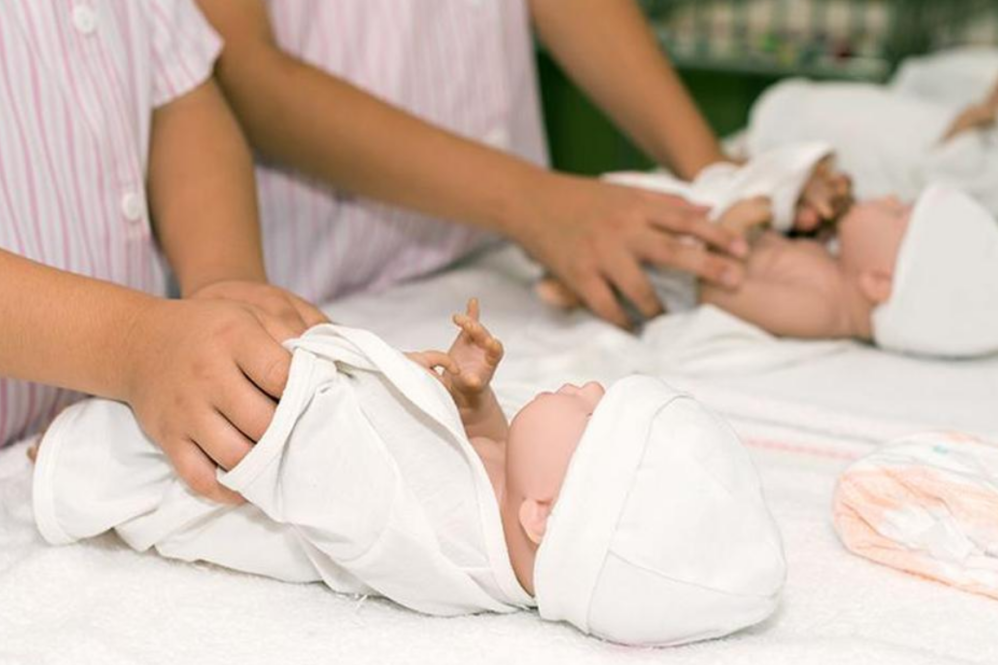
May 11 2026 (Navroze Bureau) : India observed Nationwide Neonatal Resuscitation Program Day 2026 with renewed emphasis on improving newborn survival through timely emergency care, skilled medical intervention, and stronger healthcare preparedness during childbirth.
The observance focused on the critical importance of helping newborn babies take their first breath safely, especially in emergency delivery situations where immediate medical response can determine survival and long-term health outcomes.
Importance of Neonatal Resuscitation
Neonatal resuscitation refers to the emergency medical support provided to newborns who fail to breathe adequately immediately after birth.
Medical experts explain that while most babies begin breathing naturally within seconds after delivery, some newborns require urgent assistance due to:
- Birth complications
- Premature delivery
- Oxygen deprivation
- Maternal health issues
- Delivery-related stress
Quick intervention by trained healthcare professionals can significantly reduce newborn deaths and prevent long-term neurological damage.
Focus on the ‘First Breath’
This year’s observance highlighted the idea that a newborn’s “first breath” is one of the most critical moments in human life.
Doctors say the first few minutes after birth are medically vital because delays in oxygen supply can rapidly affect:
- Brain function
- Heart activity
- Organ development
- Overall survival chances
The program therefore emphasizes rapid response training for healthcare workers handling childbirth.
Nationwide Healthcare Training Efforts
Under neonatal resuscitation initiatives, thousands of healthcare workers across India receive specialized training in:
- Basic newborn resuscitation
- Airway management
- Oxygen support
- Emergency stabilization
- Delivery room preparedness
The program particularly targets:
- Government hospitals
- Rural healthcare centers
- District hospitals
- Maternity clinics
where access to advanced neonatal intensive care may be limited.
Reducing Infant Mortality
India has made gradual progress in reducing infant and neonatal mortality rates over recent decades, but challenges remain.
Public health experts note that neonatal deaths still account for a major proportion of under-five child mortality in many regions.
Key causes include:
- Birth asphyxia
- Prematurity
- Infections
- Low birth weight complications
Programs focused on skilled birth care and neonatal resuscitation are therefore viewed as essential public health interventions.
Role of Skilled Birth Attendants
Healthcare specialists stress that trained birth attendants are often the difference between life and death during complicated deliveries.
Even simple interventions performed within the first “golden minute” after birth can dramatically improve outcomes.
This includes:
- Clearing airways
- Providing warmth
- Stimulating breathing
- Using bag-mask ventilation when necessary
Experts say consistent training and simulation exercises improve emergency response efficiency.
Rural Healthcare Challenges
While urban hospitals increasingly have access to advanced neonatal care systems, rural and remote areas still face challenges such as:
- Limited trained personnel
- Equipment shortages
- Delayed referrals
- Transportation barriers
The Nationwide Neonatal Resuscitation Program aims to reduce these disparities through wider healthcare training coverage.
Technology and Simulation Training
Modern neonatal resuscitation programs increasingly use:
- Simulation-based learning
- Digital training modules
- Real-time assessment systems
- Portable neonatal equipment
These methods help healthcare workers practice emergency scenarios safely before facing real-life cases.
Medical educators say repeated simulation improves confidence and decision-making under pressure.
Public Health and Maternal Care Connected
Experts emphasize that neonatal survival is closely linked to maternal healthcare quality.
Healthy pregnancies, institutional deliveries, prenatal monitoring, and timely obstetric care all contribute to reducing emergency birth complications.
Integrated maternal and newborn care systems are therefore considered critical for improving survival rates.
Global Health Importance
International health organizations continue encouraging countries to strengthen neonatal emergency care systems as part of broader child health goals.
The World Health Organization and other global agencies have repeatedly emphasized the importance of skilled newborn care during delivery.
Reducing preventable neonatal deaths remains a major global public health priority.
Healthcare Workers Honored
The observance also recognized the role of doctors, nurses, midwives, pediatricians, and frontline health workers involved in maternal and newborn care.
Medical professionals working in high-pressure delivery environments often handle life-saving interventions within seconds of birth.
Their role became especially visible during healthcare crises and resource-constrained situations.
Awareness and Community Education
Public health campaigns linked to the program also aim to increase awareness regarding:
- Institutional deliveries
- Prenatal care
- Early medical intervention
- Danger signs during pregnancy and childbirth
Experts say community awareness helps families seek medical care more quickly during emergencies.
Long-Term Health Benefits
Improving neonatal resuscitation systems not only saves lives but can also reduce:
- Developmental disabilities
- Long-term neurological complications
- Chronic health conditions caused by oxygen deprivation
Early intervention therefore carries both immediate and lifelong health benefits.
Conclusion
Nationwide Neonatal Resuscitation Program Day 2026 highlighted India’s growing focus on ensuring every newborn receives immediate and effective support during the critical first moments of life.
By strengthening healthcare training, expanding emergency newborn care, and improving delivery preparedness, the initiative continues contributing to efforts aimed at reducing preventable neonatal deaths and giving more children a safer, healthier start to life.
Summary:
Nationwide Neonatal Resuscitation Program Day 2026 highlighted India’s efforts to strengthen newborn emergency care, healthcare training, and survival support to help babies safely take their first breath after birth.