

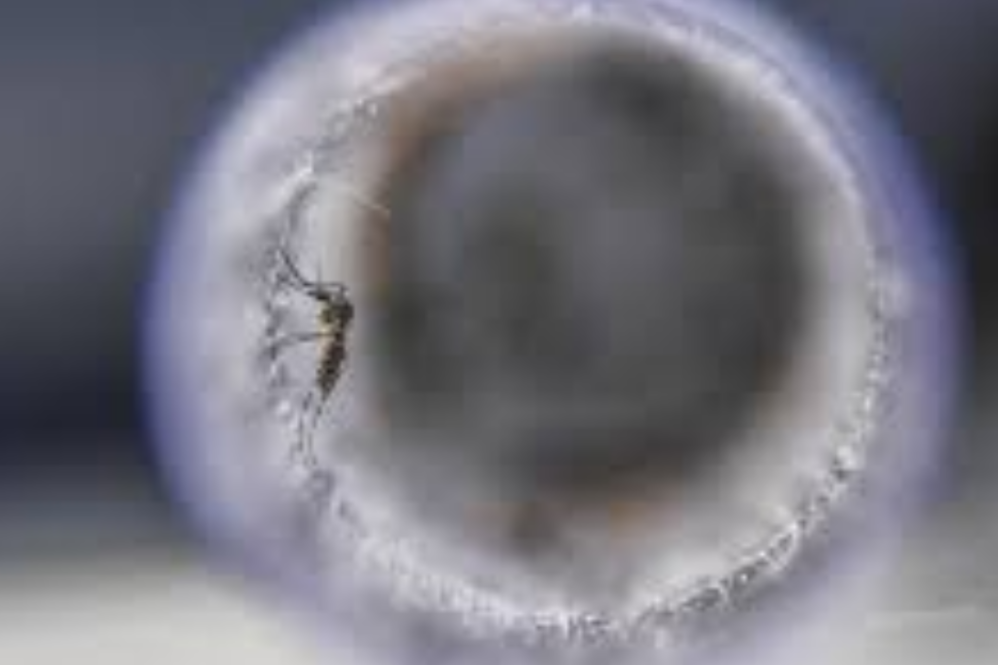
May 12 2026 (Navroze Bureau) : Brazil is facing a worsening public health challenge as rising cases of Dengue continue spreading faster than the country’s deployment of virus-blocking mosquitoes designed to slow transmission.
Health authorities and researchers say innovative mosquito-control programs using Wolbachia bacteria have shown encouraging results in some regions, but the rapid growth of dengue infections is currently outpacing the scale and speed of these interventions.
Brazil Faces Severe Dengue Pressure
Brazil has experienced repeated dengue outbreaks in recent years, but health experts warn that current infection levels have become especially concerning due to:
- Climate conditions
- Urban population density
- Mosquito breeding expansion
- Increased rainfall patterns
- Public health infrastructure strain
Hospitals and healthcare systems in some regions have reported rising patient numbers linked to mosquito-borne illnesses.
What Is Dengue?
Dengue is a viral disease spread primarily by infected Aedes aegypti mosquitoes.
Symptoms may include:
- High fever
- Severe headaches
- Joint and muscle pain
- Skin rash
- Nausea
- Fatigue
In severe cases, dengue can lead to dangerous complications including bleeding, organ damage, and potentially fatal shock syndrome.
Virus-Blocking Mosquito Program
Brazil has increasingly used mosquitoes carrying Wolbachia bacteria as part of its anti-dengue strategy.
Wolbachia is a naturally occurring bacterium that can reduce mosquitoes’ ability to transmit viruses such as:
- Dengue
- Zika
- Chikungunya
Scientists release Wolbachia-infected mosquitoes into communities so they breed with local mosquito populations, gradually increasing the percentage of mosquitoes less capable of spreading disease.
Promising but Slow Expansion
Researchers say the Wolbachia strategy has demonstrated positive results in several pilot regions by reducing transmission rates.
However, experts caution that:
- Deployment takes time
- Large urban areas are difficult to cover
- Mosquito populations reproduce rapidly
- Dengue outbreaks can spread quickly during rainy seasons
As a result, the pace of infections currently exceeds the speed at which virus-blocking mosquito coverage can expand nationwide.
Climate Change Worsening Mosquito Spread
Public health specialists increasingly link climate change to worsening mosquito-borne disease patterns.
Warmer temperatures and irregular rainfall can:
- Expand mosquito habitats
- Increase breeding cycles
- Extend transmission seasons
Experts warn that tropical and subtropical countries may face more frequent and intense outbreaks in coming years.
Urbanization Adds Challenges
Rapid urbanization in parts of Brazil has also contributed to mosquito-control difficulties.
Standing water, overcrowding, and inconsistent sanitation systems create favorable conditions for mosquito breeding.
Health authorities continue urging communities to eliminate stagnant water sources around homes and neighborhoods.
Healthcare Systems Under Pressure
The surge in dengue infections has placed pressure on healthcare facilities dealing with:
- Emergency admissions
- Pediatric cases
- Intensive monitoring needs
- Laboratory testing demand
Doctors warn that severe outbreaks can overwhelm hospitals, especially during peak transmission periods.
Global Interest in Wolbachia Technology
The Wolbachia mosquito strategy has attracted global scientific attention as countries search for alternatives to traditional mosquito-control methods.
Conventional approaches such as:
- Insecticide spraying
- Fogging operations
- Larvicide treatments
have faced limitations due to:
- Mosquito resistance
- Environmental concerns
- Temporary effectiveness
Wolbachia-based interventions are viewed as potentially more sustainable long-term solutions.
Public Cooperation Remains Essential
Experts stress that mosquito-control programs alone cannot fully stop dengue transmission without strong community participation.
Authorities continue encouraging people to:
- Remove standing water
- Use mosquito repellents
- Install window protection
- Seek early medical care for symptoms
Public awareness campaigns remain central to prevention efforts.
Research and Vaccine Development Continue
Scientists worldwide continue researching:
- Dengue vaccines
- Improved mosquito-control systems
- Faster diagnostics
- Climate-related disease forecasting
Several vaccine programs have shown progress, though large-scale implementation challenges remain.
WHO and Regional Health Concerns
The World Health Organization has repeatedly warned about the growing global threat posed by mosquito-borne diseases.
Latin America has experienced major dengue outbreaks in recent years, with health officials emphasizing the need for:
- Strong surveillance systems
- Regional coordination
- Climate adaptation planning
- Better vector-control strategies
Brazil Expanding Intervention Programs
Brazilian authorities reportedly continue scaling up mosquito intervention projects despite the challenges.
Expansion plans involve:
- Additional mosquito release zones
- Research partnerships
- Local health coordination
- Public education campaigns
Scientists remain optimistic that broader Wolbachia coverage could significantly reduce future outbreaks if implemented at sufficient scale.
Conclusion
Brazil’s struggle against rapidly rising Dengue infections highlights the growing difficulty of controlling mosquito-borne diseases in a warming and increasingly urbanized world.
While virus-blocking mosquito technology offers promising long-term potential, health experts warn that expanding outbreaks continue moving faster than current intervention efforts. Authorities now face mounting pressure to combine innovative science, public cooperation, and stronger healthcare preparedness to contain future dengue surges.
Summary:
Brazil’s dengue outbreak is spreading faster than deployment of virus-blocking Wolbachia mosquitoes, increasing pressure on healthcare systems and highlighting challenges posed by climate change and urban mosquito growth.