

May 13: 2026 (Navroze Bureau) : The Pentagon has revealed that the cost of the ongoing U.S. military conflict involving Iran has risen to nearly $29 billion, highlighting the escalating financial burden of the war amid growing political and economic scrutiny in United States.
The updated estimate was disclosed during congressional budget hearings in Washington, where senior defense officials discussed rising operational and equipment-related costs linked to the conflict.
War Costs Continue Rising
According to Pentagon officials, the estimated cost has increased by approximately $4 billion from the previous assessment released just weeks earlier, when the war’s expense was estimated at $25 billion.
Officials said the updated figure includes:
- Operational military expenses
- Equipment repair costs
- Replacement of damaged systems
- Deployment and logistics expenditures
The Pentagon acknowledged that the estimate may continue rising as military assessments and operational requirements evolve.
Congressional Hearings Intensify Scrutiny
The cost estimate was presented during hearings involving:
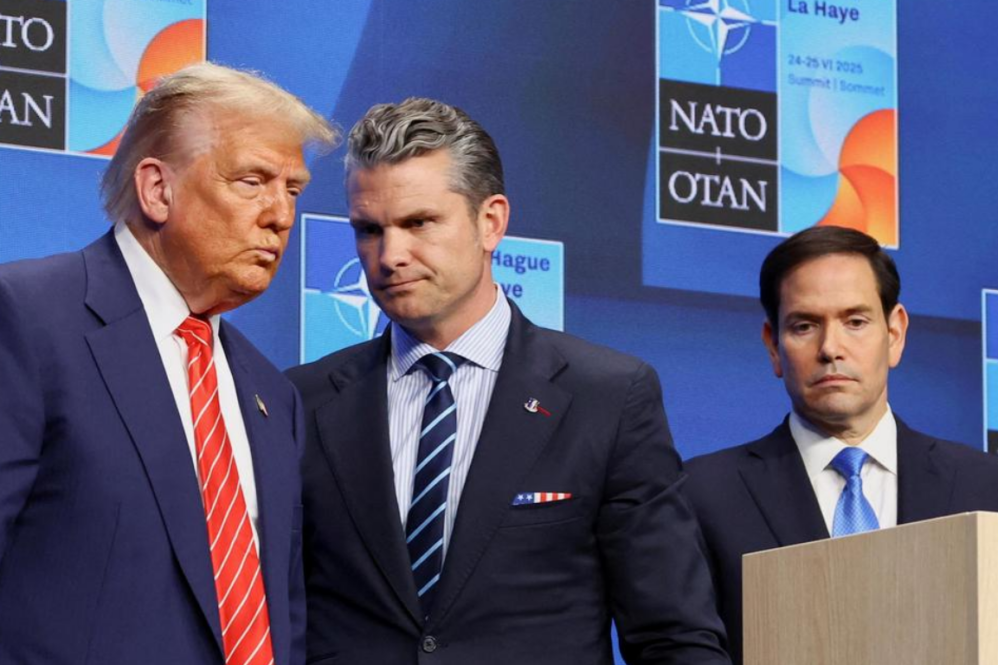
- Defense Secretary Pete Hegseth
- Joint Chiefs Chairman Dan Caine
- Pentagon finance officials
Lawmakers from both major political parties reportedly demanded greater transparency regarding:
- Long-term funding needs
- Military readiness
- Supplemental budget requests
- Future operational planning
Questions surrounding the conflict’s financial impact are becoming increasingly important ahead of upcoming U.S. political contests.
Operational Costs Driving Increase
Pentagon officials stated that much of the increase resulted from:
- Repair and replacement of military equipment
- Sustained troop deployments
- Air and naval operational expenses
- Weapons replenishment
Defense analysts note that modern warfare involving advanced precision systems can rapidly generate enormous costs due to expensive munitions and equipment maintenance.
Earlier Costs Were Already Significant
Reports earlier in the conflict suggested that the first several days alone may have cost the U.S. military more than $11 billion, largely due to intensive use of advanced weapons systems and military assets.
The latest figures suggest the overall financial burden has continued growing steadily over the course of the conflict.
Political Pressure Increasing
The war’s rising cost has become a major political issue within the United States.
Opposition lawmakers and critics argue that:
- War spending could worsen fiscal pressure
- Rising military costs may affect domestic priorities
- Inflation and energy prices are already hurting consumers
Supporters of the administration, however, maintain that military operations remain necessary for national security and regional stability.
Economic Effects Extend Beyond Defense Budget
Economists warn that the financial consequences of the conflict may extend beyond direct military spending.
Potential wider impacts include:
- Higher oil prices
- Inflationary pressure
- Supply chain disruption
- Increased federal deficits
- Market volatility
The conflict has already contributed to concerns regarding global energy security and shipping routes in the Middle East.
Military Readiness Questions Raised
Some lawmakers also expressed concern about how prolonged conflict could affect U.S. military preparedness.
Questions have reportedly been raised regarding:
- Weapons stockpiles
- Equipment replacement timelines
- Readiness for other global threats
- Defense manufacturing capacity
Pentagon officials defended the military’s operational capability while acknowledging that long-term planning remains under review.
Future Costs Remain Uncertain
Pentagon representatives admitted that predicting future expenses remains difficult because several uncertainties continue affecting military planning.
These include:
- Regional security conditions
- Base reconstruction needs
- Duration of deployments
- Allied support contributions
Officials indicated that additional funding requests may eventually be submitted to Congress.
Global Attention on Conflict
The U.S.-Iran conflict continues attracting significant international attention because of its implications for:
- Global oil markets
- Middle East stability
- Maritime trade routes
- International diplomacy
Countries worldwide remain closely monitoring developments due to fears of broader regional escalation.
Debate Over Long-Term Economic Burden
Some analysts believe the true long-term financial impact could become much larger once:
- Veteran care costs
- Equipment modernization
- Strategic rebuilding
- Regional aid commitments
are fully considered.
Historical comparisons with previous conflicts have intensified debate over how prolonged military campaigns affect national finances.
Conclusion
The Pentagon’s updated estimate that the U.S.-Iran war has now cost nearly $29 billion underscores the growing financial and political pressure surrounding the conflict.
As military operations continue and broader economic concerns mount, debates over defense spending, national security priorities, and the long-term consequences of the war are expected to intensify across the United States and international community.
Summary:
The Pentagon says the U.S.-Iran war has cost nearly $29 billion so far, with operational and equipment expenses rising amid increasing political scrutiny and broader economic concerns.