

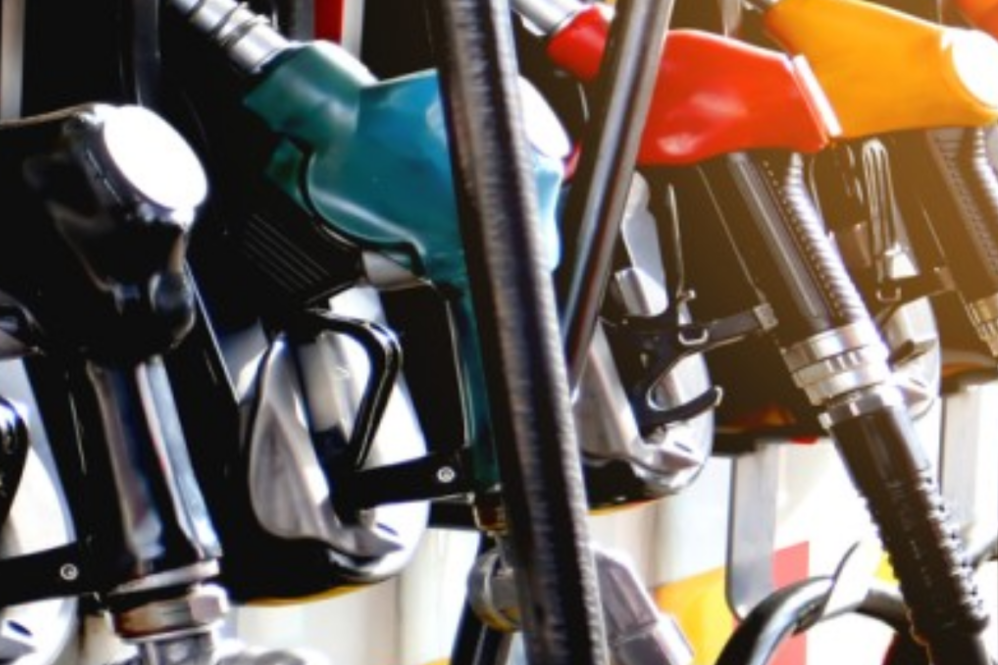
May 25 : 2026 (Navroze Bureau) : India has raised fuel prices for the fourth time in recent weeks as rising global crude oil prices and growing geopolitical uncertainty continue placing pressure on consumers and the broader economy.
The latest increase in petrol, diesel, and related fuel products has intensified concerns over inflation, transportation costs, and household expenses across the country. Consumers, businesses, and opposition parties have sharply reacted to the repeated hikes, warning that the rising cost of energy could further strain middle-class families and small businesses.
Officials and market analysts linked the latest revision primarily to volatility in international crude oil markets, where supply concerns and geopolitical tensions have pushed prices higher.
Global Oil Crisis Impacts India
India imports a large portion of its crude oil requirements, making domestic fuel prices highly sensitive to global market fluctuations.
Recent instability in international energy markets has been influenced by:
- Middle East tensions
- Supply chain disruptions
- Production uncertainties
- Shipping route risks
- OPEC+ production policies
- Currency fluctuations
Energy experts say fears regarding disruptions in global oil supply routes have significantly contributed to rising crude prices internationally.
The ongoing uncertainty surrounding the Strait of Hormuz and broader West Asian tensions has particularly worried markets because a major share of global oil trade passes through the region.
Consumers Feel Inflation Pressure
The repeated increase in fuel prices is expected to directly impact transportation costs, logistics expenses, and prices of daily essentials.
Economists warn that higher fuel costs usually create a cascading inflationary effect across sectors such as:
- Food distribution
- Public transport
- Agriculture
- Manufacturing
- Delivery services
- Construction
For ordinary households, rising fuel prices often lead to increased monthly spending on commuting, cooking gas, and essential goods.
Many consumers expressed frustration over repeated hikes, especially as food prices and utility expenses remain elevated in several regions.
Petrol And Diesel Prices Rise Again
Oil marketing companies revised petrol and diesel prices upward for the fourth time amid sustained pressure from global crude markets.
Although the exact increase varied across states due to local taxes and transportation costs, the latest revision pushed retail fuel rates higher in major cities.
Several transport operators and commercial vehicle owners warned that repeated hikes could eventually lead to increased freight charges and higher passenger fares.
Opposition Criticises Government
Opposition parties strongly criticized the Centre over the fresh increase in fuel prices.
Leaders from opposition groups accused the government of failing to provide relief despite rising public hardship and inflationary pressure.
Several politicians argued that high fuel taxes continue contributing significantly to retail price increases.
Critics also claimed the government should reduce excise duties or introduce temporary relief measures to ease pressure on consumers.
Government Defends Pricing
Government representatives defended the pricing mechanism, stating that India remains vulnerable to global energy market volatility because of its dependence on imported crude oil.
Officials argued that despite international challenges, India has managed inflation better than many economies worldwide.
The government also highlighted efforts aimed at expanding renewable energy capacity, ethanol blending, and energy diversification to reduce long-term oil dependency.
Impact On Transportation And Industry
Industry experts warned that sustained fuel inflation could affect transportation and logistics sectors significantly.
Truck operators, taxi unions, delivery companies, and agricultural transporters are among those most directly affected by rising diesel prices.
Higher transportation costs often eventually pass on to consumers through increased product prices.
Small businesses and manufacturing units may also face operational pressure due to rising energy expenses.
Rupee And Oil Prices Linked
Currency movement has also influenced fuel pricing pressure.
A weaker Indian rupee against the US dollar increases the cost of importing crude oil because global oil trade is largely conducted in dollars.
Financial analysts say fluctuations in currency markets combined with geopolitical uncertainty have created additional stress for oil-importing countries like India.
Experts Warn Of Broader Inflation Risk
Economists cautioned that repeated fuel price hikes could complicate inflation management efforts.
Central banks and policymakers worldwide remain focused on controlling inflation while balancing economic growth concerns.
If crude oil prices remain elevated for an extended period, inflationary pressure may continue affecting:
- Consumer spending
- Industrial growth
- Transportation
- Agriculture
- Retail prices
Some experts believe the government may eventually face pressure to intervene through tax adjustments or subsidy measures if fuel prices continue climbing sharply.
Renewable Energy Push Gains Importance
The latest fuel price hike has also renewed discussions regarding India’s long-term energy transition strategy.
Experts say rising fossil fuel costs highlight the importance of:
- Electric vehicles
- Renewable energy
- Public transportation
- Green hydrogen
- Ethanol blending
- Energy efficiency
The government has already announced multiple initiatives aimed at reducing dependence on imported oil over coming decades.
However, analysts note that India’s economy still remains heavily dependent on conventional fuels for transportation, industry, and daily consumption.
Public Reaction Grows Online
Fuel prices once again became a major talking point across social media platforms, where users expressed concern over rising living costs.
Hashtags related to petrol prices, inflation, diesel hikes, and household expenses trended online following the latest announcement.
Many users shared concerns regarding the cumulative effect of rising fuel, food, and utility prices on family budgets.
Market Outlook Remains Uncertain
Energy analysts believe fuel price trends will continue depending largely on global crude oil movement and geopolitical developments.
Any further escalation in Middle East tensions or disruption to major shipping routes could push oil prices even higher internationally.
Conversely, easing geopolitical risks or increased oil production could help stabilize markets.
For now, however, India’s fourth fuel price increase reflects the growing impact of the global oil crisis on domestic consumers already struggling with broader inflationary pressure.