

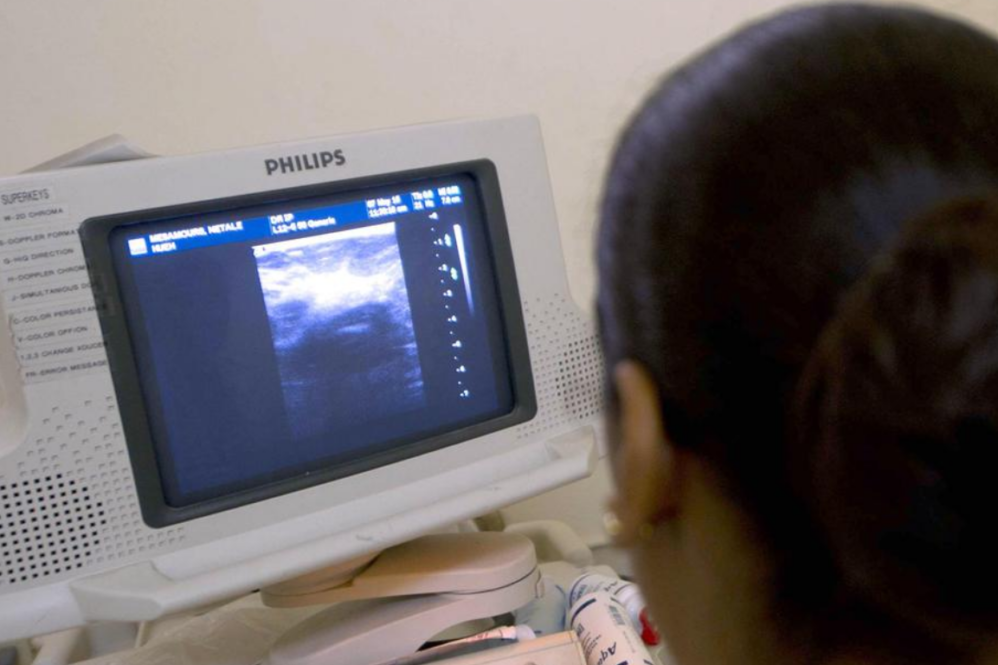
23 June 2026 (Navroze Bureau) : Medical experts and healthcare professionals are increasingly calling for reforms to India’s regulatory framework governing ultrasonography, arguing that while ultrasound technology has advanced significantly over the past few decades, the laws overseeing its use have not evolved at the same pace.
At the center of the debate is the need to balance the prevention of sex-selective practices with ensuring timely access to essential diagnostic services for patients.
A Technology That Has Transformed Healthcare
Ultrasonography has become one of the most widely used diagnostic tools in modern medicine.
Today, ultrasound technology is used for:
- Pregnancy monitoring
- Cardiac examinations
- Cancer detection
- Emergency medicine
- Liver and kidney assessments
- Musculoskeletal imaging
- Critical care monitoring
Advancements have made ultrasound more accurate, portable and accessible than ever before.
Existing Law And Its Purpose
India’s ultrasound regulations are primarily governed by the Pre-Conception and Pre-Natal Diagnostic Techniques Act, enacted to curb female foeticide and sex-selective abortions.
The law prohibits the misuse of prenatal diagnostic techniques for determining the sex of a fetus and has played a significant role in addressing gender-based discrimination.
Concerns Raised By Medical Professionals
Many healthcare practitioners argue that while the objective of the law remains important, its implementation can sometimes create administrative burdens that affect routine medical practice.
Doctors and radiologists have highlighted concerns such as:
- Extensive documentation requirements
- Delays in equipment approvals
- Regulatory complexity
- Fear of punitive action for procedural errors
- Reduced access in underserved areas
They contend that these challenges can hinder the efficient delivery of healthcare.
Growing Need For Reform
Experts suggest that regulations should reflect current medical realities while maintaining strict safeguards against misuse.
Proposed reforms include:
- Digitization of compliance systems
- Risk-based monitoring
- Simplified record-keeping procedures
- Faster approval mechanisms
- Enhanced training and awareness programmes
Supporters believe such measures could improve healthcare access without weakening protections against sex determination.
Balancing Ethics And Access
Public health specialists stress that any changes must preserve the original intent of preventing gender-biased practices.
At the same time, they argue that regulations should not unintentionally restrict access to life-saving diagnostic services, particularly in rural and underserved regions.
Role In Modern Healthcare
Ultrasound is increasingly used as a first-line diagnostic tool because it is:
- Non-invasive
- Radiation-free
- Cost-effective
- Widely available
- Suitable for repeated use
Its growing importance in medical care has intensified calls for a regulatory framework that supports innovation while maintaining accountability.
Policy Debate Continues
The discussion around modernizing ultrasound regulations reflects a broader challenge faced by policymakers—ensuring that laws keep pace with technological advances while protecting public interests.
Healthcare experts say a carefully balanced approach could help improve patient care and strengthen India’s diagnostic infrastructure.
Key Takeaway
As ultrasonography becomes increasingly vital across multiple medical specialties, experts argue that India’s regulatory framework should evolve to reflect technological progress. While safeguarding against sex-selective practices remains essential, many believe reforms could reduce compliance burdens and improve access to critical diagnostic services.