

10 Aug 2026 (Navroze Bureau) : Farhan Akhtar’s Dil Chahta Hai remains one of Hindi cinema’s most influential films, celebrated for redefining friendship, urban youth culture and the idea of growing up.
Yet, viewed through a contemporary lens, the film’s portrayal of its female characters and their careers reveals a striking limitation: while the men are given ambitions, professions and personal journeys, the women are largely defined through their relationships with them.
A Landmark Film About Friendship
Released in 2001, Dil Chahta Hai captured the changing aspirations of India’s urban youth.
The film’s three protagonists — Akash, Sameer and Siddharth — are presented as individuals with distinct personalities, ambitions and conflicts.
Their friendship, romantic relationships and transition into adulthood became deeply relatable for an entire generation.
Where Are the Women’s Careers?
The film’s women are memorable, but their professional lives receive little attention.
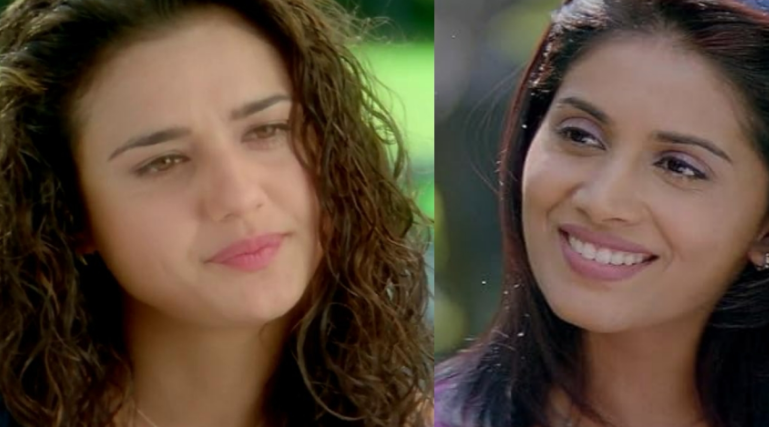
Shalini is primarily presented through her relationship with Akash, while Tara Jaiswal is defined largely by her emotional struggles and connection with Siddharth.
Their personal stories are given depth, but their careers and independent ambitions remain largely unexplored.
The Gender Gap in the Story
The contrast becomes particularly noticeable because the male characters are allowed to exist beyond romance.
Akash has a professional identity, Sameer has his own work life and Siddharth is an artist with a clear creative ambition.
The women, by comparison, are mostly positioned within the emotional journeys of the men.
Still Ahead of Its Time
Despite this limitation, Dil Chahta Hai broke away from many conventions of mainstream Hindi cinema.
Its modern friendships, realistic conversations, unconventional romance and depiction of urban India influenced countless films that followed.
Its shortcomings therefore do not erase its cultural importance, but they do reveal how ideas of modernity were still largely centred on men.
A Film Worth Rewatching Differently
More than two decades later, Dil Chahta Hai can be appreciated both for what it changed and for what it failed to question.
The film gave a generation a new language for friendship and adulthood, but its women deserved equally developed lives beyond the men around them.