

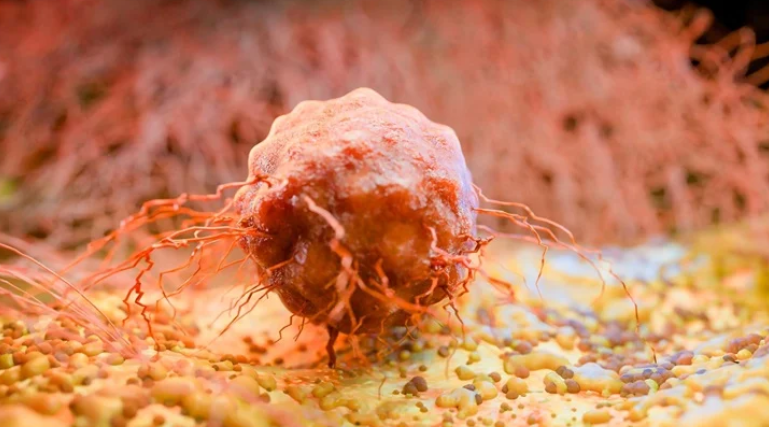
13 Aug 2026 (Navroze Bureau) : Circadian oncology, also known as cancer chronotherapy, is an emerging approach that explores whether the time of day a cancer treatment is given can influence how effectively it works and how well patients tolerate it. Research suggests the body’s 24-hour biological clock affects immune activity, metabolism, DNA repair and other processes involved in cancer.
Why Timing Matters
The circadian rhythm regulates biological functions throughout the day. These fluctuations can influence both tumour biology and the immune system, potentially changing how cancer cells respond to treatment and how healthy tissues handle drugs.
Morning Treatment Shows Promise
Recent clinical research has generated particular interest in the timing of immunotherapy.
A randomized study involving 210 patients with advanced non-small-cell lung cancer found that patients receiving PD-1 immunotherapy before 3 p.m. had longer tumour-control periods and longer median overall survival than those treated later in the day.
A 2026 systematic review and meta-analysis covering 29 studies and 6,129 patients likewise found an association between earlier immunotherapy administration and improved overall and progression-free survival.
Could It Reduce Side Effects?
Chronotherapy is not only about improving treatment effectiveness. Earlier research suggests that carefully timed cancer treatment may also reduce certain toxicities, including gastrointestinal toxicity and suppression of bone-marrow function.
Not Every Cancer Treatment Has the Same Timing
The evidence is still developing, and there is no universal “best time” for every cancer therapy.
The optimal timing may depend on the type of cancer, treatment being used, the patient’s biological clock and other individual factors. Some studies of chemotherapy and radiotherapy have produced mixed results.
Toward Personalised Cancer Care
Researchers are increasingly interested in moving beyond a simple “morning versus evening” approach toward personalised chronotherapy, potentially taking an individual’s circadian pattern into account.
If validated in larger studies, adjusting treatment schedules could become a relatively simple way of potentially improving outcomes without changing the underlying drug.
Important Caveat
These findings do not mean cancer patients should independently change their treatment appointments or medication schedules. Treatment timing should be determined by the oncology team because clinical protocols depend on the specific cancer, therapy and patient.