

29 September 2026 (Navroze Bureau) Hospitals in Visakhapatnam marked World Heart Day 2026 by highlighting the importance of early detection, preventive heart care and faster treatment for cardiovascular emergencies.
The initiatives came as health experts warned that heart disease is increasingly affecting younger Indians, with some cardiologists reporting coronary artery disease and heart attacks among people in their 30s and 40s.
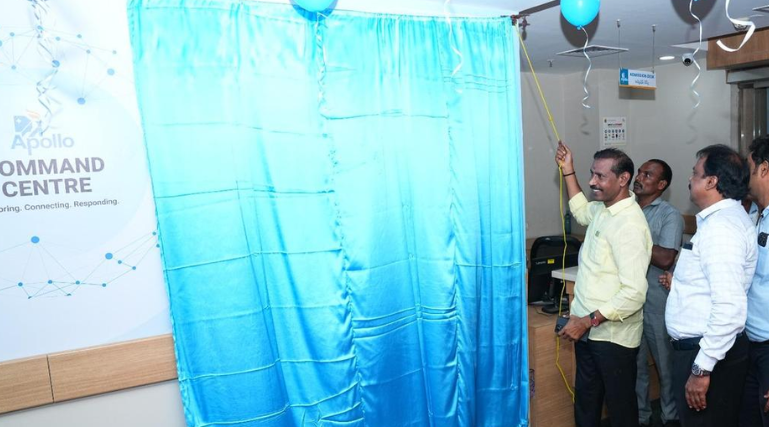
Apollo Hospitals Launches Advanced Cardiac Command Centre
As part of its World Heart Day programme, Apollo Hospitals in Visakhapatnam launched an advanced cardiac command centre.
The facility integrates a smart ambulance network, tele-ECG services, connected-care devices, telemedicine and an airport medical centre.
Through the ambulance network, ECG readings and vital signs can be transmitted to specialists while a patient is being transported. This allows medical and cath-lab teams to assess the situation and prepare for treatment before the patient reaches the hospital.
AI-Based Cardiac Risk Assessment Introduced
Apollo Hospitals also introduced an AI-based cardiac risk score designed to assess a person’s 10-year cardiovascular disease risk.
The system categorises risk into low, moderate and high levels, with the broader campaign encouraging people to understand their cardiovascular risk before symptoms develop.
Doctors Highlight Earlier Heart Disease
Cardiologists at the event said heart disease can develop much earlier than commonly assumed.
Dr. N.K. Panigrahi said that a significant proportion of heart attacks occur in people below 45, underlining the importance of early identification and timely treatment.
He also emphasised that prevention should begin at a young age, including greater awareness of blood pressure, cholesterol, diabetes and obesity.
Heart Attacks Increasingly Seen in Younger Adults
Doctors at KIMS Hospitals, Seethammadhara, also highlighted the changing age profile of coronary artery disease.
Interventional cardiologist Dr. Ganesh Kasinadhuni said the condition, traditionally associated with older people, is increasingly being seen among patients in their late 30s and 40s.
Risk factors cited by doctors include abdominal obesity, diabetes, sedentary lifestyles, workplace stress, diets high in refined carbohydrates, smoking, alcohol consumption and genetic predisposition.
Warning Signs Should Not Be Ignored
Doctors urged people not to dismiss symptoms such as chest pressure during exertion, unusual breathlessness or pain spreading to the jaw, arm or back.
Early medical evaluation can be important because delays in seeking treatment during a heart attack can reduce the opportunity for timely intervention.
Regular Health Checks Encouraged
Experts recommended regular monitoring of key cardiovascular risk factors, particularly blood pressure, blood sugar and lipid levels.
People with a family history of heart disease or other risk factors may need earlier or more frequent assessments based on medical advice.
World Heart Day Theme: ‘Don’t Miss a Beat’
World Heart Day is observed on September 29. This year’s campaign message, “Don’t Miss a Beat,” focuses on recognising cardiovascular warning signs and taking action before heart problems become life-threatening.
The campaign also places emphasis on preventive care and making people more aware of their individual heart-health risks.
Visakhapatnam Strengthens Cardiac Care
The initiatives in Visakhapatnam reflect a broader shift toward preventive cardiology and technology-assisted emergency care.
By connecting ambulances, hospitals and specialists, healthcare providers aim to reduce delays between the onset of a cardiac emergency and the start of treatment.
Early Detection Remains Key
The World Heart Day activities underline a simple message: cardiovascular disease should not be treated only after symptoms become severe.
Regular health checks, awareness of risk factors and prompt medical attention for warning signs can help identify problems earlier and improve preparedness for emergencies.