

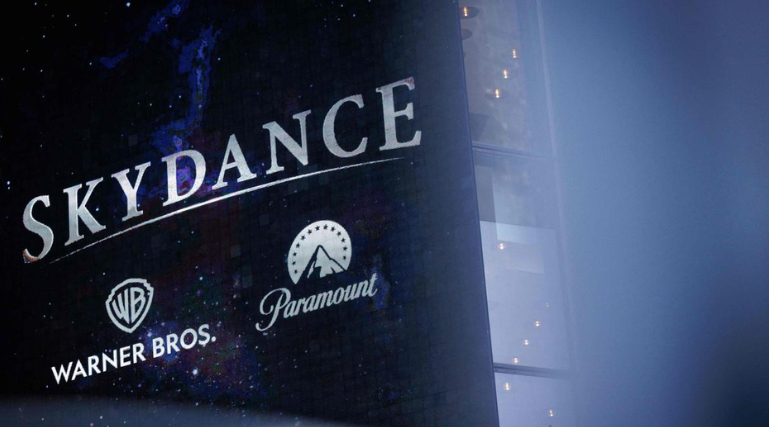
7 October 2026 (Navroze Bureau) Paramount and Warner Bros have moved to combine their businesses in a major Hollywood deal that will create a powerful new entertainment giant under the Skydance banner. The merger brings together two of the most recognised names in the global film and television industry and is expected to reshape competition across Hollywood.
The combination marks a significant development in an entertainment market that has undergone rapid changes in recent years. Traditional film studios and television companies have faced growing pressure from streaming platforms, changing consumer habits, rising production costs and increasing competition for audiences worldwide.
Paramount and Warner Bros each bring major entertainment assets, popular franchises and extensive libraries of film and television content to the new organisation. The combined business is expected to have a stronger presence across theatrical releases, television production, streaming and other forms of entertainment distribution.
Skydance has played an important role in the Paramount relationship and has become central to the company’s evolving corporate structure. The merger is expected to create a larger-scale Hollywood operation capable of competing more aggressively in an industry increasingly dominated by companies with significant financial resources and global distribution networks.
For the entertainment sector, the deal is significant because both Paramount and Warner Bros control valuable intellectual property and long-running franchises. Their combined content portfolio could provide the new company with opportunities to develop existing properties across films, television series, streaming programmes and other formats.
The merger also comes at a time when Hollywood studios are reassessing their strategies. The rapid expansion of streaming changed the traditional economics of entertainment, with companies investing billions of dollars in original programming while simultaneously trying to control costs and improve profitability.
A larger combined company could potentially benefit from greater economies of scale. Production, marketing, technology, distribution and corporate operations could be consolidated in certain areas, allowing the organisation to use its resources more efficiently. At the same time, integrating two major entertainment companies could present significant operational challenges.
The deal is also expected to attract attention from regulators and industry stakeholders. Large media mergers can face scrutiny over competition, market concentration and the impact on consumers, creators and other businesses. Regulatory reviews can influence the timing and final structure of major transactions.
For filmmakers, actors, writers and other entertainment professionals, the merger could create both opportunities and uncertainty. A larger content company may have greater resources to finance major productions and develop international projects. However, mergers can also result in restructuring as companies seek to eliminate overlapping operations and control expenses.
Consumers are likely to focus particularly on what the deal could mean for streaming services and content availability. Both companies have significant libraries and established entertainment brands. A combined business could have more flexibility in deciding how films and television programmes are distributed between theatrical releases, streaming platforms, licensing agreements and other channels.
The merger could also influence Hollywood’s competitive landscape. Major entertainment companies have increasingly sought scale as they compete with technology-driven platforms and global streaming services. A larger Paramount-Warner Bros combination could strengthen the new company’s bargaining position in distribution and content partnerships.
Another important factor will be how the company manages its portfolio of brands. Paramount and Warner Bros have built strong identities over decades, and their individual studios, television operations and franchises have substantial recognition among audiences. Maintaining the value of those brands while creating an integrated corporate structure will be a key challenge.
The deal may also encourage further consolidation across the entertainment industry. Smaller and mid-sized companies could become potential acquisition targets as larger players look for additional content, technology and distribution capabilities.
For investors and the broader media industry, the transaction represents a bet that scale will remain increasingly important in the global entertainment business. Producing high-quality content requires substantial investment, while attracting and retaining audiences has become more competitive.
The combined Skydance organisation will therefore face the challenge of balancing ambitious content production with financial discipline. Its ability to make successful films and television programmes, build sustainable streaming businesses and monetise its intellectual property globally will be closely monitored.
The merger represents more than the combination of two major Hollywood names. It reflects the broader transformation taking place across the entertainment industry, where traditional studios are adapting to streaming, international competition and changing audience preferences.
If successfully integrated, the new company could emerge as one of Hollywood’s most influential entertainment groups. Its scale, content portfolio and global reach could give it a stronger position in the increasingly competitive market for films, television and streaming entertainment.