

8 October 2026 (Navroze Bureau) Pune Municipal Corporation (PMC) has issued show-cause notices to four ward malaria officers following a significant rise in dengue and chikungunya cases across the city. The civic health department has sought explanations from the officials over the increase in mosquito-borne diseases and the effectiveness of preventive measures in their respective areas.
The notices have been issued to malaria officers from the Kothrud, Nagar Road-Wadgaonsheri, Aundh-Baner and Dhankawadi-Sahakarnagar ward offices. These areas have reported a relatively high number of dengue infections, prompting the civic administration to intensify its mosquito-control and disease-surveillance efforts.
Pune recorded 2,391 dengue cases and 106 chikungunya cases between January 1 and September 30. Dengue infections increased sharply during the monsoon period, with the number of cases rising from 166 in June to 518 in July, 751 in August and 956 in September.
September emerged as the worst month of the year so far, accounting for a substantial proportion of the total dengue cases reported in the city. The rapid rise has raised concerns among health officials about mosquito breeding and the effectiveness of preventive measures at the ward level.
Kothrud reported the highest number of dengue cases, with 229 infections. It was followed by Nagar Road-Wadgaonsheri with 222 cases and Aundh-Baner with 212 cases. Dhankawadi-Sahakarnagar recorded 139 cases, while Yerawada-Kalas-Dhanori reported 137 cases.
Chikungunya has also shown an increase during the monsoon season. Pune recorded 51 chikungunya cases in July, 39 in August and 16 in September. Aundh-Baner reported the highest number of chikungunya infections, with 19 cases.
PMC officials have asked the concerned ward officers to explain the reasons behind the increase in infections and provide details of the preventive action taken in their jurisdictions. The officers have also been directed to submit action-taken reports detailing mosquito-control activities and disease surveillance.
The civic administration has emphasised that ward-level officials must respond quickly whenever a cluster or sudden increase in mosquito-borne diseases is detected. Officials have been instructed to conduct house-to-house inspections, identify mosquito breeding sites and undertake preventive measures in affected areas.
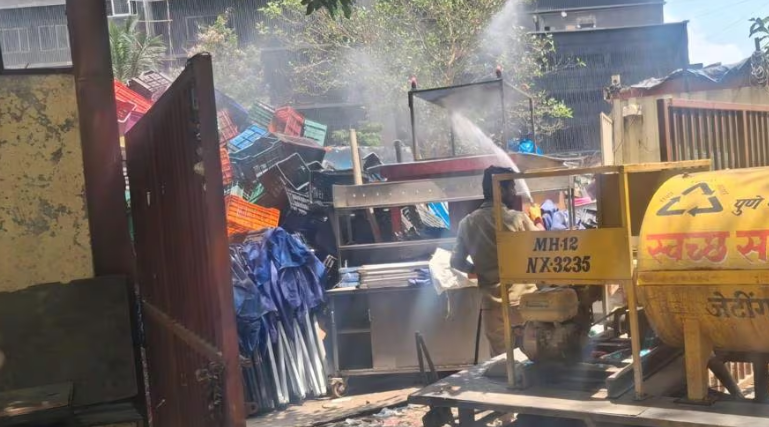
PMC’s outbreak-control strategy includes inspections within a five-kilometre radius of areas where cases are detected. Health teams are expected to conduct container surveys, fever surveys and mosquito-breeding inspections. Spraying and fogging activities are also being carried out wherever necessary.
Officials have been instructed to continue these measures for around 15 days in areas experiencing an outbreak. The objective is to identify breeding sites, destroy mosquito larvae and prevent further transmission of dengue and chikungunya.
The Aundh-Baner area has received particular attention because of the chikungunya cases reported there. Several infections were linked to a housing society, raising concerns about mosquito breeding conditions in and around residential premises.
An entomological survey also detected mosquito breeding at a PMC godown belonging to the anti-encroachment department. Accumulated material at the premises was found to have created conditions conducive to mosquito breeding.
Following the inspection, the health department issued directions to clean the premises and remove materials that could collect stagnant water. PMC teams subsequently carried out mosquito-control operations, including the application of biolarvicide, spraying and fogging.
The civic body has also increased inspections of residential societies, construction sites, commercial establishments and public premises. Officials are focusing on locations where stagnant water can accumulate and provide breeding grounds for Aedes mosquitoes, which transmit dengue and chikungunya.
Health officials have stressed that controlling mosquito-borne diseases requires cooperation from residents and institutions. People have been advised to regularly empty water containers, clean rooftop tanks, remove discarded items that can collect rainwater and ensure that water-storage facilities remain properly covered.
The increase in dengue cases during September has put additional pressure on PMC’s health department. The issuance of notices to four malaria officers signals a stronger focus on accountability and ward-level implementation of preventive measures.
The civic administration is expected to continue surveillance in high-risk areas and intensify mosquito-control operations. Officials are also monitoring fever cases and suspected infections so that affected individuals can be identified and treated at an early stage.
With dengue and chikungunya remaining major seasonal health concerns, PMC’s immediate priority is to reduce mosquito breeding and prevent further spread of infection. The response of ward-level health teams will remain crucial as the city works to control the latest surge in cases.