

28 October 2026 (Navroze Bureau) Autoimmune diseases develop when the body’s immune system mistakenly attacks its own healthy cells, tissues or organs instead of protecting them from harmful invaders. Although researchers have made significant progress in understanding these conditions, the exact cause of most autoimmune diseases remains unknown. Experts believe that a combination of genetic susceptibility, environmental exposures, hormonal influences and certain infections may contribute to their development.
There are more than 80 recognised autoimmune diseases, affecting different parts of the body. Some conditions primarily target particular organs, while others can affect multiple systems. Common examples include rheumatoid arthritis, lupus, multiple sclerosis and type 1 diabetes.
What Happens Inside the Body?
The immune system normally identifies and fights harmful organisms, including bacteria and viruses. It also has mechanisms that help it distinguish the body’s own healthy tissues from foreign threats.
In people with autoimmune diseases, these protective mechanisms can become disrupted. Certain immune cells may begin recognising healthy tissues as threats, while the body may produce antibodies that target its own cells. This can lead to inflammation, tissue damage and changes in how affected organs function.
The symptoms depend on the condition and the body parts involved. For example, rheumatoid arthritis can cause painful, swollen joints, while type 1 diabetes develops when the immune system attacks insulin-producing cells in the pancreas.
Genetics May Increase the Risk
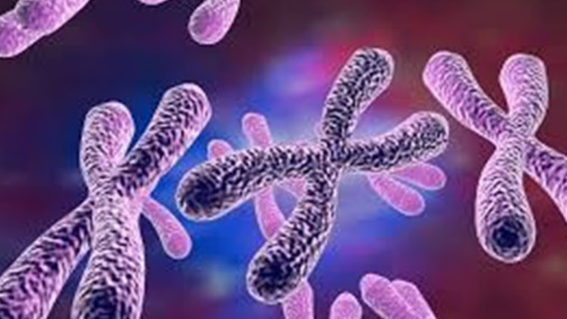
Genetics is one important factor associated with autoimmune diseases. People who have close relatives with certain autoimmune conditions may have a higher risk of developing one themselves.
However, inheriting a genetic predisposition does not necessarily mean that a person will develop an autoimmune disease. Multiple genes may influence how the immune system works, and other factors can contribute to whether the condition eventually develops.
Researchers believe that the interaction between genetic susceptibility and environmental influences helps explain why some people develop autoimmune diseases while others with similar genetic backgrounds do not.
Can Infections Trigger Autoimmune Diseases?
Certain infections may contribute to the development of some autoimmune conditions. Researchers are investigating how viruses and bacteria can influence immune responses and, in susceptible individuals, potentially disrupt the body’s ability to recognise its own tissues.
One possible explanation is that some microbial proteins resemble proteins found in human tissues. An immune response initially directed against an infection may, in certain circumstances, also react against the body’s own cells.
However, this does not mean that every infection causes an autoimmune disease. The relationship varies between conditions, and the role of specific infections is still being investigated.
Environmental Factors and Lifestyle
Environmental exposures may also influence autoimmune disease risk. Research has associated certain conditions with factors such as smoking, exposure to particular industrial chemicals and silica dust, and other environmental influences.
Hormones and differences in immune function may also help explain why many autoimmune diseases are more common in women than in men.
Stress is another factor being studied because it can affect immune and hormonal responses. However, stress alone should not be considered a proven cause of autoimmune disease, and researchers have not established a single explanation that applies to every condition.
Similarly, diet and nutritional status may influence immune function, but there is no universal diet that has been shown to prevent all autoimmune diseases.
Why Are Autoimmune Diseases Difficult to Predict?
Autoimmune diseases can develop gradually, and symptoms may appear long after the underlying immune changes begin. Early signs can include persistent fatigue, joint pain, unexplained rashes, muscle weakness or recurring inflammation. These symptoms are not specific to autoimmune diseases and can have many other causes.
Diagnosis therefore depends on the person’s medical history, physical examination and appropriate investigations. Depending on the suspected condition, doctors may recommend blood tests, antibody testing, imaging or other specialised examinations.
No single blood test can reliably diagnose every autoimmune disease. Test results must be interpreted alongside symptoms and clinical findings.
Can Autoimmune Diseases Be Prevented or Treated?
There is currently no proven way to prevent every autoimmune disease because their causes differ and are not fully understood. However, avoiding smoking, reducing harmful workplace exposures and maintaining general health can help reduce certain risks.
Treatment depends on the specific condition and its severity. Doctors may use medicines to reduce inflammation, control abnormal immune activity, manage symptoms or prevent organ damage. Some conditions can be managed effectively with ongoing treatment, although many require long-term medical care.
Researchers continue to investigate the genetic, environmental and immune-system mechanisms involved in these diseases. A better understanding of these processes could eventually help identify people at risk earlier and lead to more targeted treatments.
The central message from current research is that autoimmune diseases generally do not have one simple cause. They are often the result of several biological and environmental factors interacting over time, and having a risk factor does not mean a person will inevitably develop the condition.