

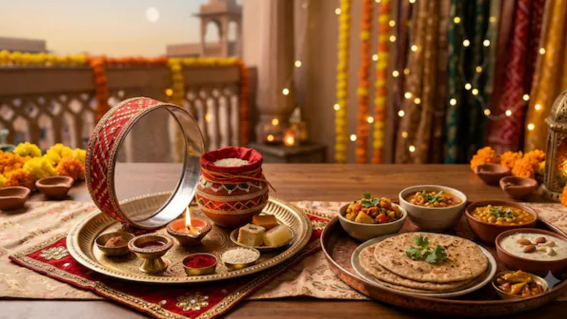
29 October 2026 (Navroze Bureau) Karwa Chauth is observed by many women across India with a day-long fast that traditionally involves abstaining from both food and water until the moon is sighted. While the festival holds deep cultural and emotional significance, nutrition experts say that what women eat before the fast and how they break it afterwards can affect their energy levels, hydration and digestive comfort.
After going without food and water for several hours, it can be tempting to enjoy a large festive dinner filled with sweets, fried snacks and rich dishes. However, nutritionists advise against treating the first post-fast meal as an opportunity to overeat. Eating slowly, drinking water gradually and choosing a balanced dinner can help people return to their usual eating routine more comfortably.
Speaking to NDTV, nutritionist Pooja Malhotra highlighted common dietary mistakes associated with Karwa Chauth and explained why preparation and moderation are important throughout the fasting period.
Why You Should Avoid Overeating After Karwa Chauth
After a full day of fasting, hunger can make it difficult to judge how much food the body needs. Some people may eat quickly or consume larger portions than usual, particularly when a festive meal includes several tempting dishes.
According to nutrition experts, a very heavy meal immediately after fasting can contribute to bloating, acidity, reflux and general digestive discomfort in susceptible individuals. Deep-fried foods, very spicy dishes and large quantities of sweets may make these symptoms more noticeable.
Malhotra recommends beginning with small sips of water or coconut water, followed by a modest amount of fruit if desired, before moving on to a balanced meal.
The key is to eat mindfully rather than trying to compensate for the entire day without food. A normal, balanced dinner is generally sufficient; there is no need to force yourself to eat extra portions simply because you have been fasting.
Start by Rehydrating Your Body
For people observing a traditional fast without water, rehydration is an important consideration when the fast ends. Begin by drinking water slowly instead of consuming a large quantity all at once.
Coconut water is another option for those who tolerate it, although plain water is generally sufficient for routine rehydration. There is no requirement to consume special drinks or expensive electrolyte products after every fast.
Adequate hydration should also begin before the fasting day. Drinking fluids regularly during the preceding day is more sensible than attempting to compensate by drinking excessive amounts just before the fast begins.
Thirst, headaches, dizziness and reduced urination can be signs of dehydration. Severe weakness, fainting or confusion should not be dismissed as normal effects of fasting and require prompt medical attention.
Choose a Balanced Meal Instead of Fried Food
Once you have started rehydrating, choose a meal that combines carbohydrates, protein and vegetables rather than relying entirely on sweets or fried snacks.
Simple home-cooked options include moong dal khichdi with curd, roti with dal and cooked vegetables, or vegetable dalia accompanied by a suitable protein source. Paneer and curd can also help provide protein for those following a vegetarian diet.
These meals provide a mix of nutrients without requiring an elaborate dinner. You can still enjoy traditional festive foods, but keeping fried items and sweets to moderate portions can help avoid excessive fullness.
There is no single food that everyone must eat after Karwa Chauth. Individual food preferences, medical conditions and digestive tolerance should guide meal choices.
Do Not Treat Sargi as an Eating Challenge
Nutritionists also advise against overeating during Sargi, the pre-dawn meal consumed before the fast begins. Eating an excessively large breakfast does not guarantee that hunger will disappear throughout the day.
Instead, the goal should be to start the fast feeling comfortably satisfied and adequately hydrated. A balanced Sargi can include whole-wheat roti or vegetable dalia, curd or paneer, seasonal fruit and a small portion of nuts.
Protein, fibre, complex carbohydrates and healthy fats can help make the meal more satisfying. By contrast, a breakfast dominated by sugary foods and refined carbohydrates may provide less sustained fullness.
Very salty foods, excessive sweets and deep-fried snacks may also contribute to thirst or digestive discomfort in some people. Portions should be based on individual appetite rather than the belief that eating more will automatically make the fast easier.
Pay Attention to Warning Signs
Not everyone responds to prolonged fasting in the same way. Hydration, underlying health conditions, medication and usual eating habits can influence how a person feels during and after the fast.
People with diabetes, kidney or heart disease, low blood pressure, or those taking medicines that require regular food or fluids should seek medical advice before undertaking a prolonged fast. Pregnant and breastfeeding women should also discuss fasting with their healthcare professional.
For people with diabetes, prolonged fasting can cause potentially dangerous changes in blood glucose levels and increase the risk of dehydration. Medication schedules should not be changed without medical guidance.
If you experience fainting, confusion, severe weakness or persistent vomiting, seek medical help rather than continuing the fast at the expense of your health.
Enjoy the Festival Without Compromising Your Health
Karwa Chauth is an occasion of tradition, celebration and family gatherings, and nutritious eating does not mean giving up every festive dish. The important consideration is portion size, hydration and a gradual return to regular meals.
Start with water, eat at a comfortable pace and choose a balanced dinner. If you want to enjoy a sweet or a favourite festive snack, have a moderate portion instead of making it the main part of your meal.
The central advice from nutrition experts is simple: fasting does not require a feast afterwards. Eating mindfully can help reduce discomfort and make the celebration more enjoyable, while individual medical needs should always take priority.