

23 October 2026 (Navroze Bureau) The African Union has called for urgent and coordinated action to contain the ongoing Ebola outbreak across Africa, as the spread of the Bundibugyo virus to additional countries raises concerns about regional public health security. Health authorities are urging governments to strengthen disease surveillance, contact tracing, cross-border cooperation and emergency preparedness to prevent further transmission.
The Africa Centres for Disease Control and Prevention (Africa CDC), the African Union’s public health agency, has warned that the outbreak requires stronger political commitment and a faster response from affected and at-risk countries. The virus has been reported in the Democratic Republic of the Congo (DRC), Kenya and Nigeria, while Uganda has stated that it currently has no confirmed active cases.
The outbreak began in the Democratic Republic of the Congo in May 2026 and has continued to challenge public health authorities. Its spread across Central, Eastern and Western Africa has increased the need for countries to coordinate their response, share information quickly and ensure that suspected cases are identified and managed without delay.
Africa CDC Director-General Dr Jean Kaseya has called for greater solidarity among African countries and international partners. He has stressed that the outbreak is crossing national borders and requires a response supported by adequate resources, effective coordination and decisive leadership.
African health ministers are scheduled to take part in a high-level virtual meeting on October 28, 2026. The meeting is expected to assess the evolving outbreak, improve cooperation between countries, accelerate support for affected communities and strengthen preparedness in countries considered at risk.
The discussions are also expected to contribute to preparations for a summit of African heads of state and government under the leadership of Burundi President Évariste Ndayishimiye, who chairs the African Union.
Nigeria’s confirmation of an Ebola case has added urgency to the regional response. The patient was reported to have travelled from Uganda to Abuja, Nigeria, and was subsequently diagnosed with the infection. Nigerian health authorities have placed the patient in isolation and begun contact tracing to identify people who may have been exposed.
According to reports, Nigerian officials had identified 44 contacts following confirmation of the case. Health authorities are monitoring those contacts and strengthening surveillance to reduce the risk of further transmission. Uganda, meanwhile, has disputed the assumption that travel through its territory proves the infection originated there, saying the location of exposure remains under investigation.
Kenya has also reported cases linked to the ongoing outbreak, prompting additional monitoring and containment measures. The situation in the Democratic Republic of the Congo remains a major concern for health officials, who are continuing efforts to identify cases, trace contacts and provide care to affected patients.
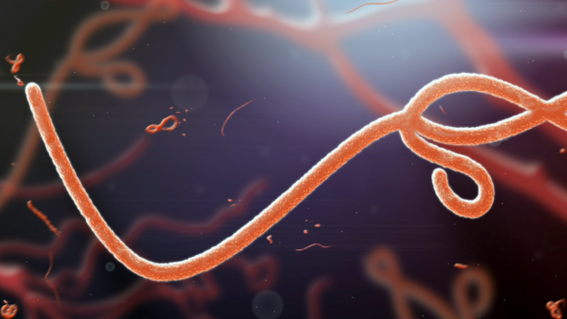
The outbreak is caused by the Bundibugyo strain of the Ebola virus. There is currently no licensed vaccine or specific approved treatment for this strain, making early detection, supportive medical care and infection-prevention measures particularly important. Research and vaccine trials are underway, but health authorities continue to rely heavily on established outbreak-control practices.
Ebola is a severe viral disease that can spread through direct contact with the blood or other bodily fluids of an infected person, or through contaminated materials. Health officials emphasise the importance of isolating suspected cases, protecting healthcare workers, maintaining safe infection-control procedures and communicating accurate information to communities.
Authorities are also being urged to improve screening and surveillance where appropriate, strengthen laboratory testing capacity and ensure that frontline health workers have the equipment and training needed to respond safely. Community engagement remains important because early reporting of symptoms and cooperation with contact-tracing teams can help interrupt transmission.
The African Union has previously expressed concern about the risk of regional spread and called on member states and international partners to increase support for preparedness and emergency response. Africa CDC has also highlighted the need for reliable funding, medical supplies, trained responders and stronger surveillance systems.
The upcoming ministerial meeting will provide an opportunity for countries to review gaps in their response and agree on practical steps to improve coordination. Officials are expected to focus on accelerating assistance to affected countries while helping neighbouring states prepare for possible imported cases.
The African Union and Africa CDC are calling for a united response to contain the outbreak, protect healthcare workers and communities, and prevent further geographical spread. Health authorities say sustained cooperation, timely reporting and adequate resources will be essential to controlling the situation.