

6 February 2026 (Navroze Bureau) : Health authorities in Chennai have stepped up surveillance and preventive measures after cases of avian influenza, commonly known as bird flu, were detected in poultry and wild birds in parts of Tamil Nadu. While the situation has raised public concern, officials and medical experts maintain that the risk to humans remains low, provided standard safety protocols are followed.
Bird flu is caused by influenza A viruses that primarily infect birds. Certain strains, such as H5N1 and H7N9, are known to be highly pathogenic in poultry and have, in rare cases, infected humans. Following recent detections, state animal husbandry and public health departments have increased monitoring in and around affected areas to prevent the spread of the virus.
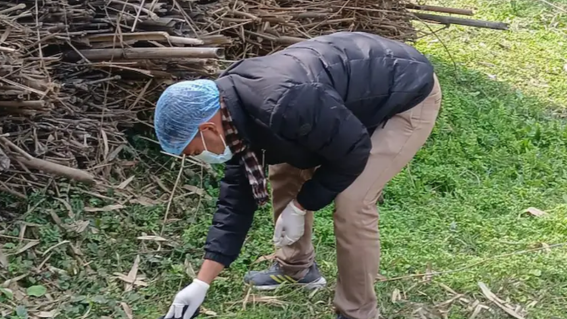
In Chennai, authorities have intensified surveillance at poultry farms, live bird markets, and areas frequented by migratory birds. Samples from birds are being tested regularly, and movement restrictions have been imposed in designated zones to limit transmission. As a precautionary measure, culling operations are carried out where necessary, following national and international guidelines.
Officials have stressed that these steps are preventive and aimed at containing the virus within animal populations. So far, no confirmed human cases linked to the current outbreak have been reported in Chennai or elsewhere in the state. Health departments have also advised hospitals and clinics to remain vigilant and report any unusual respiratory illnesses.
Medical experts explain that bird flu viruses do not spread easily from birds to humans. Human infections are usually associated with direct and prolonged contact with infected birds or contaminated environments, such as poultry farms or live bird markets. Casual contact, such as being in the same area as birds, does not generally pose a significant risk.
One of the key concerns during bird flu alerts is whether the virus can mutate and spread efficiently among humans. According to virologists, while influenza viruses do evolve, such mutations are rare and closely monitored worldwide. At present, there is no evidence to suggest that the strains detected pose a pandemic threat.
Public health officials have urged people not to panic and to rely on verified information. They have reiterated that properly cooked poultry products, including chicken and eggs, are safe to consume. Cooking food at high temperatures destroys the virus, eliminating the risk of transmission through diet.
Authorities have also issued guidelines for poultry workers, farmers, and vendors, who are considered at higher risk due to occupational exposure. These include wearing protective gear, maintaining hygiene, and reporting any unusual bird deaths promptly. Regular health check-ups and monitoring of exposed individuals are also being carried out.
For the general public, doctors recommend simple preventive measures such as frequent handwashing, avoiding contact with sick or dead birds, and following food safety practices. People experiencing flu-like symptoms, especially those with known exposure to poultry, are advised to seek medical attention without delay.
The Tamil Nadu government has coordinated with central agencies to ensure adequate preparedness. Stockpiles of antiviral medications, personal protective equipment, and testing kits are being reviewed to handle any potential escalation. Awareness campaigns are also being conducted to educate communities about bird flu and dispel misinformation.
Experts point out that India has dealt with bird flu outbreaks in the past, and established protocols have helped prevent large-scale human infections. Early detection, rapid response, and inter-departmental coordination are considered critical in managing such situations effectively.
Environmental factors, including migratory bird patterns, play a role in the spread of avian influenza. Chennai’s coastal location and wetlands attract migratory birds, making surveillance especially important during certain seasons. Wildlife departments are working alongside health agencies to monitor bird populations and identify potential risks early.
Despite heightened vigilance, health officials emphasise that the current situation is under control. Continuous monitoring, transparent communication, and public cooperation are key to ensuring that bird flu does not pose a significant threat to human health.
As surveillance tightens in Chennai, experts reassure residents that there is no cause for alarm. With appropriate precautions and awareness, the risk of human infection remains minimal, and authorities are prepared to respond swiftly should the situation change.
Summary
Bird flu surveillance has intensified in Chennai after detections in birds, but health experts say human risk remains low, urging precautions, proper hygiene, and calm as authorities monitor the situation closely.