

9 January 2026: China’s consumer prices rose modestly in December, increasing by 0.8% year-on-year, according to official data, but inflation for the full year 2025 remained largely unchanged. The figures underline the persistent challenges facing the world’s second-largest economy as weak domestic demand, cautious consumer spending, and uneven recovery continue to weigh on price growth.
The December uptick in consumer prices was driven mainly by higher food costs, seasonal demand, and selective price increases in services. However, economists say the rise does not signal a sustained inflationary trend. Instead, it reflects short-term factors at the end of the year rather than a broad-based rebound in consumption.
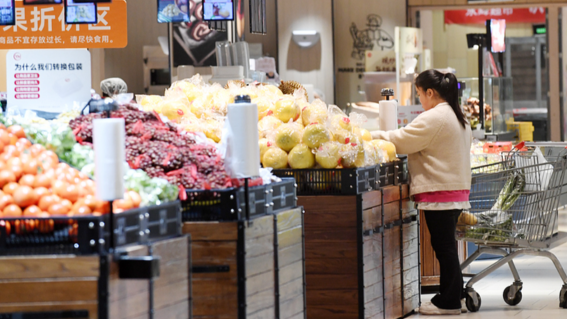
Food prices, particularly pork and fresh produce, contributed significantly to December’s inflation reading. Pork prices, a key component of China’s consumer price index (CPI), have shown volatility due to changes in supply and seasonal consumption patterns. In addition, increased holiday-related spending lifted prices in transport, tourism, and dining sectors.
Despite the December rise, China’s overall inflation in 2025 remained flat, highlighting subdued consumer confidence. Throughout the year, households remained cautious amid concerns over income growth, employment stability, and the ongoing property sector slowdown. This reluctance to spend has kept price pressures muted across most categories.
Core inflation, which excludes volatile food and energy prices, also stayed weak, reinforcing the view that domestic demand remains fragile. Analysts note that while manufacturing activity has shown some improvement, it has not translated into stronger household consumption. Instead, many consumers continue to prioritise savings over discretionary spending.
China’s leadership has repeatedly emphasised the need to boost domestic demand as a key pillar of economic growth. However, the latest inflation data suggest that stimulus measures so far have had limited impact on consumer behaviour. Retailers have relied heavily on discounts and promotions to attract buyers, further suppressing price growth.
The flat inflation trend gives policymakers room to maintain accommodative monetary policies. With inflation well below official comfort levels, authorities have flexibility to cut interest rates or inject liquidity if economic conditions weaken further. Analysts expect the central bank to remain supportive, focusing on stabilising growth rather than curbing price pressures.
At the same time, policymakers face a delicate balance. Excessive stimulus could inflate asset bubbles, while insufficient support risks prolonging weak demand. The steady inflation reading suggests that deflationary risks, though easing slightly, have not disappeared entirely.
Global factors have also played a role in shaping China’s inflation dynamics. Lower global commodity prices and subdued external demand have helped keep import costs in check. At the same time, slowing global growth has reduced export momentum, indirectly affecting income and consumption at home.
For businesses, the low-inflation environment has been a mixed blessing. While stable prices help control input costs, weak pricing power has squeezed margins in sectors such as retail, manufacturing, and services. Companies continue to face pressure to innovate, cut costs, and seek overseas markets to sustain profitability.
Consumers, on the other hand, have benefited from stable prices, particularly for non-essential goods. However, the lack of inflation also reflects limited wage growth and job uncertainty, which dampen spending appetite. Economists stress that a healthy level of inflation is often associated with stronger demand and economic vitality.
Looking ahead, analysts expect inflation to remain modest in the near term. Any sustained rise will depend on improvements in employment, income growth, and confidence in the housing market. Government measures aimed at supporting households, encouraging consumption, and stabilising the property sector could gradually lift price pressures if they gain traction.
The December data provide a snapshot of an economy still searching for momentum. While the rise in consumer prices at year-end offers a small sign of improvement, the unchanged inflation trend for 2025 underscores the scale of the challenge facing policymakers.
As China navigates a complex economic landscape, inflation will remain a key indicator to watch. For now, the figures suggest stability rather than strength, reinforcing the need for targeted reforms and sustained policy support to revive consumer demand and ensure balanced growth.
Summary
China’s consumer prices rose 0.8% in December, but inflation stayed flat in 2025, highlighting weak domestic demand and giving policymakers room to maintain supportive measures amid an uneven economic recovery.