

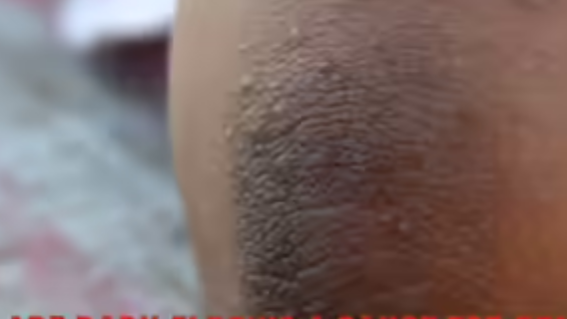
December 15, 2025 (Navroze Bureau) : Darkened elbows are a common concern for many people and often become more noticeable during warmer months when skin is exposed. While most cases are harmless and cosmetic, experts say that persistent or worsening darkening can sometimes signal underlying health or lifestyle issues that should not be ignored.
Dermatologists explain that the skin on the elbows is naturally thicker and drier than other parts of the body. Because elbows are frequently bent, rubbed, and exposed to pressure, they are more prone to pigmentation changes over time.
Common Causes of Darkened Elbows
1. Friction and Pressure
One of the most common reasons for dark elbows is constant friction. Resting elbows on desks, leaning on hard surfaces, or repetitive movements can cause the skin to thicken and darken as a protective response.
2. Dry Skin and Dead Cell Build-Up
Elbows have fewer oil glands, making them susceptible to dryness. When dead skin cells accumulate and are not exfoliated regularly, the area can appear darker and rougher.
3. Sun Exposure
Frequent sun exposure without protection can increase melanin production in exposed areas, including elbows, leading to pigmentation.
4. Poor Skincare Habits
Neglecting moisturisation, irregular cleansing, or harsh soaps can worsen skin dryness and darkening.
When Dark Elbows May Indicate a Health Issue
While most cases are cosmetic, doctors caution that sudden, severe, or spreading darkening may warrant attention.
Insulin Resistance and Diabetes
Dark, velvety skin around elbows, neck, or underarms could be a sign of acanthosis nigricans, often associated with insulin resistance and type 2 diabetes.
Vitamin Deficiencies
Deficiencies in vitamin B12, vitamin E, or iron may cause skin pigmentation changes along with fatigue, weakness, or tingling sensations.
Hormonal Imbalances
Conditions affecting thyroid or adrenal glands may sometimes cause skin darkening along with weight changes, hair loss, or irregular cycles.
Skin Conditions
Eczema, psoriasis, or allergic reactions can lead to inflammation and post-inflammatory hyperpigmentation around the elbows.
How to Tell If It’s a Concern
Dermatologists suggest monitoring for warning signs such as:
- Rapid darkening without an obvious cause
- Itching, thickening, or a velvety texture
- Pigmentation spreading to neck, knees, or underarms
- Accompanying symptoms like fatigue or weight changes
If these signs are present, medical evaluation may be advised.
How to Care for Darkened Elbows
For most people, simple skincare improvements can make a visible difference.
Gentle Exfoliation
Use mild exfoliation once or twice a week to remove dead skin cells. Avoid harsh scrubs that may worsen pigmentation.
Daily Moisturising
Applying a thick moisturiser containing ingredients like urea, lactic acid, or shea butter helps soften thick skin and improve tone.
Sun Protection
Using sunscreen on exposed elbows prevents further darkening caused by UV rays.
Avoid Excessive Pressure
Reducing constant elbow pressure on desks or armrests can prevent skin thickening.
Role of Nutrition and Hydration
Healthy skin reflects internal health. Drinking enough water and eating a balanced diet rich in vitamins and minerals supports skin repair and regeneration. Foods rich in antioxidants, healthy fats, and B vitamins can help improve skin appearance over time.
When to See a Doctor
Medical advice should be sought if:
- Home care does not improve the condition
- Darkening worsens or spreads
- There are symptoms suggesting metabolic or hormonal issues
Early evaluation can help rule out underlying conditions and ensure appropriate treatment.
Conclusion
Darkened elbows are usually not a cause for serious concern and often result from dryness, friction, or sun exposure. However, persistent or unusual changes may sometimes reflect underlying health issues. Paying attention to skincare, lifestyle habits, and overall health can help maintain healthy, even-toned skin and provide early warning signs when medical attention is needed.
Summary
Darkened elbows are usually harmless and caused by dryness or friction, but sudden or severe pigmentation may signal vitamin deficiency, insulin resistance, or skin conditions requiring medical attention.