

18 September 2026 (Navroze Bureau) : Tamil Nadu has recorded 16,334 dengue cases and nine deaths between January 1 and September 16, 2026, as the state enters a period when monsoon conditions can support increased mosquito breeding. However, health officials say the current spread is not unusual or at an alarming level compared with previous years.
Cases Higher Than Last Year, But Below 2024
The latest figures show a modest increase compared with the corresponding period in 2025, when Tamil Nadu recorded 15,688 dengue cases and 13 deaths.
However, the state had reported a much higher 34,339 cases and 13 deaths during the same January-to-September period in 2024. Health authorities have therefore described the current rise as part of expected seasonal fluctuations rather than an exceptional outbreak.
Monsoon Conditions Favour Mosquito Breeding
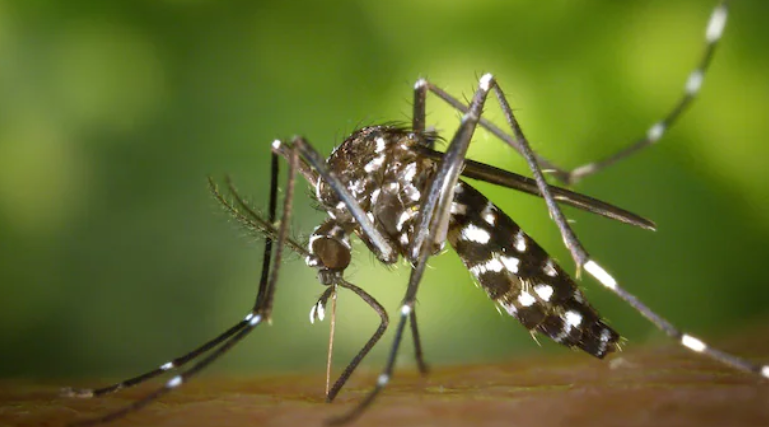
Dengue is transmitted by infected Aedes mosquitoes, which can breed in stagnant water around homes and communities.
Changes in rainfall, humidity and temperature during the monsoon can create more breeding sites. Tamil Nadu officials have particularly warned that October to December can see increased mosquito breeding, making continued surveillance and prevention important.
Chennai Sees Increase in Fever Cases
Chennai has also reported a rise in fever cases in recent weeks.
According to city surveillance data, more than 3,000 fever cases were recorded between September 1 and 16, while about 4,520 fever cases had been reported in August. Around 150 of the recent fever patients were diagnosed with dengue, according to doctors cited in local reports.
Health teams have intensified house-to-house surveillance and efforts to identify and eliminate mosquito-breeding sites.
Authorities Step Up Surveillance
Tamil Nadu’s health department has strengthened fever surveillance and preventive measures across the state.
Special fever and dengue wards are being established in government and government medical college hospitals. District Collectors have also been instructed to coordinate prevention activities, while 45 special nodal officers have been assigned to monitor dengue-related developments across districts.
High-Case Districts Under Focus
Officials have directed intensified preventive work in districts reporting relatively higher numbers of cases, including Chennai, Coimbatore, Cuddalore and Chengalpattu.
Authorities are monitoring daily disease incidence and conducting inspections aimed at identifying mosquito-breeding locations. Hospitals have also been asked to maintain adequate supplies of medicines and other essential resources.
Why Removing Stagnant Water Matters
Dengue prevention depends heavily on controlling mosquito breeding.
Water collected in discarded containers, tyres, flowerpot trays, buckets and other objects can provide breeding sites for Aedes mosquitoes. Regularly emptying such containers and preventing water accumulation can reduce the local mosquito population.
Health authorities are therefore combining surveillance with source-reduction and public-awareness campaigns.
National Surveillance Network in Place
The Centre has also strengthened dengue surveillance across India.
The Union Health Ministry says the country has 887 Sentinel Surveillance Hospitals and 27 Apex Referral Laboratories for dengue surveillance and diagnosis. The government has also supported states with diagnostic kits, technical guidelines, training and integrated vector-management measures.
India Continues to Monitor Dengue
National surveillance data from the National Centre for Vector Borne Diseases Control show that dengue remains an annual public-health concern in several Indian states.
Tamil Nadu’s provisional 2026 figures on the government dashboard stood at 2,873 cases and one death as of the dashboard’s September 16 update, illustrating that different official datasets can have different reporting cut-offs or update schedules.
Vigilance Rather Than Panic
The Tamil Nadu Health Department’s message is that the rise in cases warrants continued vigilance and prevention, but does not currently indicate an unusual or alarming outbreak.
Residents should continue eliminating stagnant water, cooperate with local vector-control teams and seek medical attention for persistent or worsening fever.