

Talwara, October 5:
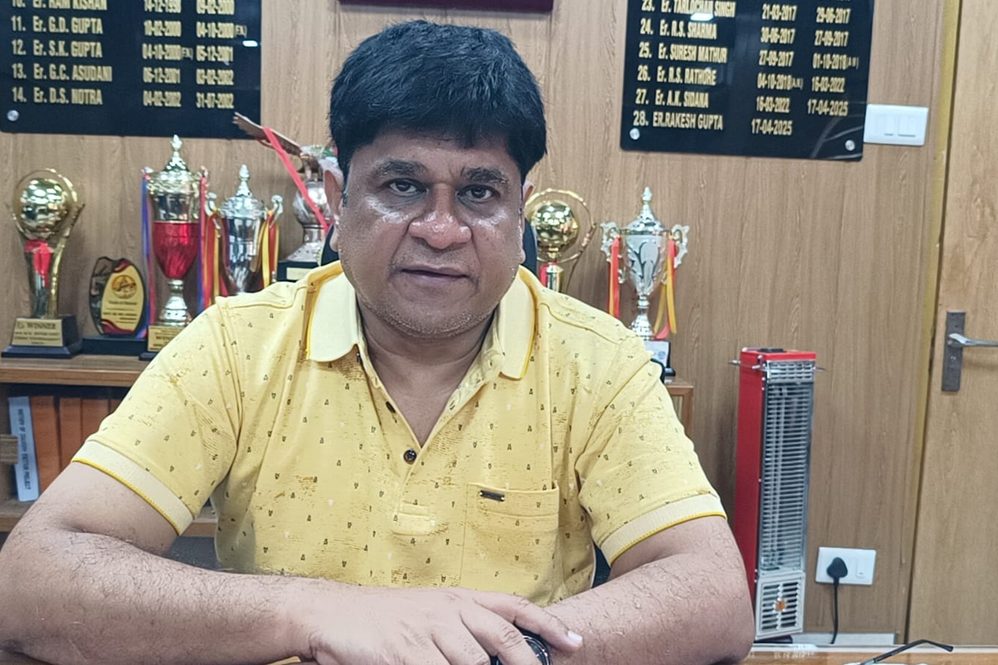
Dr. Gundeep (MD), a pediatrician, has been appointed at the BBMB Hospital, Talwara, and has started providing her services at the hospital. Chief Engineer Rakesh Gupta shared this information and said that the appointment of a pediatrician would provide a major facility to the people of the area.
Meanwhile, under BBMB’s health awareness programme, newly appointed Dr. Gundeep (MD) has issued an advisory for the public on preventing dengue in view of the prevailing weather conditions.
Dr. Gundeep said that dengue is a viral disease primarily transmitted through the bite of infected Aedes mosquitoes. These mosquitoes are generally active during the daytime and can breed in stagnant clean water around homes. After rainfall, places where water accumulates become favourable breeding grounds for mosquitoes.
She said that common symptoms of dengue may include high fever, headache, pain behind the eyes, muscle and joint pain, nausea or vomiting, and skin rashes. Symptoms may appear a few days after a mosquito bite.
Dr. Gundeep particularly cautioned that a reduction in fever should not always be considered a sign of recovery. Warning signs of severe dengue may appear even after the fever subsides. If a patient experiences severe abdominal pain, persistent vomiting, bleeding from the nose or gums, vomiting blood or blood in the stool, extreme weakness, restlessness, or difficulty breathing, immediate medical attention should be sought.
She said that to prevent dengue, stagnant water should not be allowed to accumulate in and around homes. Coolers, flowerpots, water tanks, old tyres, containers and other items that can collect water should be cleaned regularly, and water containers should be kept covered. Mosquito repellents, full-sleeved clothing and, where necessary, mosquito nets can also be used to protect against mosquito bites.
Dr. Gundeep said that patients should take adequate rest, consume sufficient fluids and take medication for fever as advised by a doctor. She made a special appeal to parents to consult a doctor rather than giving medicines on their own if children develop high fever or any of the above symptoms. If required, blood tests and other necessary investigations should be conducted on the advice of a doctor.
In conclusion, Dr. Gundeep said that preventing dengue is not the responsibility of an individual alone, but a collective responsibility of the entire community. If every household prevents water from accumulating in its surroundings and adopts measures to protect against mosquitoes, the spread of dengue can be significantly reduced.