

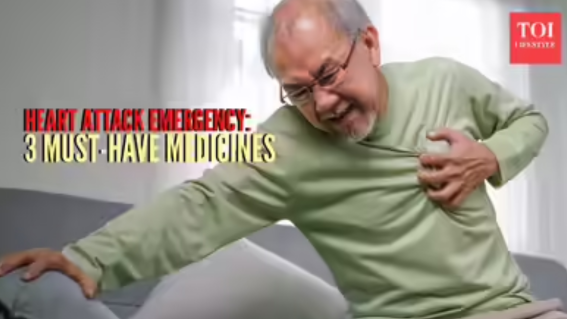
8 December 2025 : A leading cardiology expert has highlighted the importance of rapid medical response during a heart attack, emphasising that the first few minutes are critical in determining how much long-term damage the heart sustains. The physician, speaking during a health awareness programme, explained the types of emergency treatments doctors may use in a clinical setting to protect heart tissue while patients are being transported to or treated at a hospital.
The doctor clarified from the outset that these medicines are strictly administered by trained medical professionals, such as emergency responders, cardiologists, or ER physicians. They are not intended for public use, self-medication, or over-the-counter access. Instead, the objective of the discussion was to raise awareness about why reaching a hospital quickly is vital. When patients arrive within the “golden hour,” which refers to the first 60 minutes after symptom onset, survival chances increase significantly, and long-term heart damage can be reduced.
The Critical Importance of Rapid Action
Heart attacks occur when blood flow to part of the heart is blocked, often due to a clot. Without oxygen-rich blood, heart muscle cells begin to die. The physician explained that emergency medical teams use a combination of diagnostic tools and specific medications to stabilise a patient long enough to reach the hospital catheterisation lab, where procedures like angioplasty can restore blood flow.
As the doctor pointed out, the most dangerous error people make is underestimating early symptoms. Many individuals — especially younger people — assume chest discomfort or breathlessness may be due to acidity, fatigue, or stress. Others delay calling for help because they worry about causing panic or inconvenience. But delays can be deadly. “You don’t get a second chance with the heart,” the physician emphasized. “Every minute matters.”
What Emergency Doctors Typically Do
Without naming specific medicines for public use, the physician explained the general process followed by medical teams. Upon arrival, paramedics assess the patient’s vital signs, record an ECG to detect abnormalities, and use professional judgement to stabilise the patient. If certain warning indicators appear, doctors may administer medications designed to:
- Improve blood flow,
- Prevent clot enlargement,
- Reduce strain on the heart, and
- Protect heart muscle from additional injury.
These treatments are not interchangeable and must be used with extreme caution. Dosages vary based on age, medical history, allergies, blood pressure, kidney function, and ongoing medications. Some drugs can interact dangerously with substances the patient may have taken recently. Others may cause complications if misused. This is why self-medication can be unsafe, and only medical specialists are equipped to determine the appropriate therapy.
The physician also added that the types of medicines used in ambulances today are backed by years of clinical trials and global heart-health guidelines. Emergency responders receive specialised training to administer them correctly, monitor real-time effects, and communicate directly with cardiologists at nearby hospitals.
Recognising Symptoms Early Is the Real Lifesaver
Public health experts consistently stress that knowing the signs of a heart attack is just as important as the treatments that follow. Common symptoms include:
- Sudden or persistent chest pressure, squeezing, or heaviness
- Pain radiating to the arm, shoulder, back, jaw, or neck
- Shortness of breath
- Cold sweats
- Light-headedness
- Unusual fatigue
- Nausea
Symptoms can differ for women, who may experience indigestion-like discomfort, back pain, or overwhelming fatigue rather than dramatic chest pain.
Young adults are increasingly being diagnosed with heart conditions. Sedentary lifestyles, stress, obesity, smoking, diabetes, and untreated cholesterol issues have contributed to this shift. The physician stressed that awareness and prevention among youth is essential.
Why Calling Emergency Services Matters More Than Self-Transport
Another crucial point highlighted was the importance of calling an ambulance instead of driving to the hospital, especially during a suspected heart attack. Emergency vehicles carry specialised equipment, trained staff, and medications that can stabilise the patient before reaching the hospital — advantages that self-transport simply cannot offer.
Moreover, ambulances can prepare hospitals in advance. If paramedics identify a severe blockage, they alert the cardiology team so that the catheterisation lab is ready when the patient arrives. This time-saving coordination significantly boosts survival odds.
The Bigger Picture: Prevention Is Key
While emergency treatments help reduce heart damage, the physician emphasised that prevention remains the best defence. Regular checkups, managing blood pressure, maintaining healthy cholesterol levels, avoiding tobacco, staying physically active, and making dietary improvements can drastically reduce heart attack risk.
The rise of lifestyle-based heart disease among younger populations shows that prevention should start early. Families, schools, and workplaces can all help create healthier environments that encourage activity, mental wellness, and dietary awareness.
Conclusion
The physician’s message was clear: life-saving treatments exist, but they must be given by professionals. The most effective action the public can take is recognising symptoms early, calling emergency services immediately, and prioritising preventive health practices. The difference between severe heart damage and full recovery often comes down to timing — and a single phone call.
Summary
A cardiology expert explains emergency treatments used by doctors during heart attacks to reduce heart damage, stressing that only professionals should administer them. Early symptom recognition and rapid medical help remain crucial.