

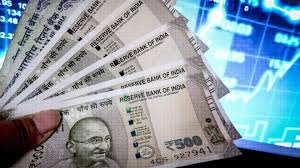
January 29, 2026 (Navroze Bureau) : The Indian rupee plunged to an all-time low of 92 against the U.S. dollar, sending ripples across financial markets and intensifying concerns about inflation, trade deficits, and overall economic stability. This historic depreciation highlights the growing pressure on emerging market currencies as global economic uncertainties, strong dollar demand, and domestic challenges converge.
The immediate trigger behind the rupee’s sharp fall has been the sustained strength of the U.S. dollar in global markets. The dollar index has remained elevated as investors continue to seek safe-haven assets amid geopolitical tensions, slowing global growth, and tighter monetary conditions in advanced economies. Higher interest rates in the United States have made dollar-denominated assets more attractive, leading to capital flows away from emerging markets like India.
Rising crude oil prices have further aggravated the situation. India is one of the world’s largest importers of crude oil, meeting over 80 percent of its energy needs through imports. As oil prices climb, India’s import bill swells, increasing demand for dollars and widening the current account deficit. This structural dependence on imported energy leaves the rupee particularly vulnerable during periods of global commodity price volatility.
Foreign portfolio investor (FPI) outflows have also contributed significantly to the rupee’s weakness. Global risk aversion has prompted investors to reduce exposure to emerging market equities and bonds, resulting in steady capital outflows from India. Although domestic institutional investors have helped stabilize equity markets to some extent, the currency market has not been immune to these pressures.
On the domestic front, inflation concerns remain a key challenge. While headline inflation has shown signs of easing intermittently, food and fuel prices continue to pose risks. A weaker rupee can exacerbate inflation by making imports more expensive, especially fuel, edible oils, fertilizers, and electronic goods. This creates a difficult policy environment for the Reserve Bank of India (RBI), which must balance inflation control with the need to support economic growth.
The RBI has reportedly stepped in to manage excessive volatility in the foreign exchange market. Rather than targeting a specific exchange rate, the central bank’s approach has focused on preventing sharp and disorderly movements. By selling dollars from its foreign exchange reserves, the RBI aims to smooth fluctuations and maintain market confidence. However, persistent global pressures have limited the effectiveness of such interventions.
The impact of the rupee’s fall is mixed across sectors. Export-oriented industries such as information technology, pharmaceuticals, textiles, and engineering goods stand to benefit, as their foreign earnings translate into higher rupee revenues. This could provide some relief to exporters facing subdued global demand. On the other hand, import-dependent sectors—including aviation, oil marketing companies, electronics, and capital goods manufacturers—are likely to see rising costs and margin pressures.
For ordinary consumers, the depreciation of the rupee could mean higher prices for fuel, imported food items, and consumer electronics. Increased transportation and logistics costs may also feed into broader inflation, affecting daily household expenses. If sustained, these pressures could reduce purchasing power and slow consumption growth.
From a macroeconomic perspective, a sharply weaker rupee raises concerns about external debt servicing. Indian companies with significant dollar-denominated borrowings may face higher repayment costs, impacting balance sheets and profitability. While India’s overall external debt remains manageable, currency volatility adds an extra layer of risk for corporates and policymakers alike.
The government has acknowledged the challenges posed by global headwinds but maintains that India’s economic fundamentals remain strong. Robust GDP growth prospects, a relatively stable banking system, and ongoing structural reforms are seen as buffers against prolonged instability. Efforts to boost exports, attract foreign direct investment, and diversify energy sources are expected to play a crucial role in supporting the rupee over the long term.
Economists remain divided on the near-term outlook. Some believe the rupee could stabilize if global conditions improve, oil prices soften, and capital flows return to emerging markets. Others warn that prolonged high U.S. interest rates and continued geopolitical uncertainty could keep the rupee under pressure for an extended period.
The rupee’s slide to 92 against the U.S. dollar marks a critical moment for India’s economy. While currency depreciation is not inherently negative and can enhance export competitiveness, excessive volatility poses risks to inflation, investor confidence, and financial stability. How policymakers navigate these challenges in the coming months will be key to restoring confidence and ensuring sustainable economic growth.
Summary:
The Indian rupee hit a historic low of 92 against the U.S. dollar due to strong global dollar demand, rising oil prices, and capital outflows, raising inflation and economic stability concerns.