

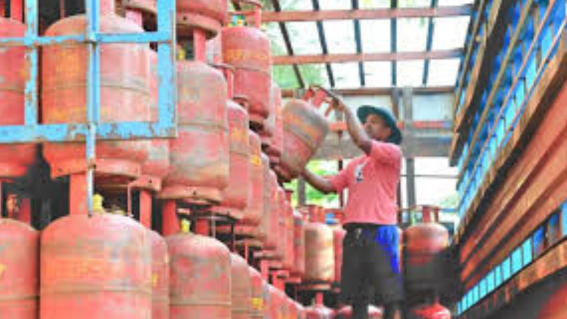
11 March 2026 (Navroze Bureau) : Hotels, restaurants, and food businesses are facing growing concerns over a possible shortage of commercial cooking gas, a situation that could disrupt operations across the hospitality sector. Industry leaders warn that if the supply of Liquefied Petroleum Gas (LPG) continues to decline, many food establishments may struggle to operate and could even face temporary closure.
Commercial LPG is the primary fuel used in most restaurants, hotels, street food stalls, and catering services for cooking. Unlike households, which receive subsidized domestic gas cylinders, commercial establishments depend on a separate supply chain that is often more sensitive to market fluctuations and distribution issues.
Food industry associations say that several regions have already started experiencing delays in the delivery of commercial LPG cylinders. Some restaurant owners claim they have been forced to reduce cooking hours or limit menu options due to uncertainty about gas availability.
Hotel operators warn that the hospitality sector is highly dependent on consistent fuel supply. Large kitchens serving hundreds of customers daily require multiple cylinders every day. Even a short interruption can disrupt food preparation, delay services, and affect customer satisfaction.
Small eateries and street vendors are particularly vulnerable to such shortages. Unlike large hotel chains, small businesses usually have limited storage capacity and rely on frequent cylinder deliveries. If supply interruptions persist, these establishments may be forced to shut down temporarily.
Industry representatives say the potential gas shortage could also have wider economic consequences. The hospitality and food service sector employs millions of workers, including chefs, kitchen staff, delivery workers, and service personnel. Any disruption in operations could affect their income and job security.
Experts suggest that the shortage may be linked to rising energy demand and logistical challenges in the supply chain. Increased industrial consumption, transportation delays, and fluctuations in global fuel markets can sometimes affect domestic LPG availability.
Some restaurant associations have urged authorities to ensure uninterrupted supply for commercial users. They argue that the food service industry plays a crucial role in urban economies and tourism, making it essential to maintain stable fuel distribution.
There are also growing calls for long-term solutions to reduce dependence on LPG. Some businesses are considering switching to pipeline natural gas or electric cooking systems. However, such transitions require infrastructure upgrades and investments that many small businesses cannot immediately afford.
Consumers could also feel the impact if the shortage worsens. Reduced restaurant operations might lead to higher food prices, longer waiting times, and limited menu availability.
For now, hotel and restaurant owners remain hopeful that authorities and gas distribution companies will take steps to stabilize supply and prevent major disruptions in the food sector.
Summary :
Hotels and restaurants may face closures as commercial LPG shortages threaten the food industry. Business owners warn that disrupted gas supply could impact operations, jobs, and food services if the situation continues.