

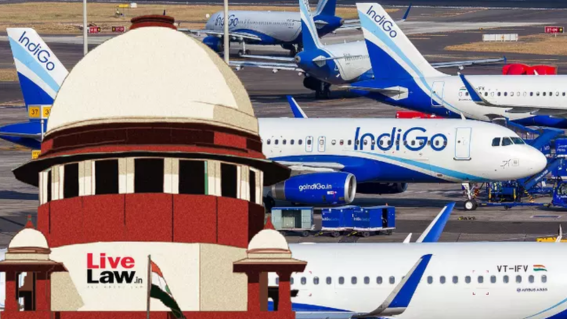
8 December 2025 : The ongoing IndiGo Airlines crisis, triggered by large-scale disruptions, flight cancellations, and widespread passenger inconvenience, took a new turn as the Supreme Court of India refused to urgently list a plea seeking immediate intervention. The court observed that the Central Government has already taken cognisance of the issue and that timely steps appear to have been initiated, signaling that judicial intervention may not be required at this stage.
Background of the Crisis
IndiGo, India’s largest airline, has recently been grappling with operational challenges—ranging from technical issues to crew shortages, and reportedly roster-related disputes, which have led to hundreds of flights being delayed or cancelled across major airports in the country. The situation has resulted in overcrowded terminals, frustrated passengers, and calls for regulatory scrutiny.
The matter gained further attention when a public interest litigation (PIL) was filed, urging the Supreme Court to take up the issue on an urgent basis, citing passenger safety and “significant public inconvenience.”
Supreme Court’s Response
A Supreme Court bench, upon reviewing the plea, categorically stated that the situation did not warrant urgent judicial intervention. The bench emphasized that the government and aviation authorities are already addressing the matter, and interfering at this moment might be premature.
The court stated:
“The Government of India has taken cognisance of the situation. Timely action appears to have been taken. There is no need for urgent listing of this petition.”
This remark reflects the court’s stance that the executive branch is the appropriate authority to handle operational crises within the aviation sector, and the judiciary should step in only when administrative mechanisms fail or public safety is severely compromised.
Government and DGCA Actions So Far
Following the crisis, the Ministry of Civil Aviation (MoCA) and the Directorate General of Civil Aviation (DGCA) initiated reviews and sought detailed reports from IndiGo regarding flight cancellations, staff shortages, and operational breakdowns.
Key measures taken include:
- Seeking a complete status report on flight disruptions
- Checking for possible violations of passenger rights under DGCA rules
- Monitoring crew roster systems after reported scheduling disputes
- Ensuring adequate passenger compensation and refunds
- Reviewing the airline’s contingency planning and crisis communication
Sources indicate that the government is keeping close watch to ensure that the crisis does not escalate further, especially amid peak travel season pressures.
Impact on Passengers
In the past week, thousands of passengers across metros such as Delhi, Mumbai, Hyderabad, and Bengaluru have experienced severe delays, missed connections, and overnight wait times. This led to complaints of mismanagement and inadequate communication from the airline.
Travelers reported:
- Delayed or lost luggage
- Last-minute flight cancellations
- Inadequate ground staff support
- Confusing rebooking procedures
Passenger rights groups urged the aviation regulator to enforce compensation guidelines and ensure stricter compliance by airlines.
Industry Experts Weigh In
Aviation analysts suggest that IndiGo’s crisis may be rooted in a mix of crew fatigue, new scheduling norms, and post-pandemic workforce realignment. The airline continues to operate the largest fleet in India, and any operational hiccup has a cascading nationwide impact.
Experts note that while the government’s intervention is timely, the airline must invest in:
- Stronger staffing frameworks
- Improved crew management
- Better crisis communication with passengers
- Upgraded operational forecasting systems
They add that the Supreme Court’s decision reinforces that such cases fall primarily within the domain of the regulator.
IndiGo’s Official Reaction
Although IndiGo has not issued a detailed press statement regarding the court’s observation, it has acknowledged “operational challenges” and assured passengers that the airline is “working tirelessly to restore full normalcy.”
The carrier maintains that the disruptions are temporary and that its teams are coordinating with regulators to stabilize operations.
What Happens Next?
With the Supreme Court declining immediate intervention, the responsibility now lies with:
- MoCA
- DGCA
- IndiGo’s internal operations team
Authorities are expected to continue oversight until the situation normalizes completely. If disruptions persist or escalate, further regulatory action may be considered.
For now, the court’s decision indicates confidence in the government’s ability to manage the crisis effectively.
Summary
The Supreme Court refused urgent hearing on the IndiGo crisis, stating the government has already taken timely action. With DGCA oversight ongoing, IndiGo works to stabilize operations amid widespread disruptions.