

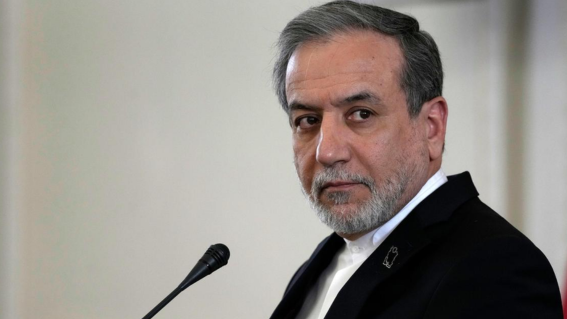
16 February 2026 (Navroze Bureau) : Iran’s Foreign Minister Abbas Araghchi arrived in Geneva to participate in the second round of indirect talks with the United States, signaling a renewed diplomatic effort to address long-standing disputes centered on Iran’s nuclear programme and sanctions.
Background to the Talks
The Geneva discussions follow an earlier round held earlier this month in Muscat, where both sides agreed to continue dialogue despite deep differences. The talks are being conducted indirectly, with messages exchanged through mediators rather than direct face-to-face meetings, reflecting the sensitive nature of U.S.–Iran relations.
Officials familiar with the process say the primary focus remains on nuclear-related issues, including uranium enrichment levels, verification mechanisms, and the potential easing of economic sanctions imposed on Iran.
Role of Mediation
The negotiations are being facilitated with the support of Oman, which has historically played a quiet but crucial role in backchannel diplomacy between Tehran and Washington. Omani mediators are expected to shuttle between delegations to bridge gaps on technical and political questions.
Diplomatic sources say Switzerland is also providing logistical and diplomatic support, given Geneva’s long-standing role as a neutral venue for international negotiations.
Iran’s Position
Iranian officials have reiterated that Tehran is seeking what it describes as a “fair and equitable agreement”, one that respects Iran’s right to peaceful nuclear technology while delivering tangible economic relief. Iran maintains that its nuclear activities are strictly civilian, rejecting allegations that it is pursuing nuclear weapons.
Foreign Minister Araghchi has emphasized that confidence-building measures must be mutual, arguing that past agreements failed largely due to what Iran views as unilateral withdrawals and sanctions pressure.
U.S. Stance
The United States, for its part, has stressed the need for verifiable limits on Iran’s nuclear programme to ensure it cannot be used for military purposes. American officials have also signaled that any sanctions relief would be gradual and tied to Iran’s compliance with agreed commitments.
While expectations for a major breakthrough remain cautious, diplomats say Washington sees value in keeping dialogue open to prevent further escalation in an already volatile region.
Meetings on the Sidelines
During his stay in Geneva, Araghchi is also expected to hold consultations with international officials, including representatives linked to nuclear oversight and regional diplomacy. These side meetings are seen as important for aligning technical understanding ahead of any potential agreement.
Such engagements underscore the broader international interest in preventing nuclear proliferation and maintaining stability in the Middle East.
Regional and Global Implications
The resumption of talks comes amid heightened tensions across the Middle East, including concerns over energy security, regional conflicts, and shifting alliances. Analysts note that progress in U.S.–Iran talks could ease some regional pressures, while failure could deepen mistrust and uncertainty.
Global markets and diplomatic circles are watching closely, as outcomes could influence oil prices, regional security dynamics, and broader international relations.
What Comes Next
Officials caution that the Geneva round is part of a longer process rather than a decisive moment. Any agreement would likely require multiple rounds of negotiation, detailed technical work, and political approval in both countries.
Still, the fact that talks are continuing is seen by observers as a positive sign, suggesting that neither side is ready to abandon diplomacy entirely.
Conclusion
Iran’s foreign minister’s presence in Geneva for a second round of U.S. talks marks a cautious but important step in renewed diplomatic engagement. While significant differences remain, continued dialogue offers a pathway—however narrow—toward managing tensions and exploring possible compromise.
Summary
Iran’s foreign minister has arrived in Geneva for a second round of indirect talks with the United States, focusing on nuclear issues and sanctions, with mediation aimed at easing long-standing tensions.