

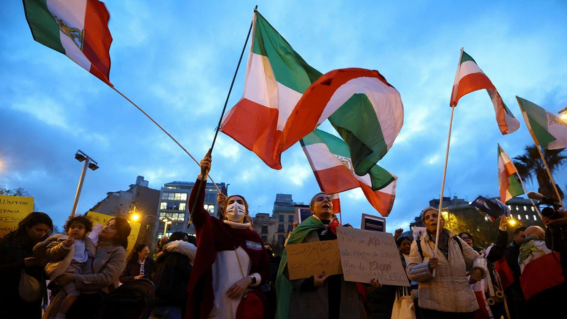
14 January 2026: Tensions in Iran have escalated further as the country’s judiciary has signaled that detained protesters may face fast-tracked trials and possible executions, despite international concern and a public warning from former U.S. President Donald Trump. The announcement has sparked global alarm over human rights and due process amid one of the most intense periods of unrest the nation has seen in recent years.
Judicial authorities emphasized that individuals arrested during ongoing protests would be dealt with “swiftly and decisively,” especially those accused of disrupting public order or engaging in violence. The message, broadcast through state media, suggests a deliberate effort to use strict punishment as a deterrent against further demonstrations.
A Message of Zero Tolerance
Iran’s judiciary leadership has publicly stated that delays in legal proceedings will no longer be tolerated when it comes to protest-related cases. Officials argue that rapid justice is necessary to preserve national stability. However, critics warn that such speed often comes at the cost of fair trials, legal representation, and transparency.
Human rights advocates fear that accelerated court processes could lead to convictions without adequate evidence or defense. Revolutionary courts in Iran, which frequently handle politically sensitive cases, have long been criticized for operating behind closed doors and issuing harsh sentences.
The judiciary’s latest stance indicates that authorities are prepared to intensify their crackdown rather than seek compromise.
Trump’s Warning and Global Attention
Donald Trump has publicly warned Iranian leadership against executing detained protesters, stating that severe consequences could follow if such actions occur. While Iranian officials have not directly responded to the warning, the judiciary’s statements suggest that external pressure is unlikely to influence domestic decisions.
The exchange has added an international dimension to what began as internal unrest. Analysts say this growing diplomatic tension could further isolate Iran at a time when it is already facing economic and political challenges.
Despite the warning, Iran’s leadership appears determined to assert control and demonstrate that it will not yield to foreign influence.
Rising Fear Among Protesters and Families
Across the country, fear is spreading among families of those detained. Many are uncertain about the whereabouts or conditions of their loved ones, and legal access remains limited. Reports from inside Iran indicate that thousands have been arrested in recent weeks, including students, activists, and ordinary citizens who participated in demonstrations.
Families are reportedly anxious that rapid trials could lead to severe punishments, including death sentences. This fear has intensified public anger and deepened mistrust toward the judicial system.
Activists argue that the threat of execution is being used as a psychological weapon to silence dissent rather than as a genuine legal measure.
Protests Driven by Deeper Frustrations
The protests themselves are rooted in a combination of economic hardship, political frustration, and demands for greater freedoms. Many Iranians, particularly young people, have expressed dissatisfaction with unemployment, inflation, corruption, and restrictions on personal liberties.
Over time, demonstrations have evolved from isolated incidents into a broader movement questioning governance and accountability. While authorities have described the protests as unrest fueled by external influence, protesters insist their demands are driven by real domestic issues.
The judiciary’s hardline approach may succeed in suppressing protests in the short term, but analysts warn it risks deepening long-term instability.
Human Rights Concerns Grow
Human rights organizations have expressed serious concern over Iran’s handling of detained protesters. Fast trials, especially in politically sensitive cases, are widely viewed as incompatible with international standards of justice.
Observers warn that executions following rushed legal processes could lead to irreversible human rights violations. The lack of transparency, limited access to independent lawyers, and reports of coerced confessions further fuel these concerns.
Global pressure is mounting for Iran to halt any executions and allow independent monitoring of detention conditions and court proceedings.
Information Blackouts Complicate the Situation
Compounding the crisis is the government’s continued restriction on internet access in several regions. Communication disruptions have made it difficult to verify information, contact detainees, or share developments with the outside world.
These blackouts have drawn criticism, as they limit freedom of expression and prevent accurate reporting. Despite these restrictions, citizens continue to find ways to document events and share their experiences, reflecting the resilience of the protest movement.
A Nation at a Crossroads
Iran now stands at a critical moment. The judiciary’s aggressive stance suggests a path of intensified repression, while public frustration shows little sign of disappearing. The risk of further violence, both from authorities and desperate protesters, remains high.
Some political analysts argue that long-term stability can only be achieved through dialogue and reform rather than punishment. However, current signals from leadership indicate a preference for control through force rather than compromise.
Conclusion
The judiciary’s decision to pursue fast trials and potential executions marks a significant escalation in Iran’s response to protests. Despite international warnings, including from Donald Trump, authorities appear resolute in their approach. As fear grows among detainees’ families and global concern intensifies, the situation remains volatile and uncertain, with profound implications for Iran’s future.
Summary
Iran’s judiciary has signaled fast trials and possible executions for detained protesters despite international warnings. The move has intensified fear, drawn global criticism, and deepened concerns over human rights and due process.